Foreign visits
Working visit of the President Vahagn Khachaturyan to Turkmenistan
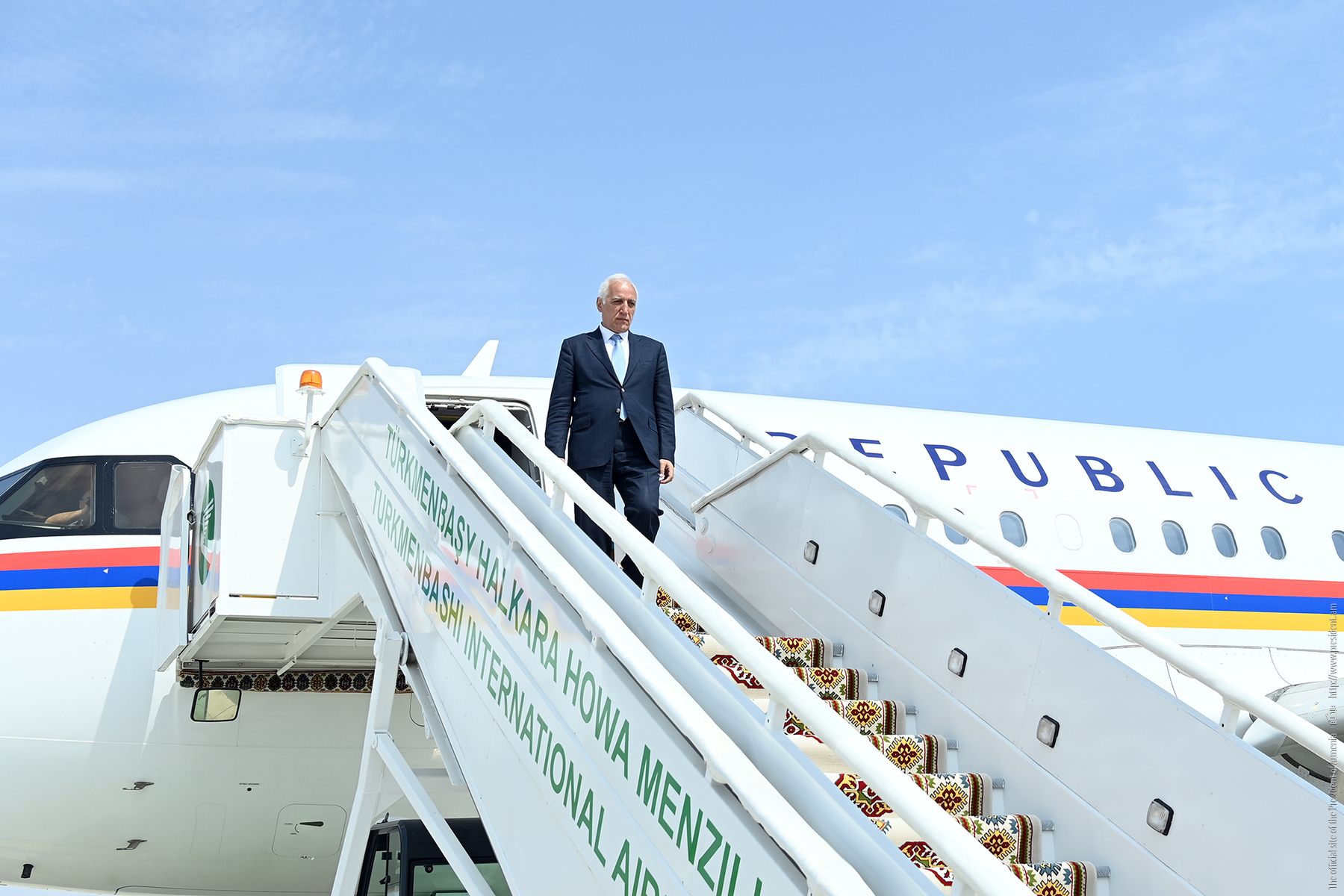
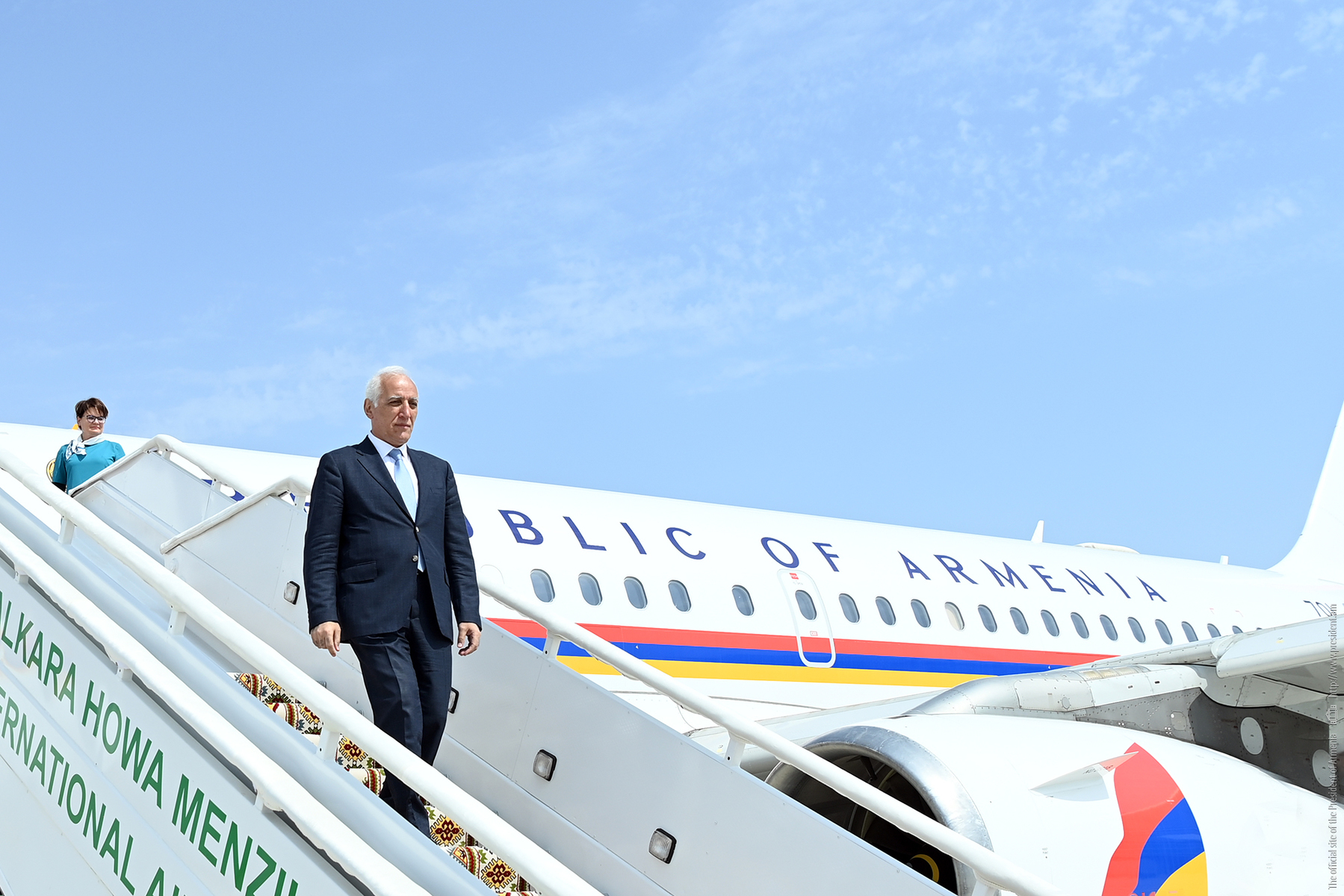
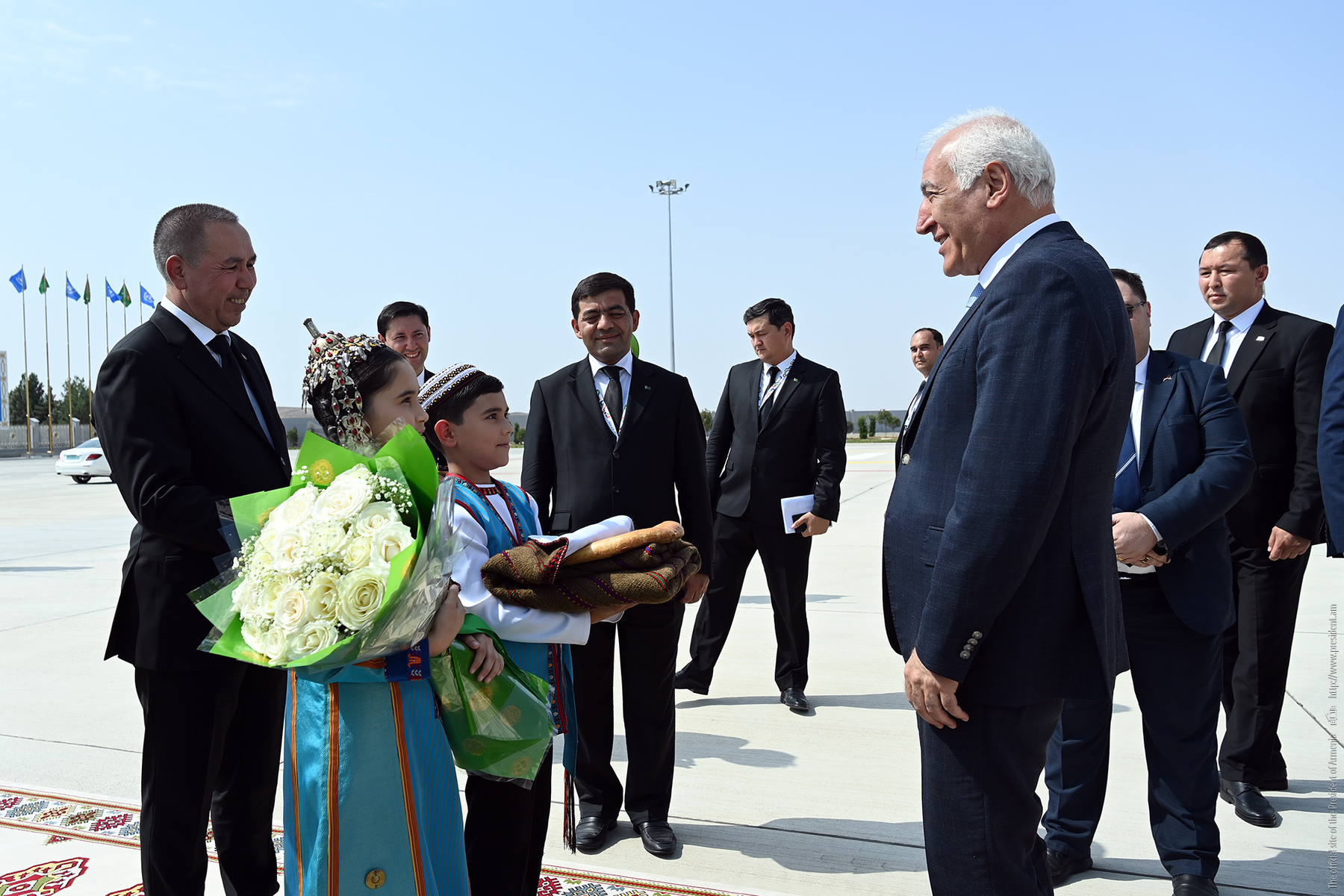
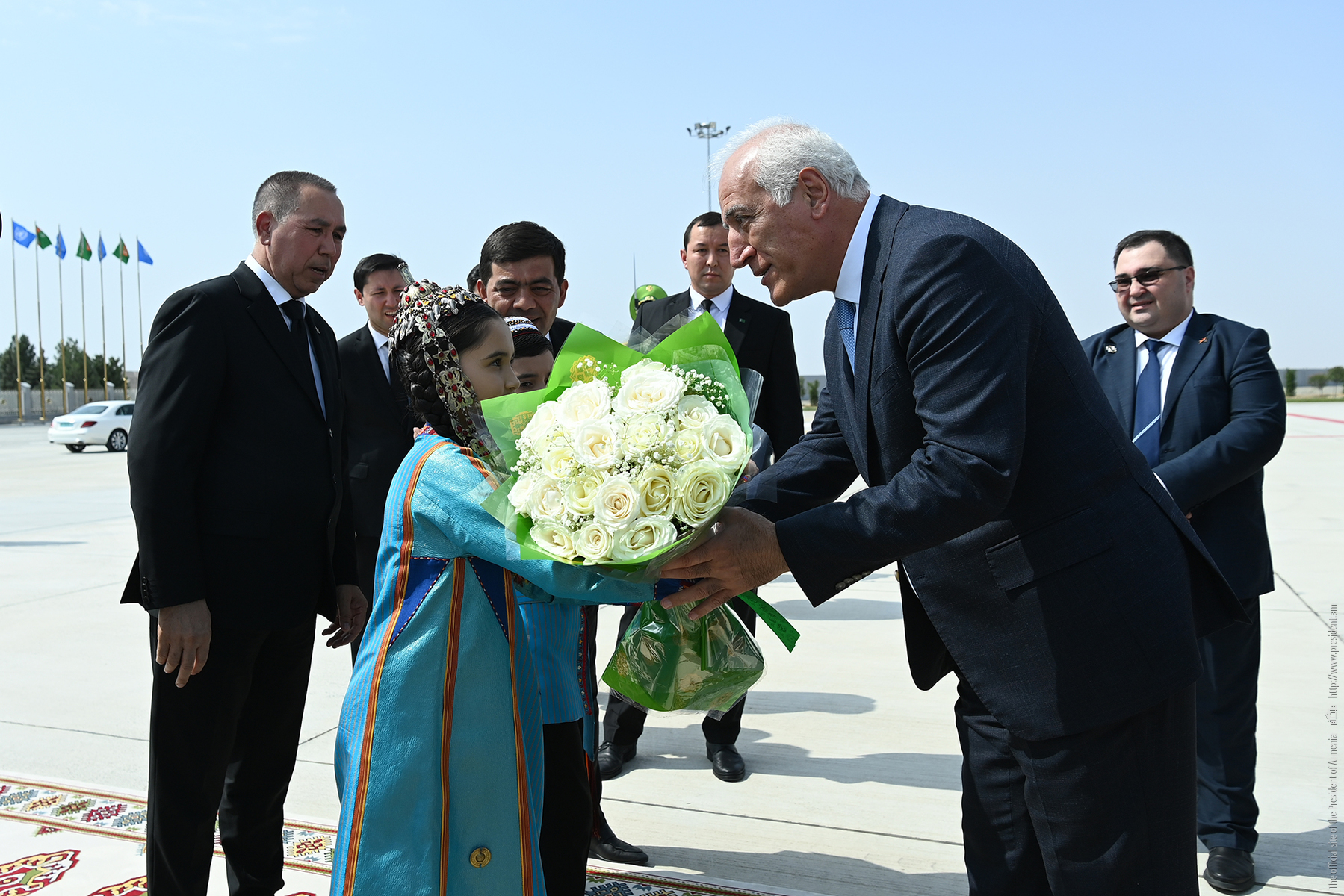
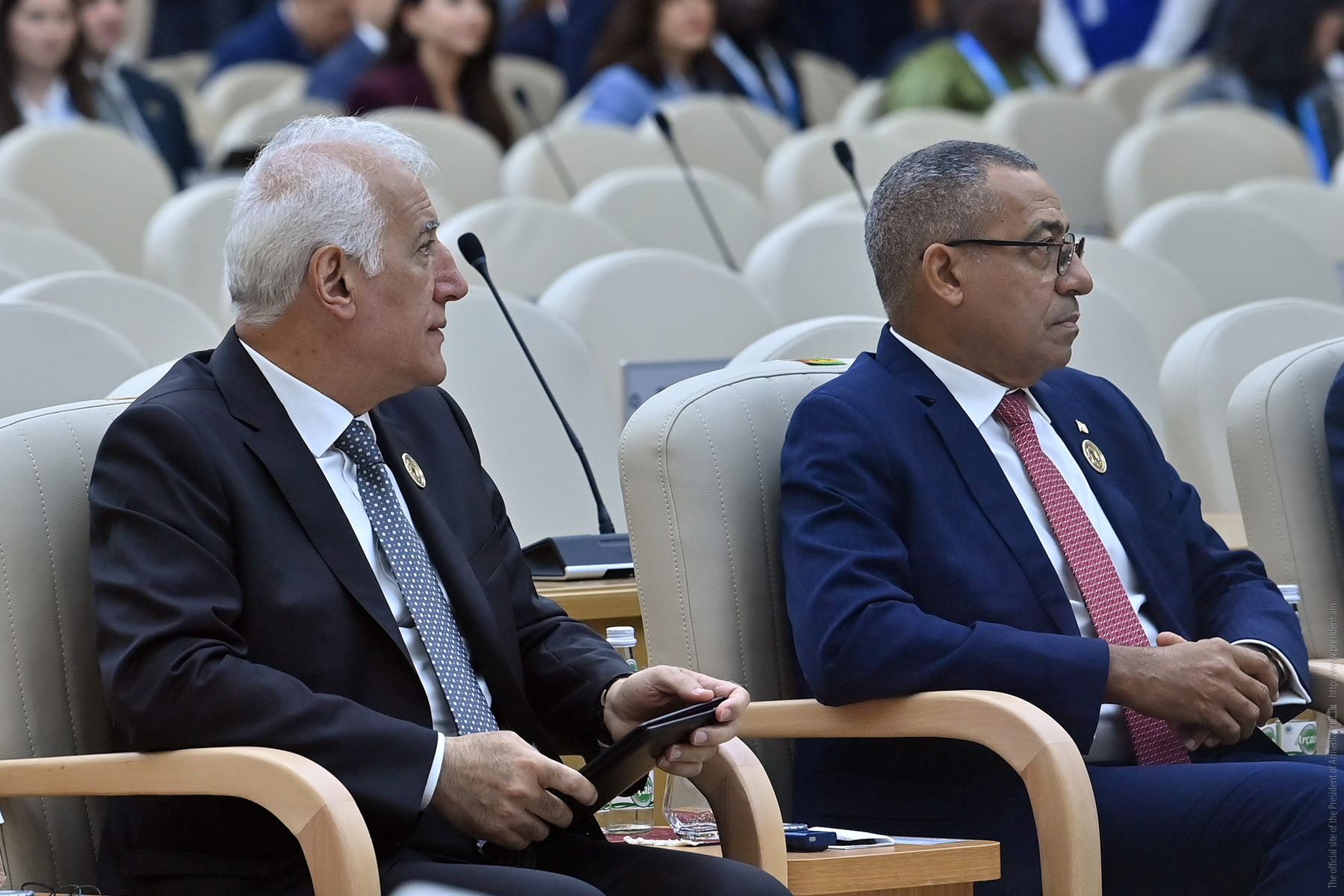
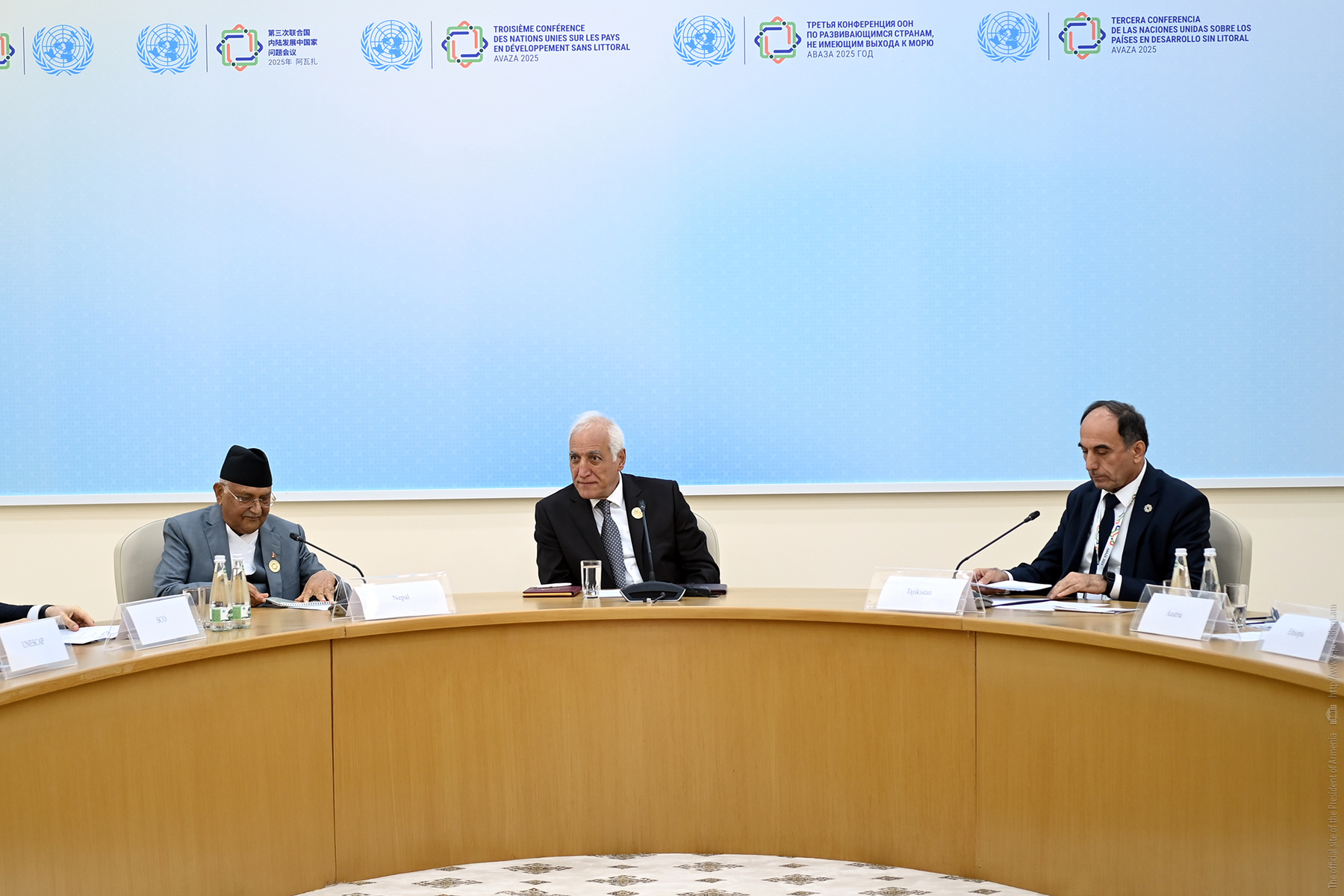
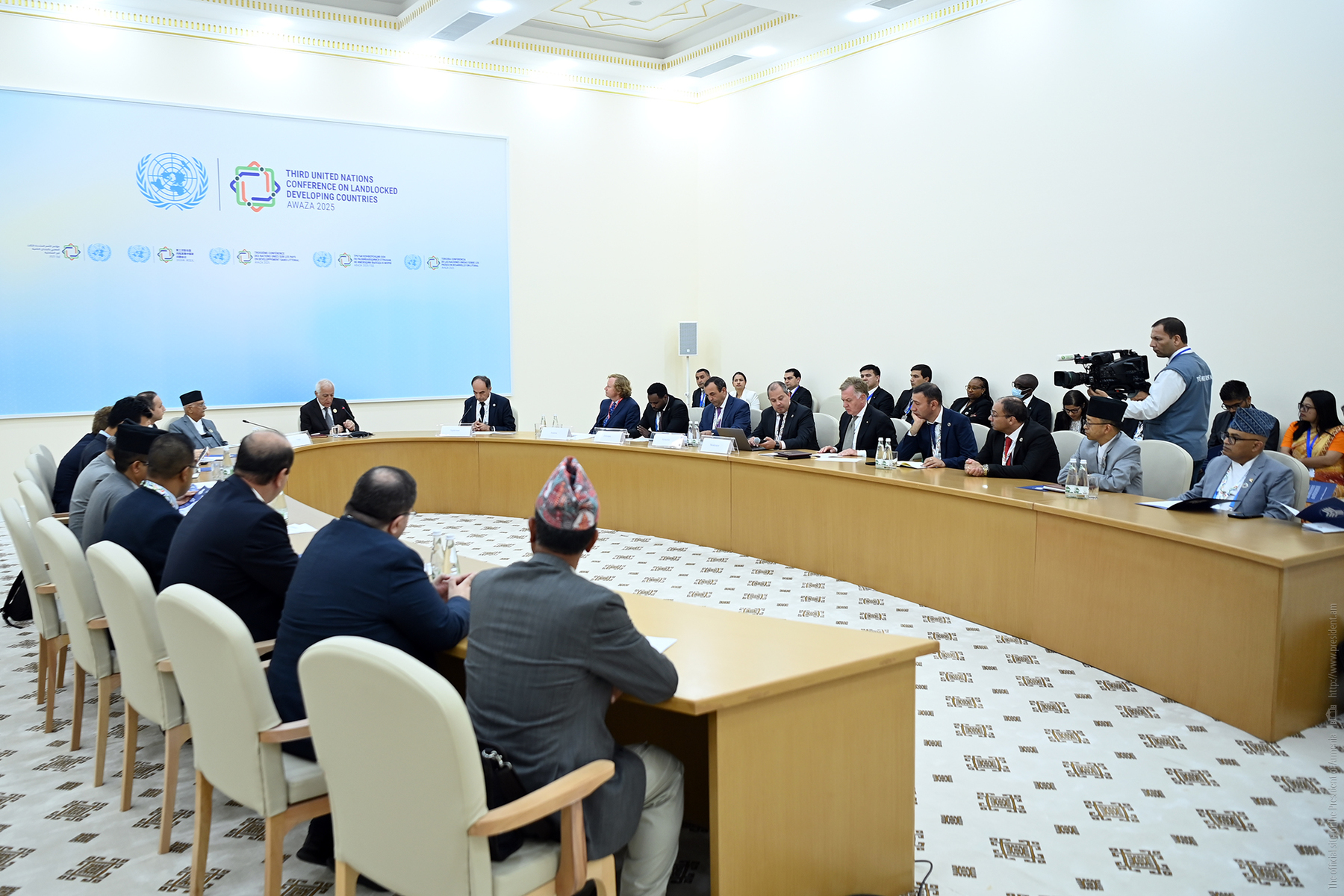
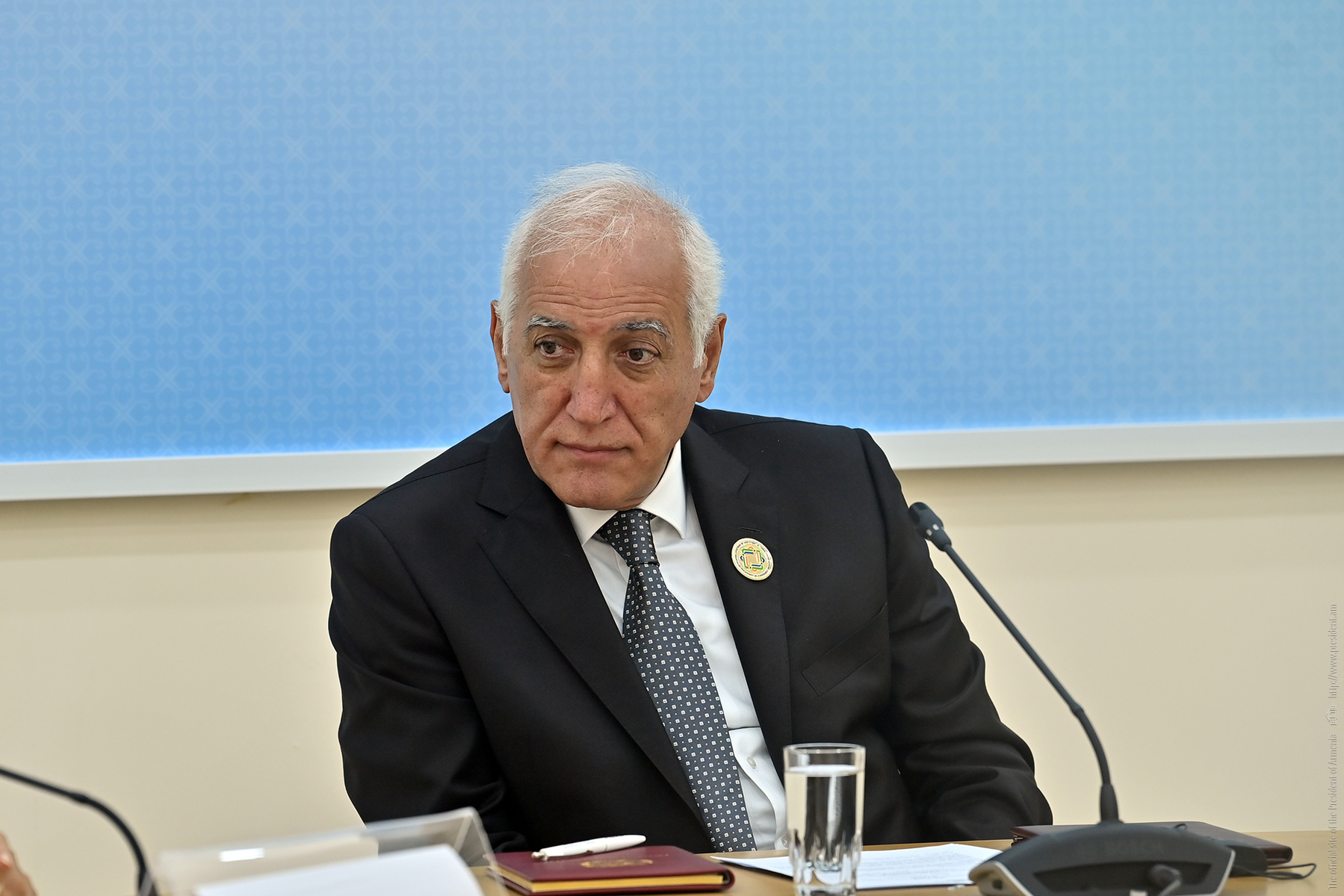
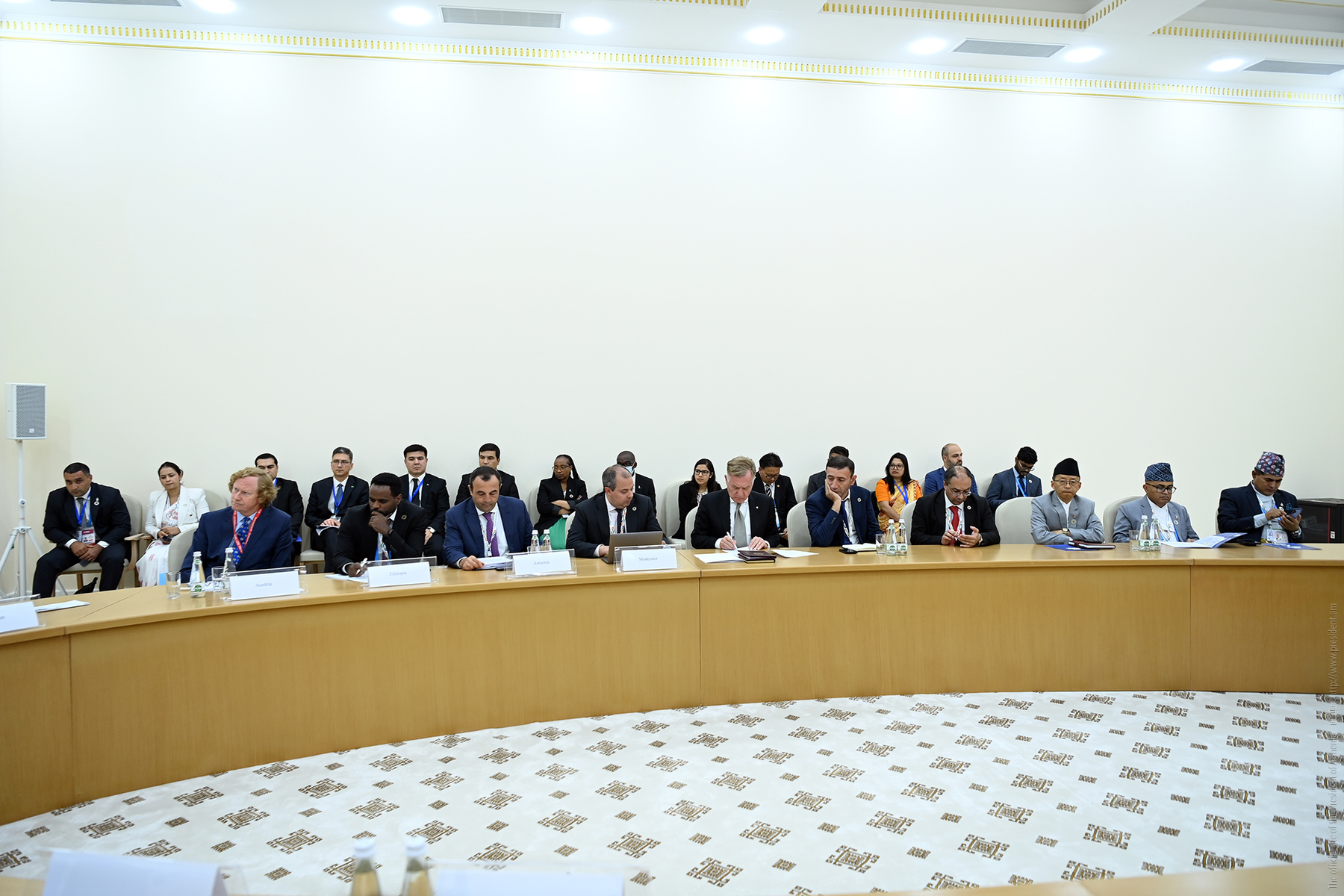
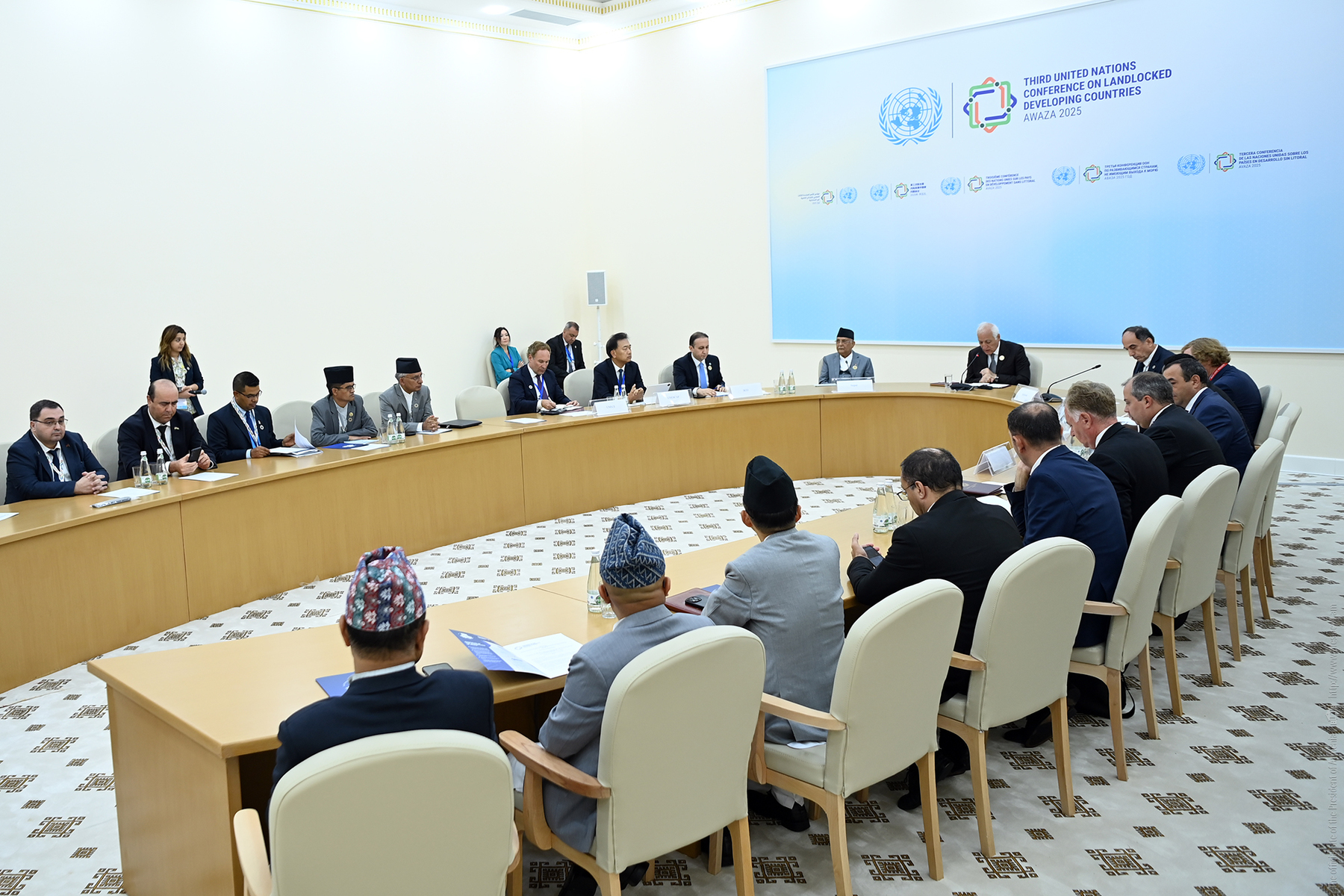
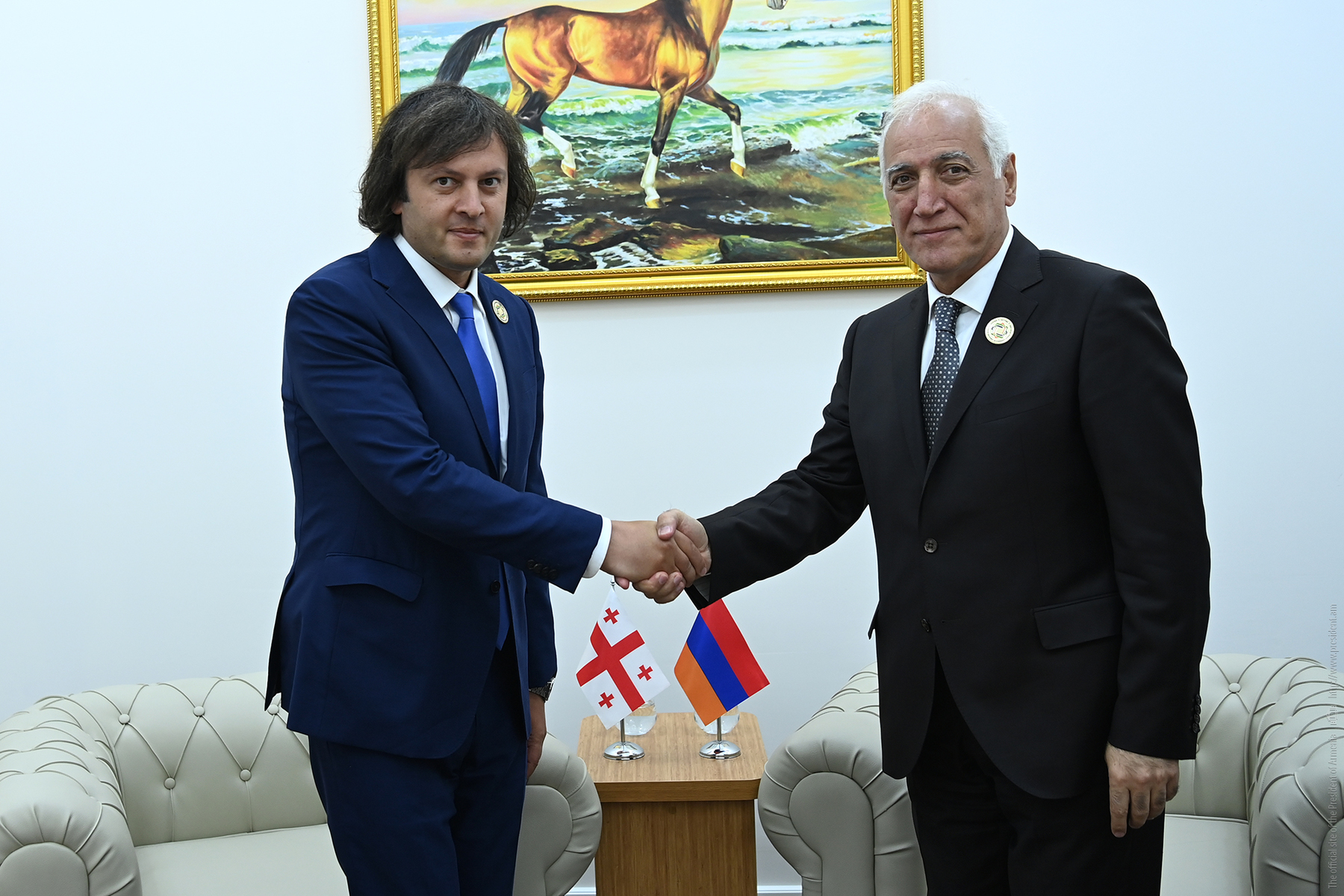
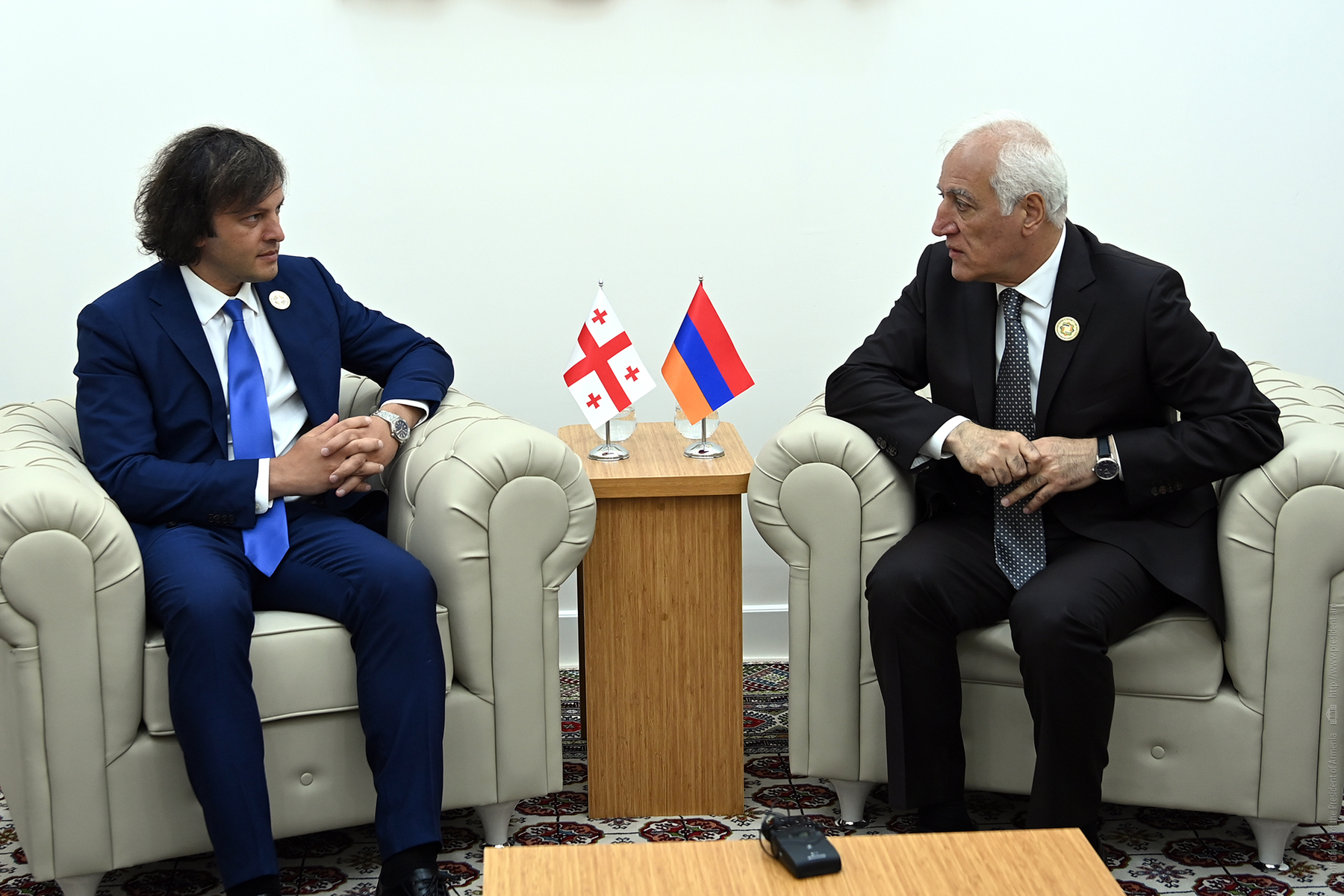
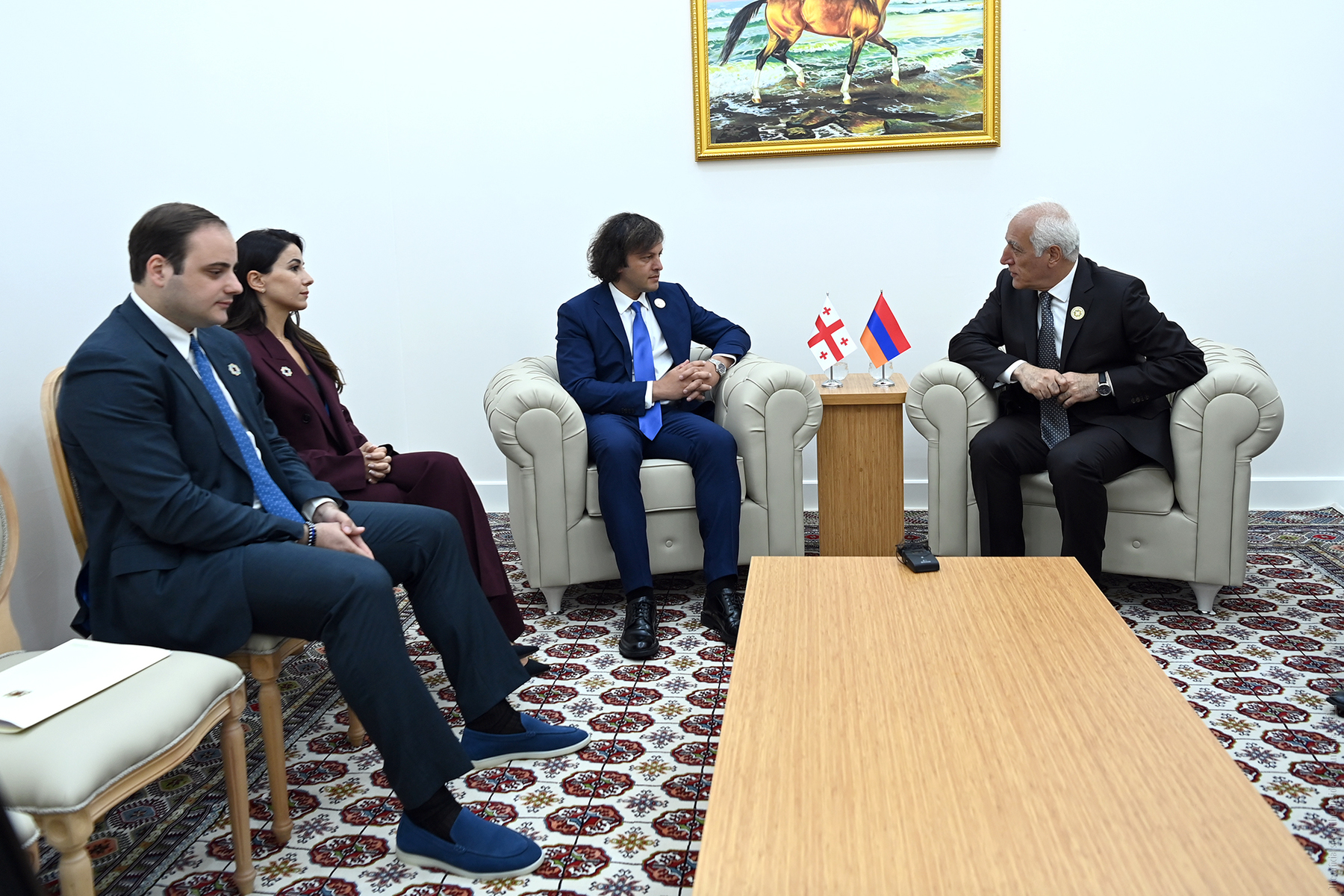
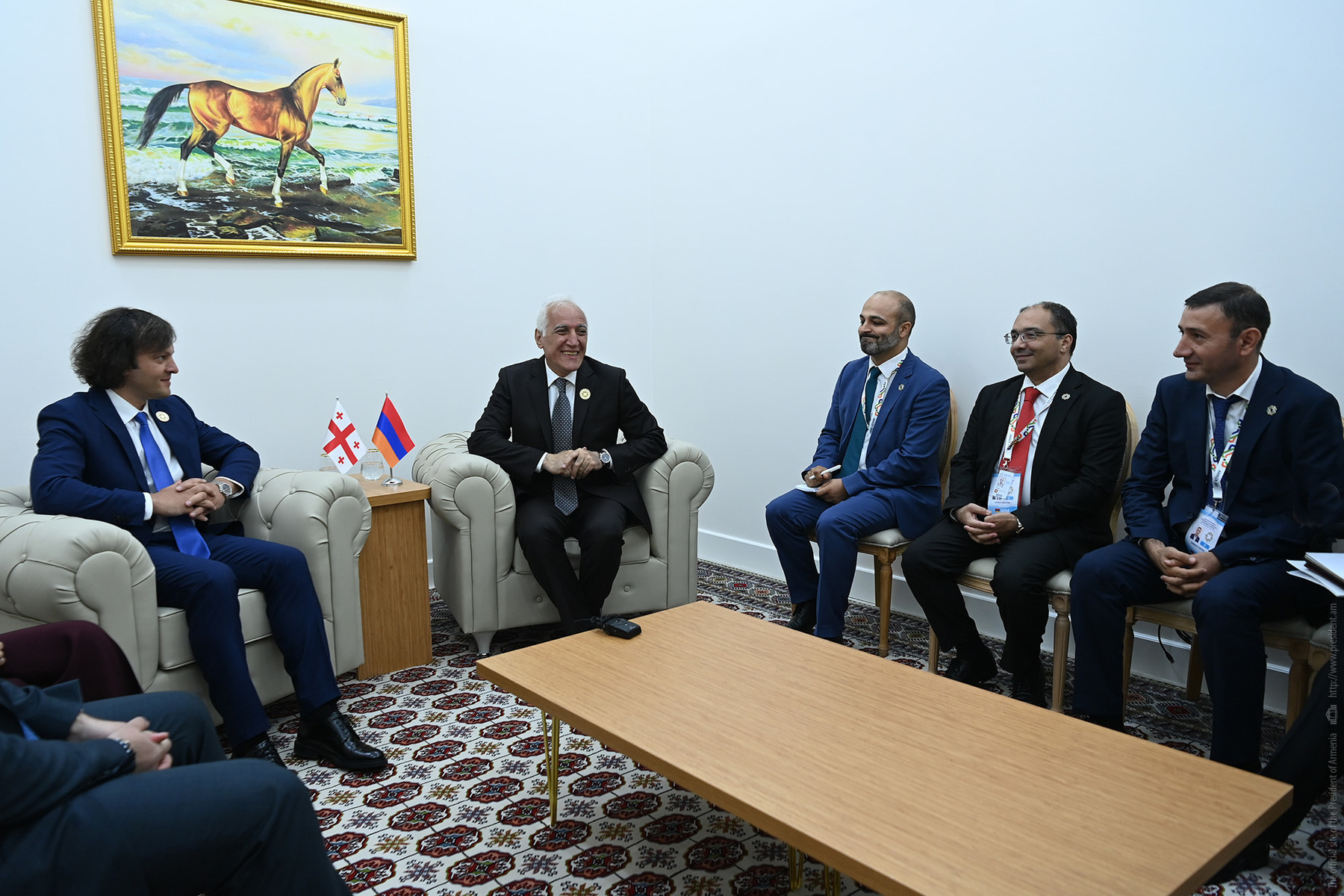
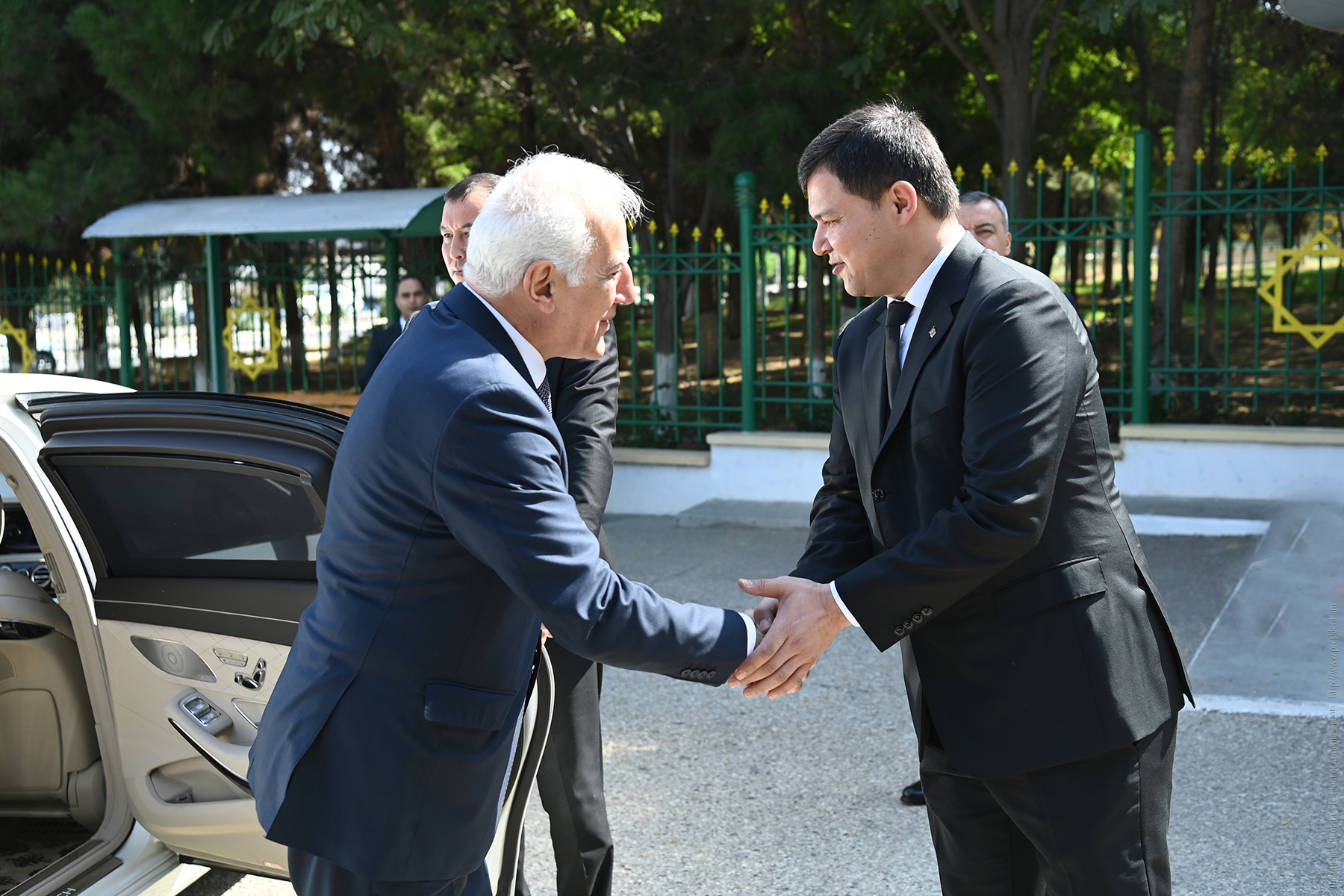
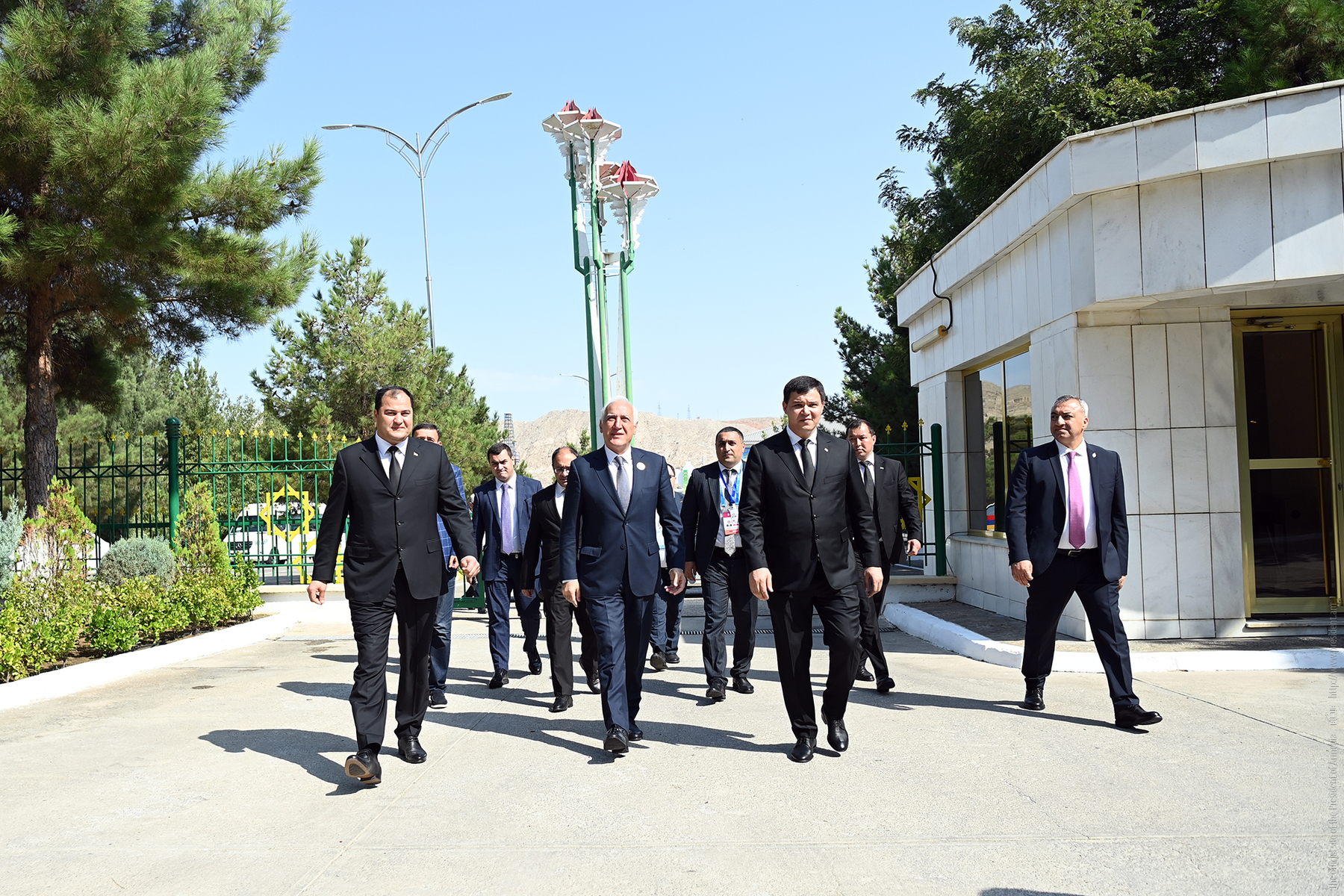
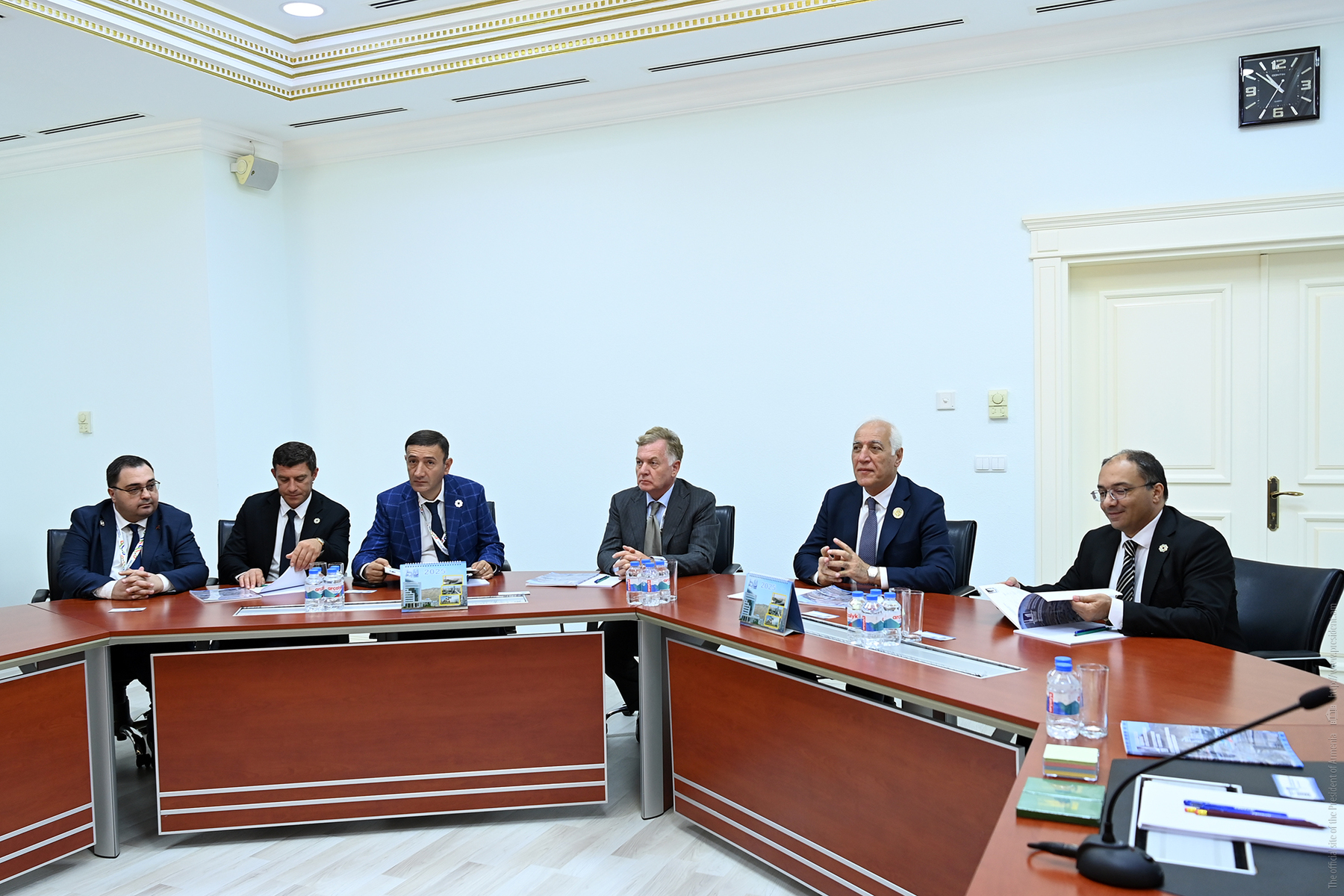
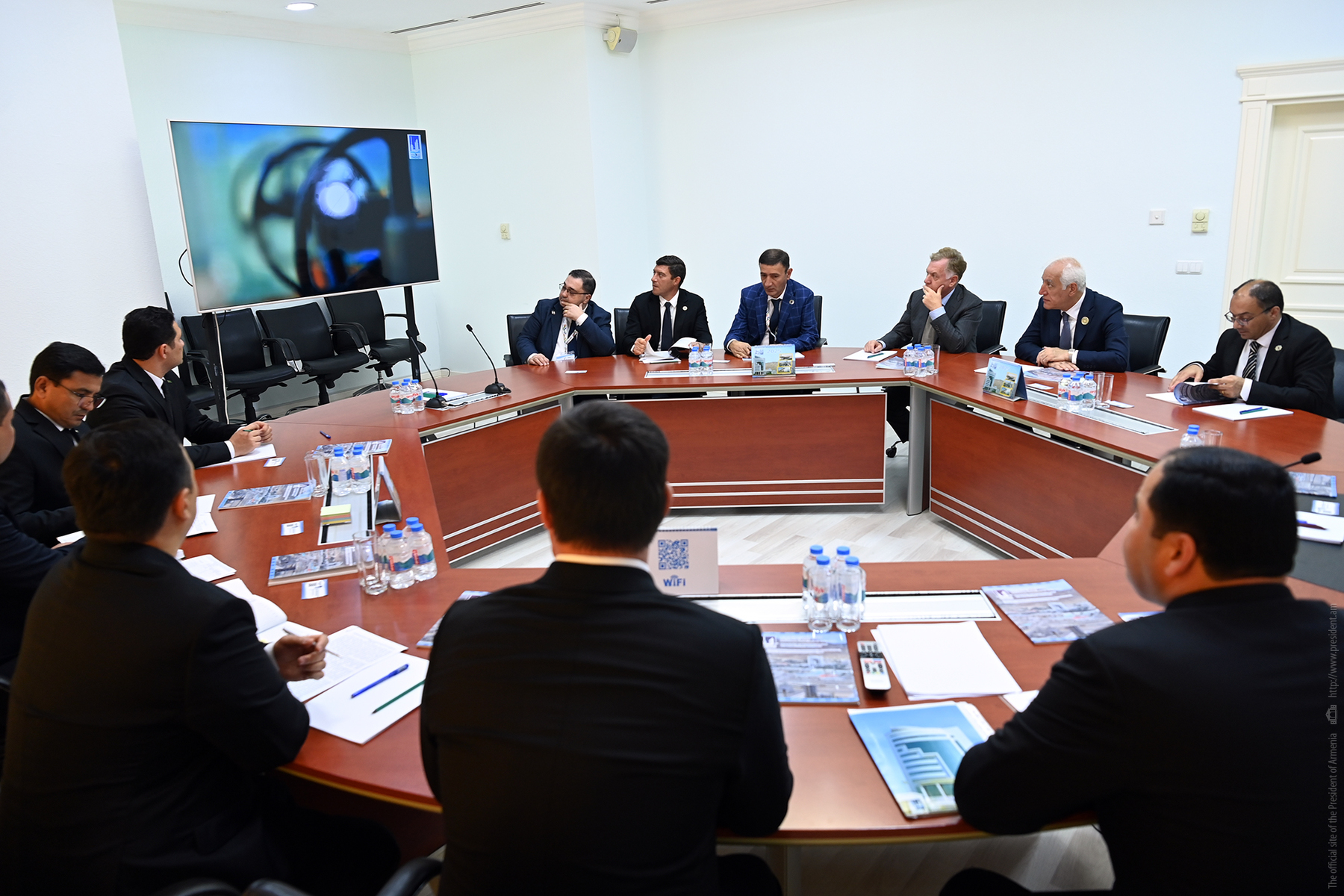
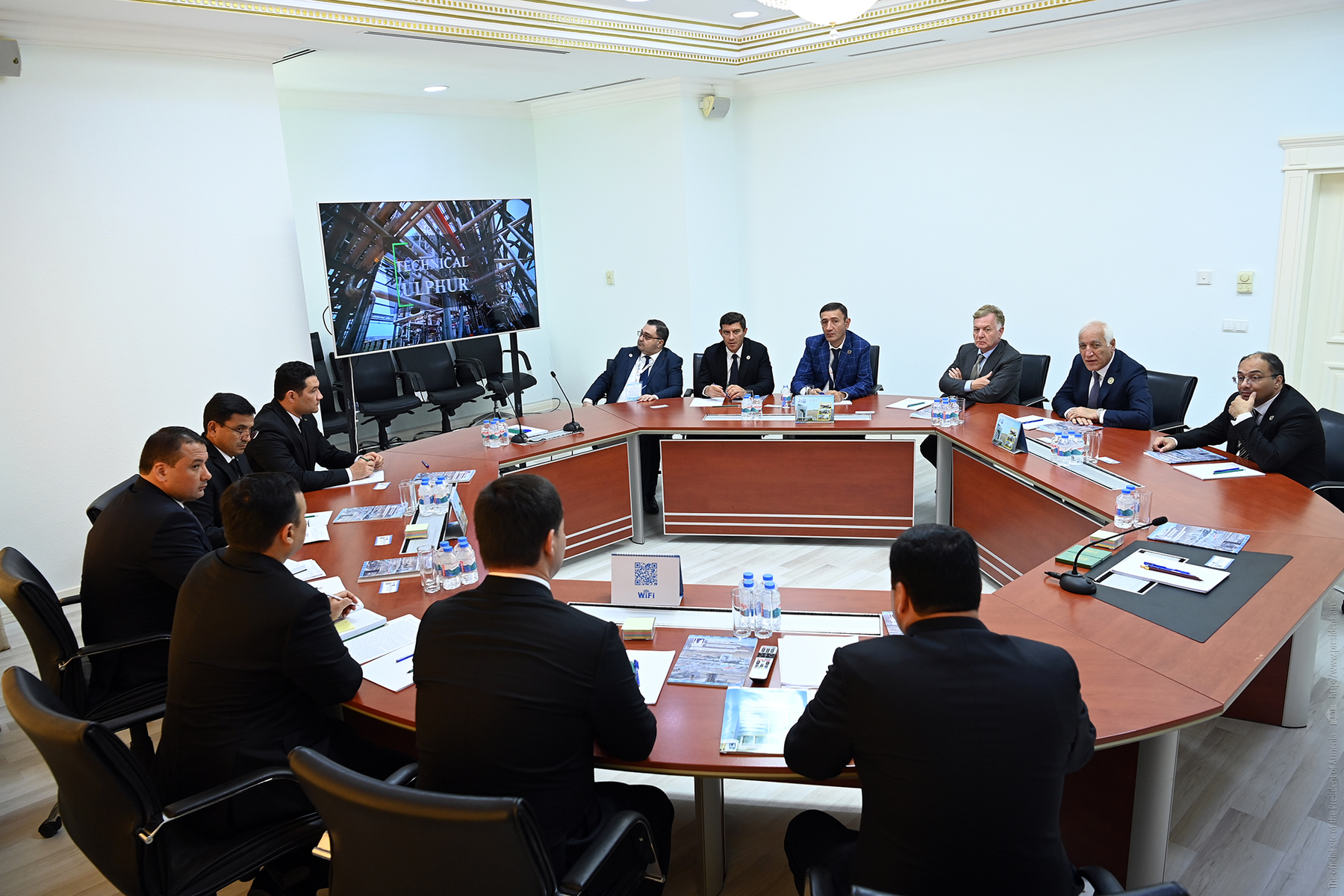
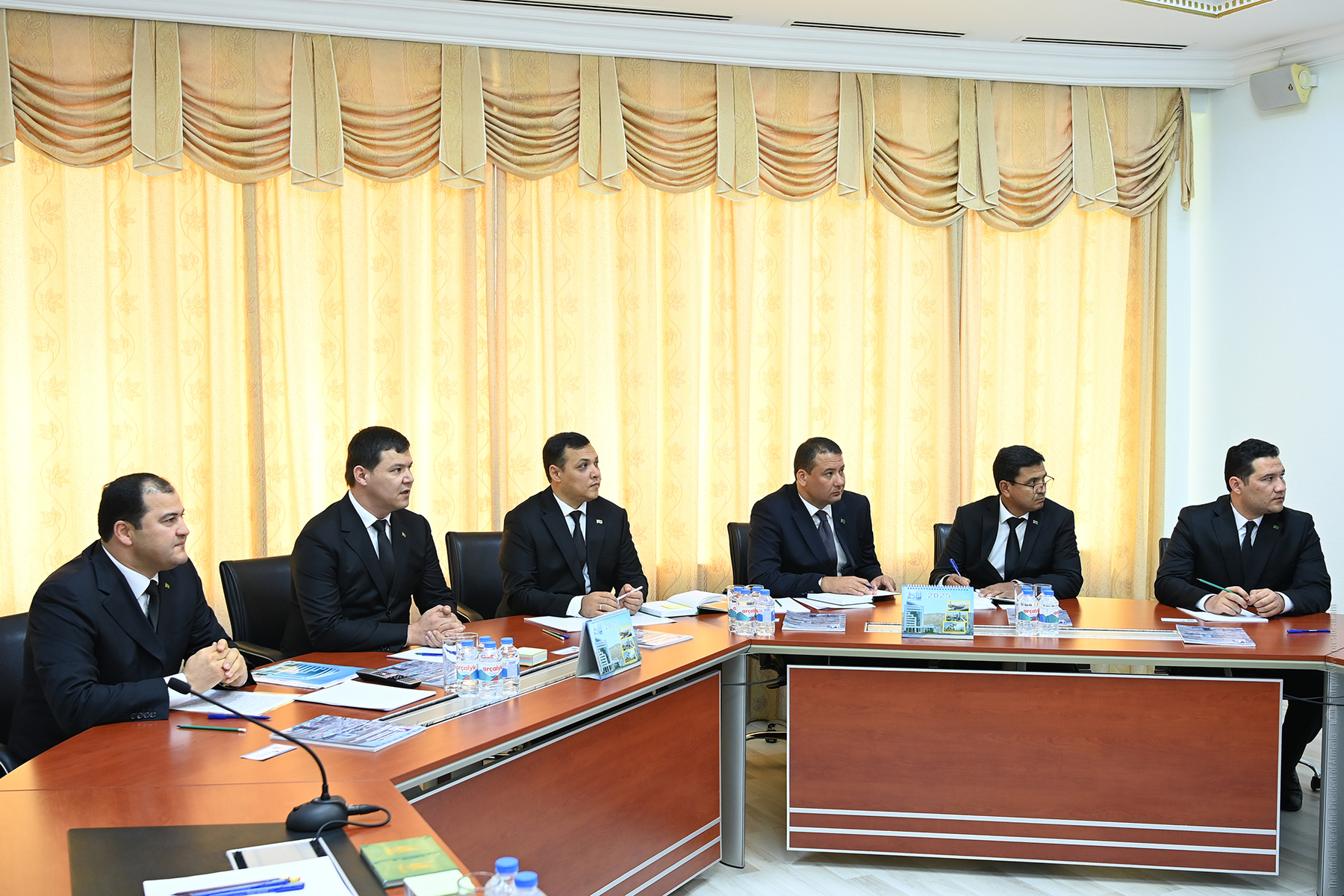
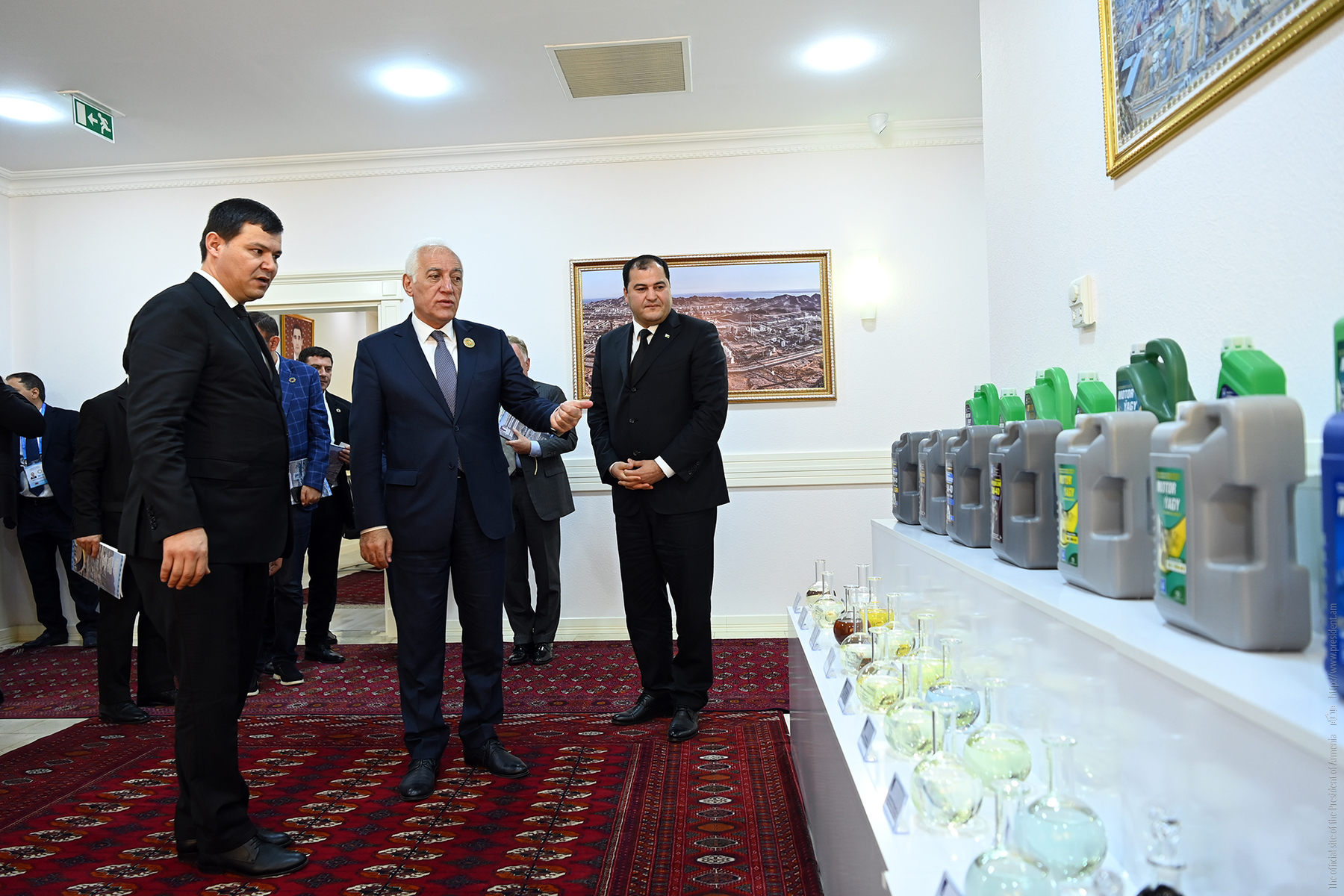
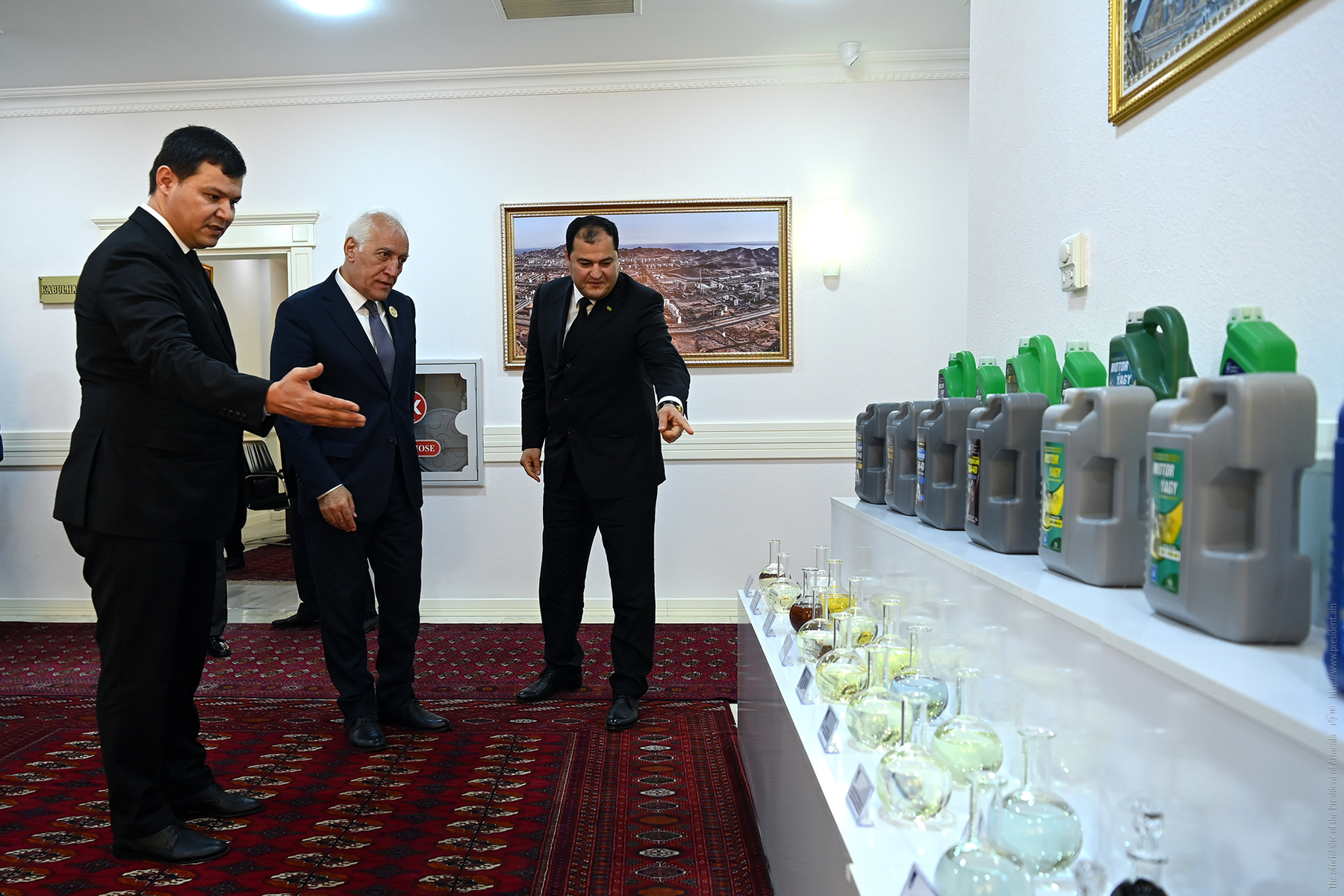
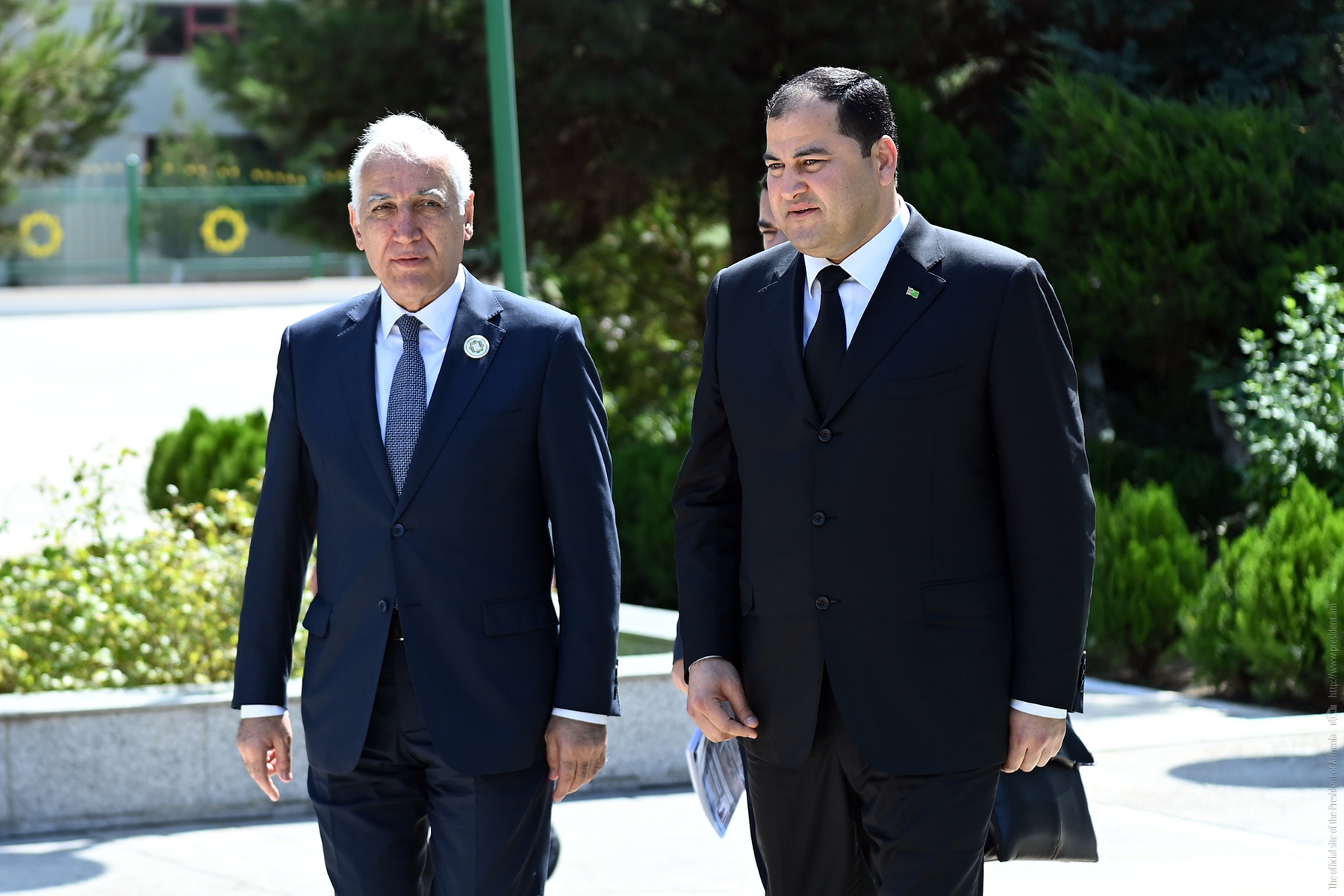
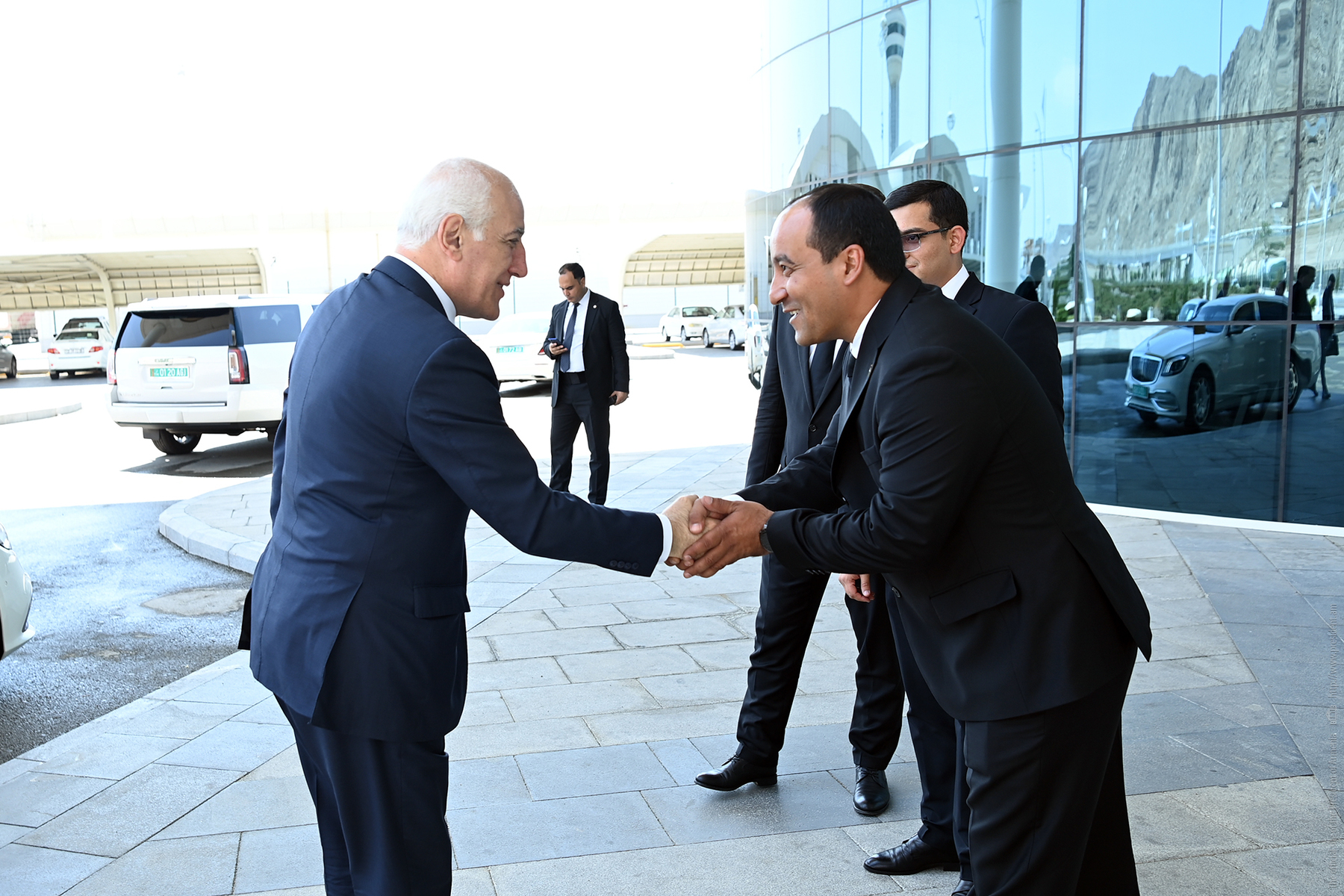
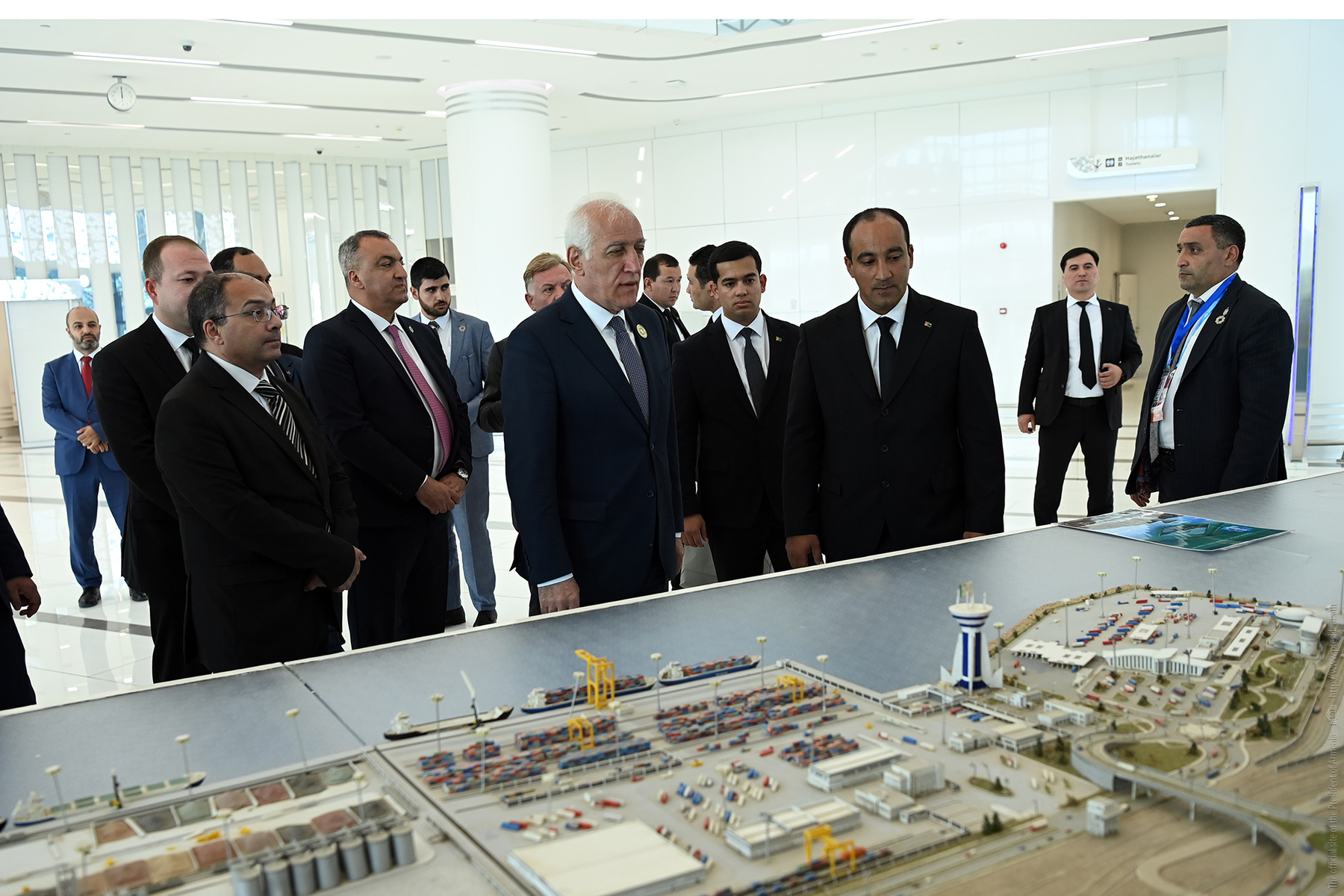
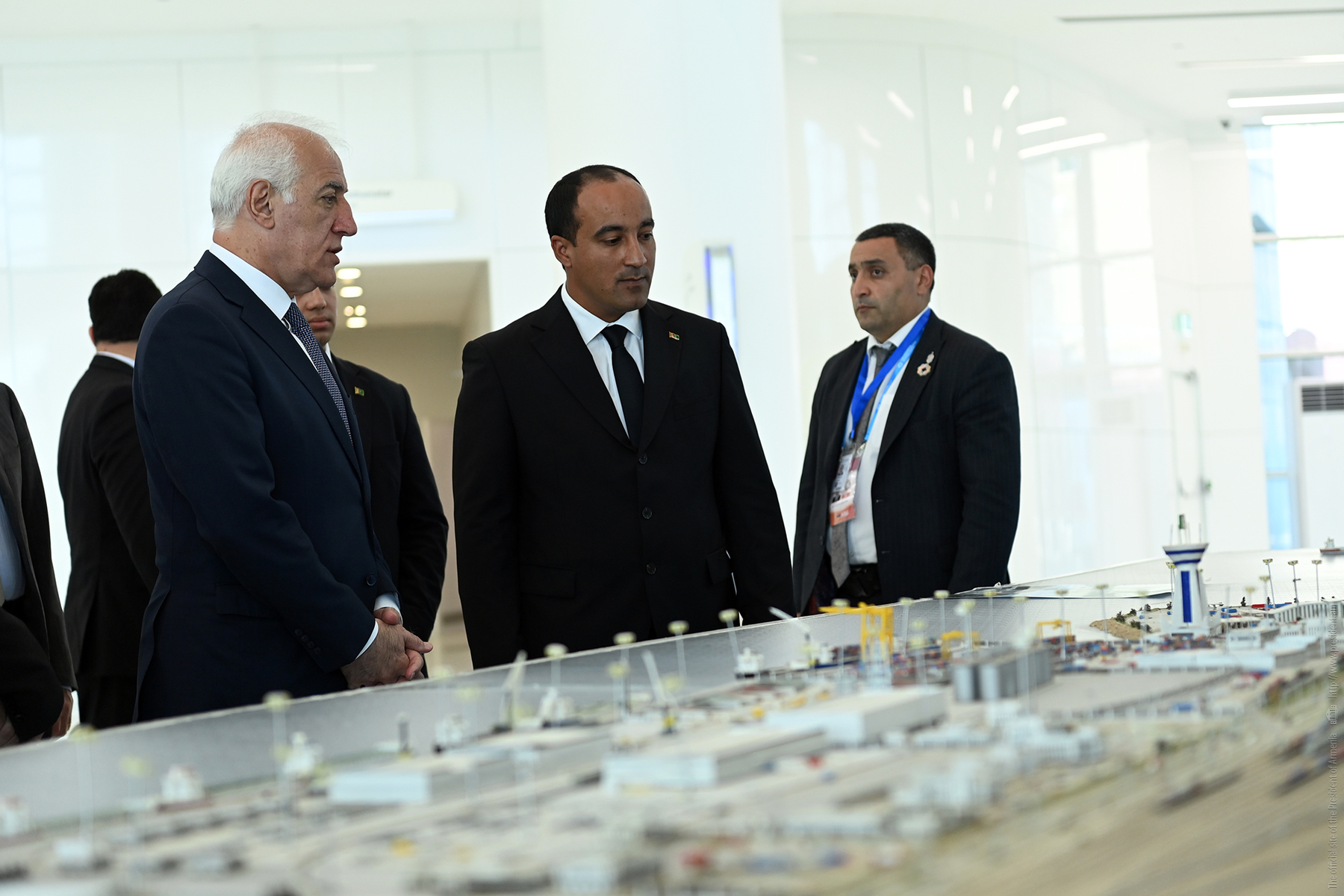
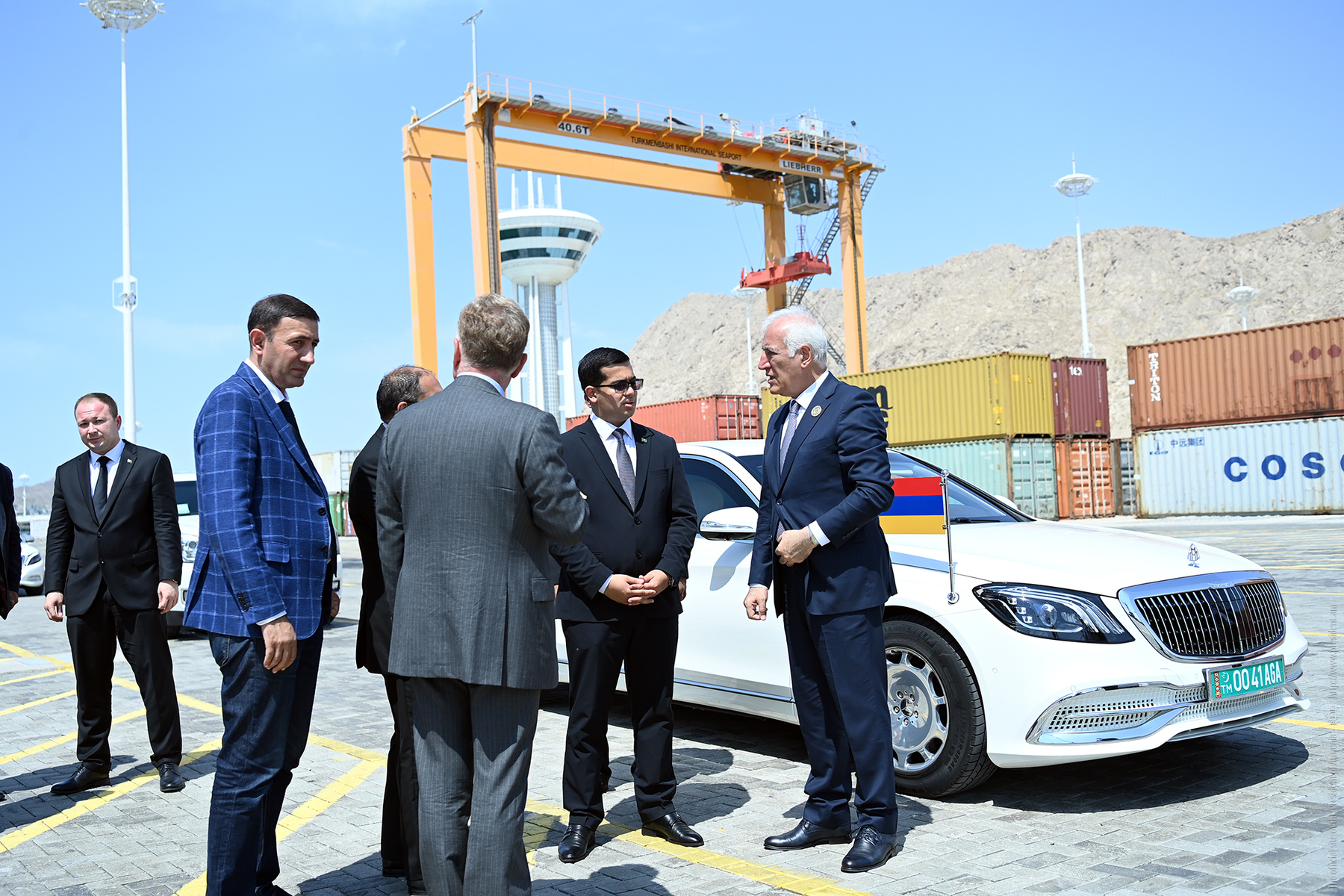
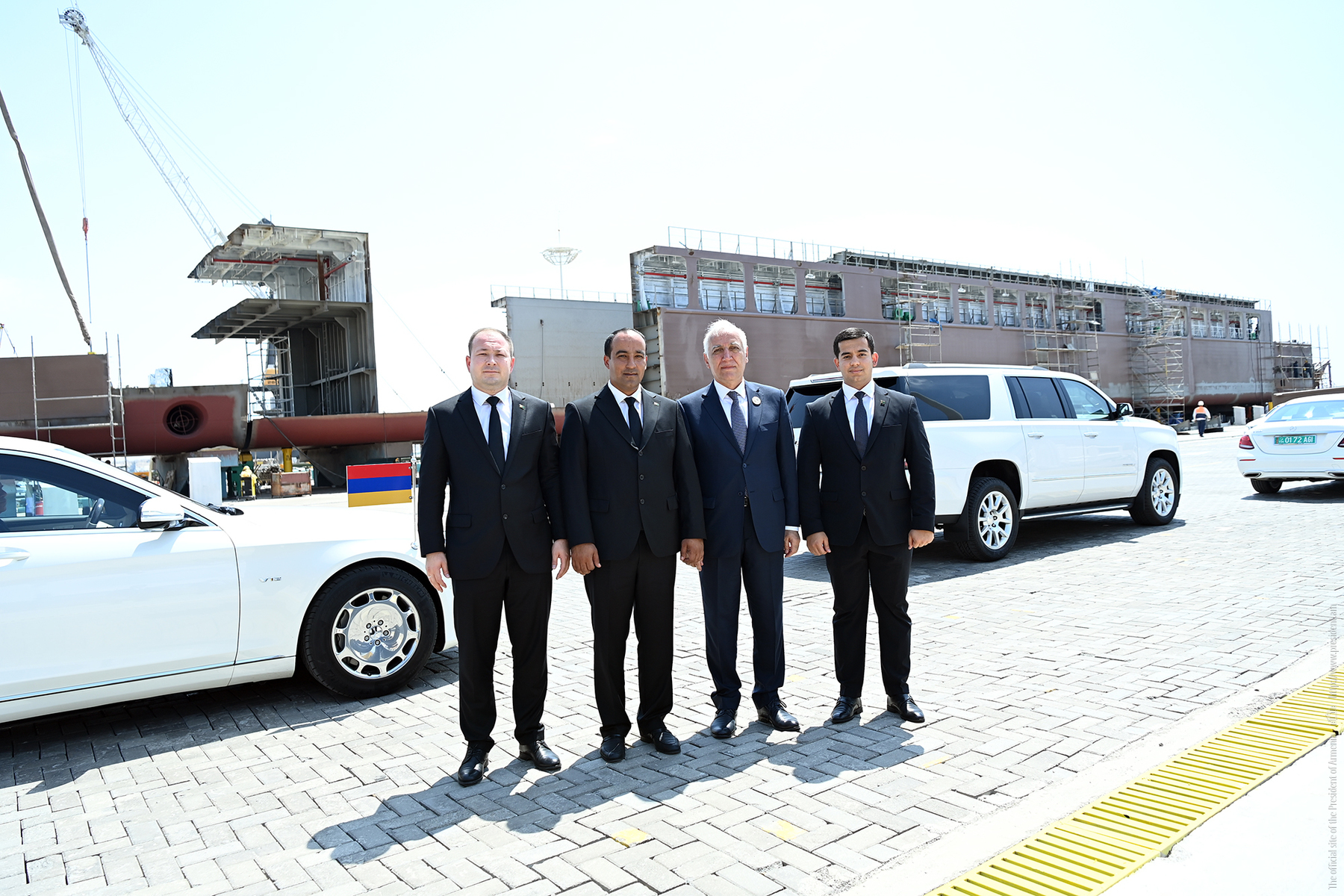
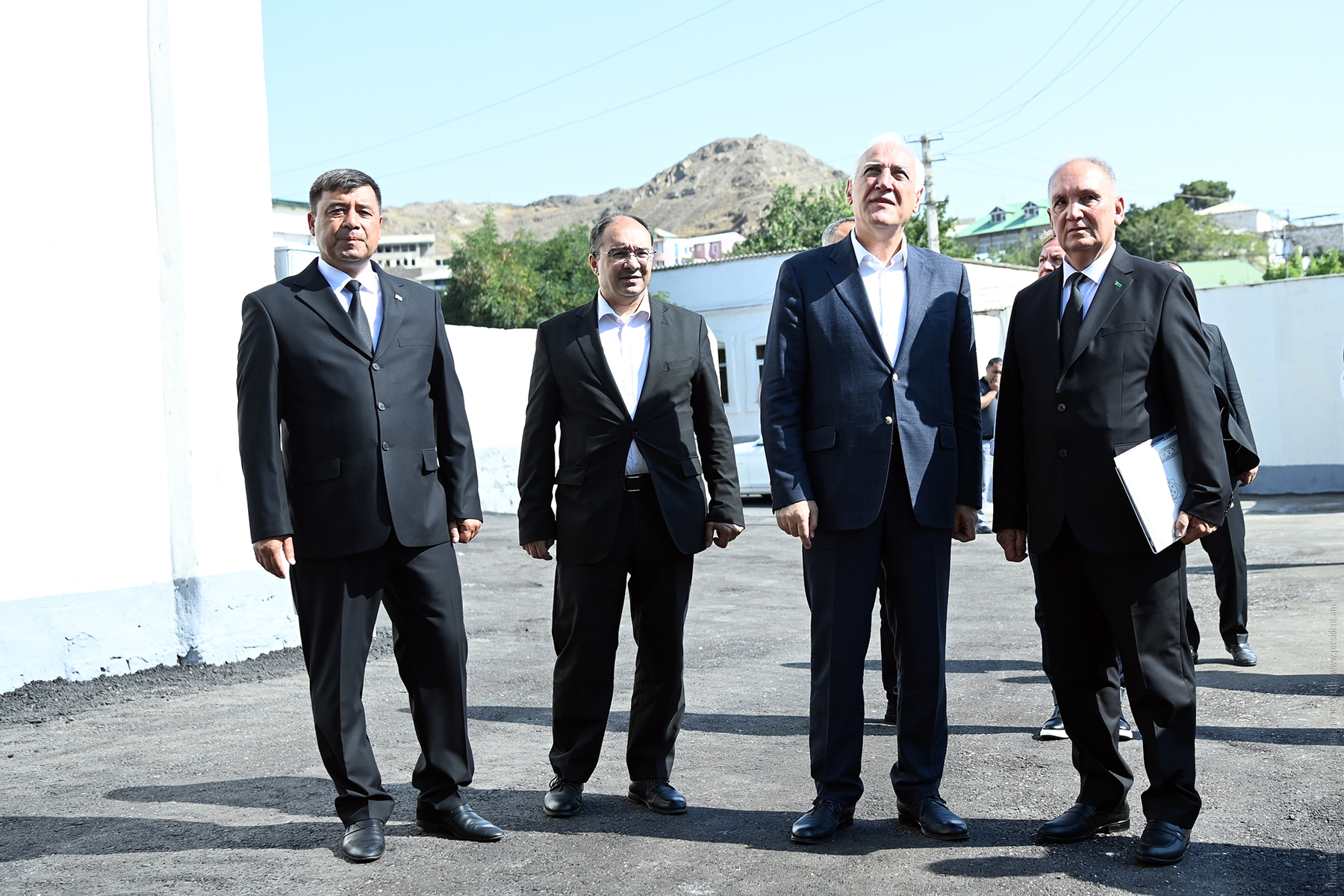
President of the Republic Vahagn Khachaturyan arrived in Turkmenbashi on a working visit to participate in the Third United Nations Conference on Landlocked Developing Countries.
***
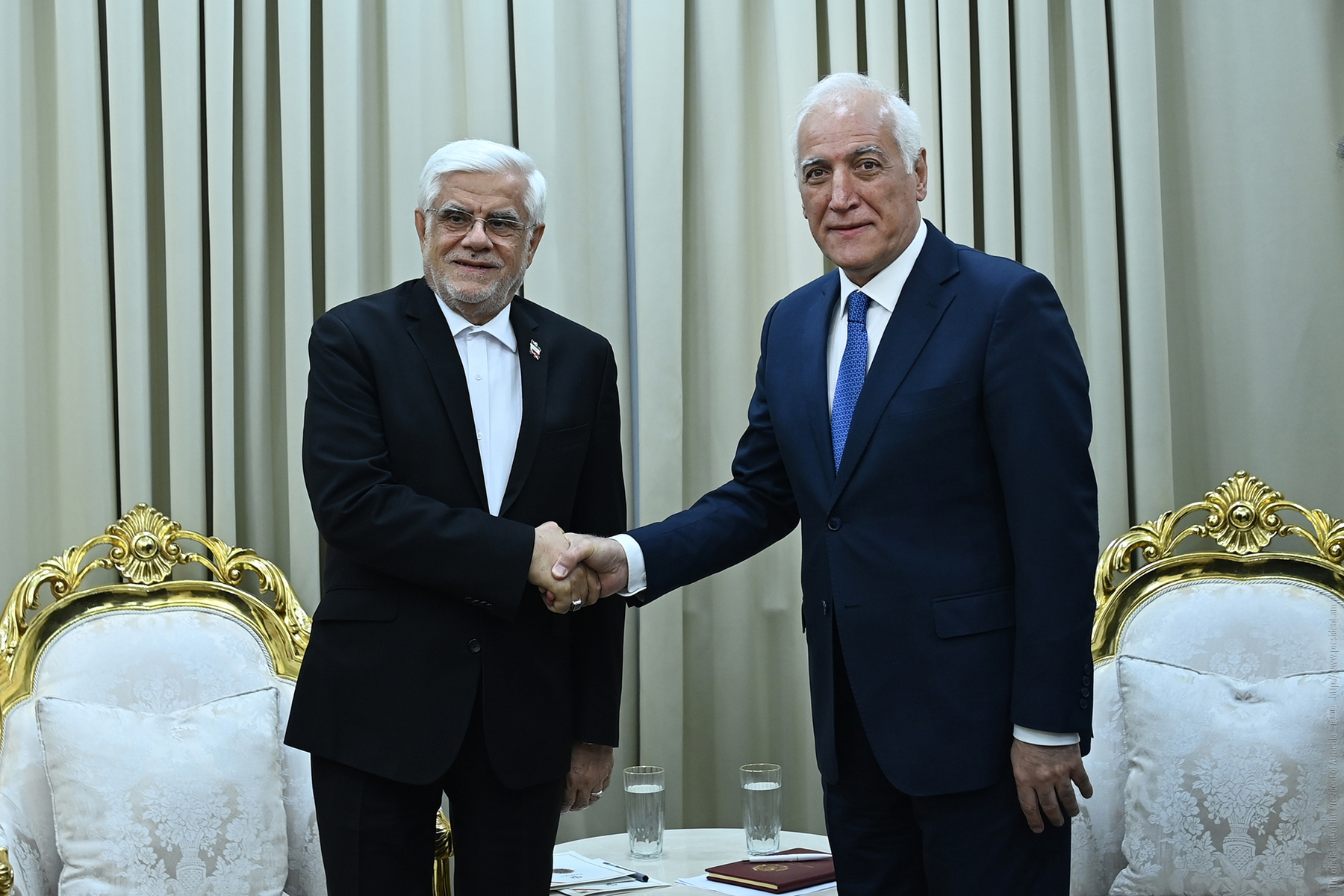
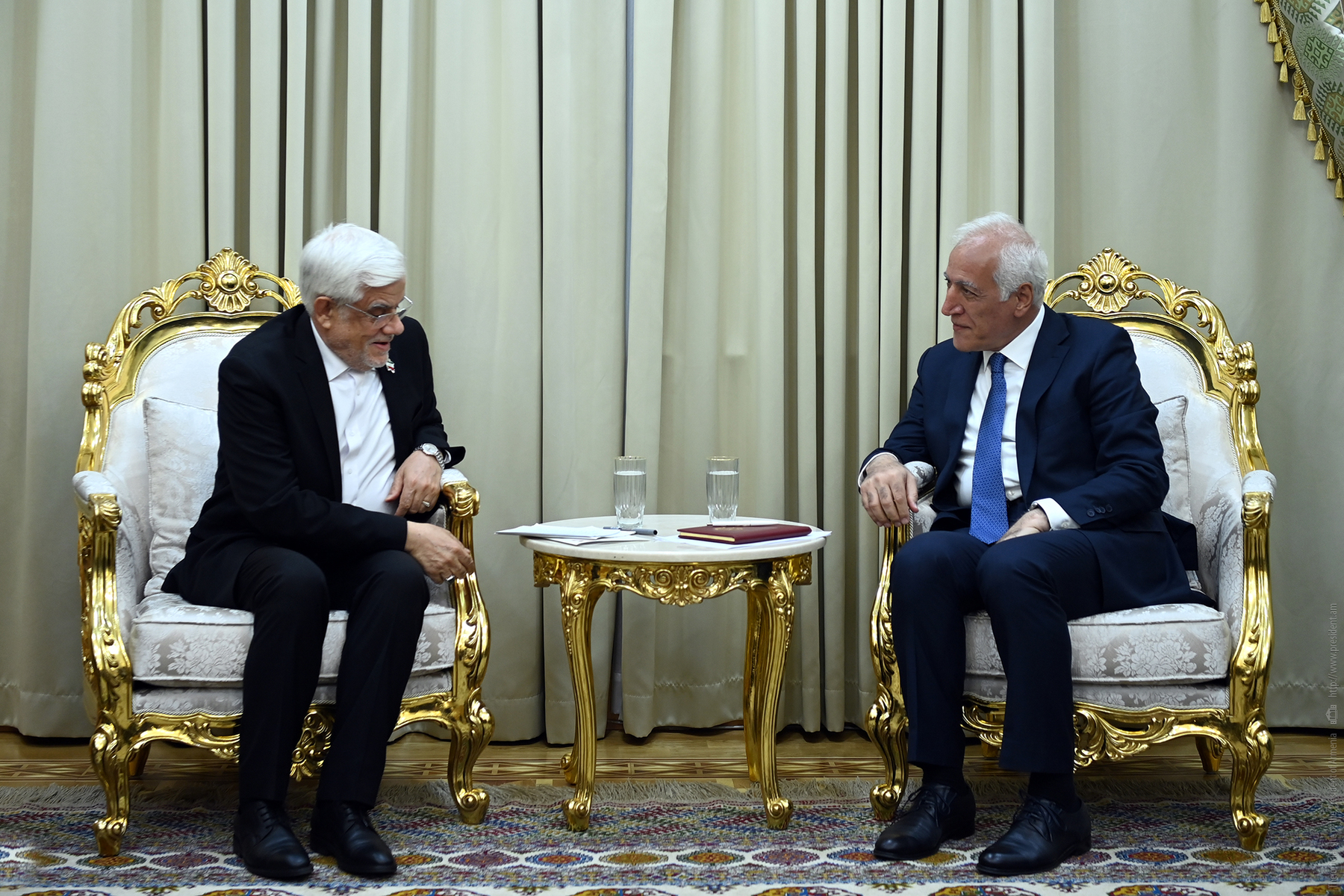
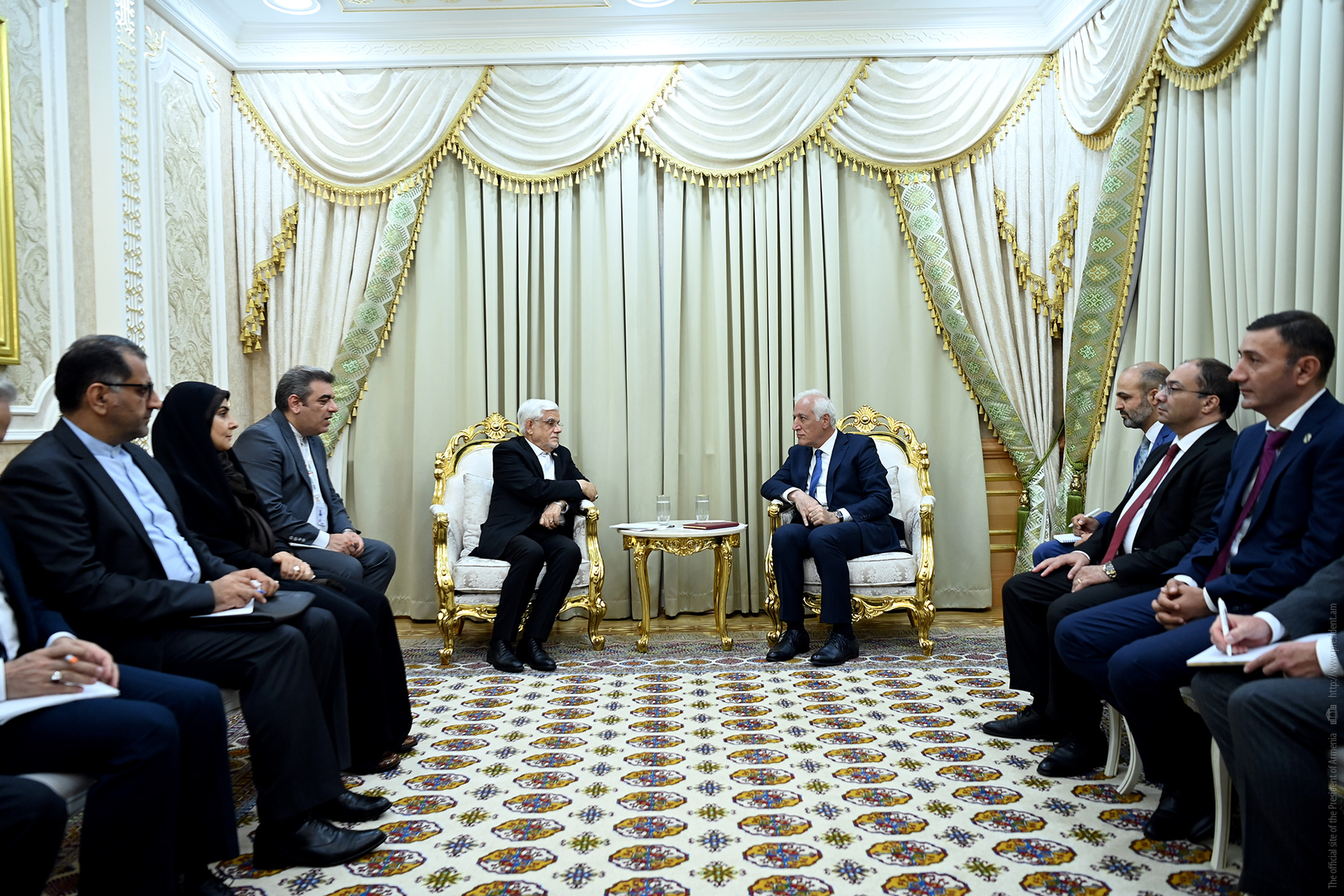
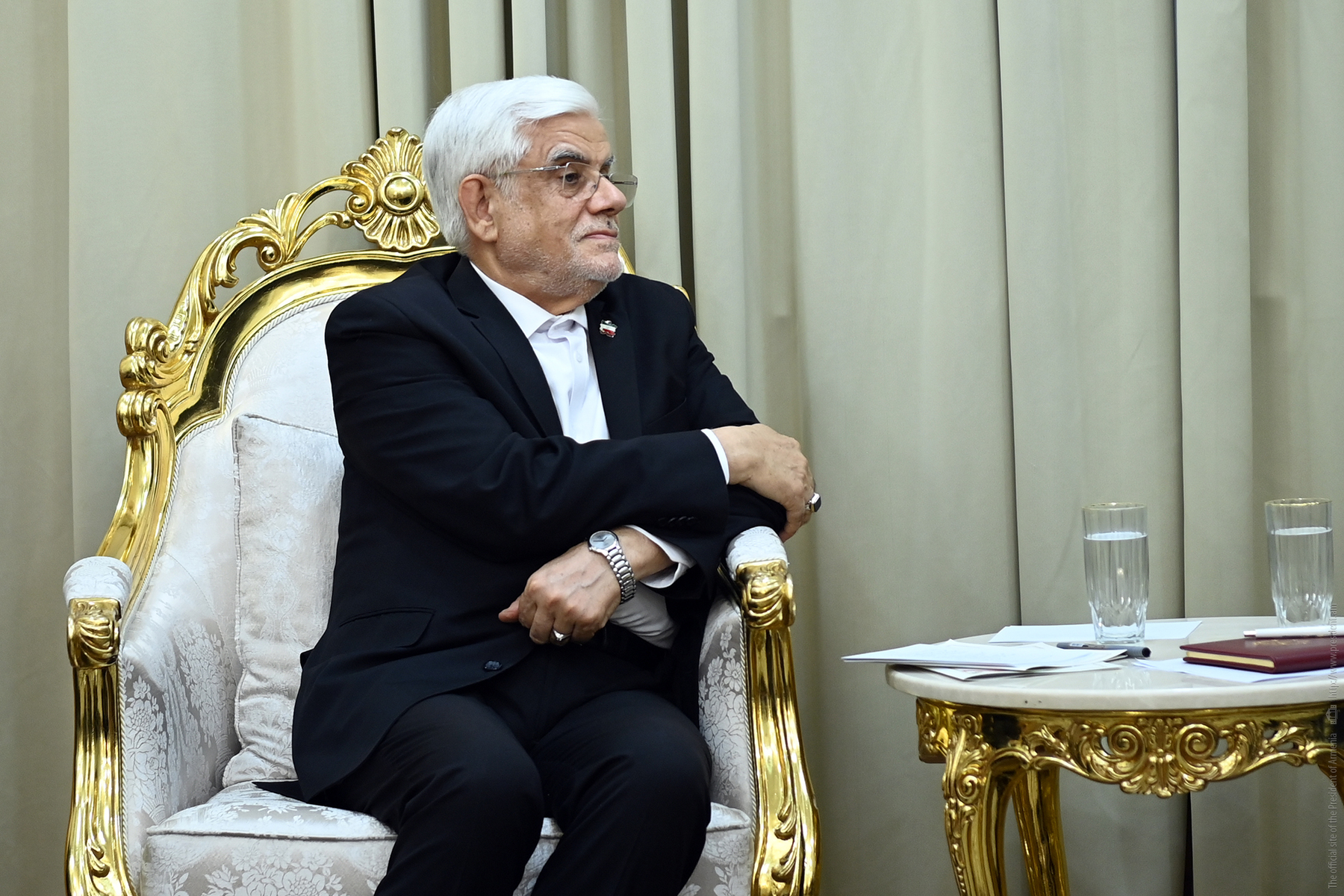
On August 4, 2025, during his working visit to Turkmenbashi in Turkmenistan, President Vahagn Khachaturyan held a meeting with the Vice President of the Islamic Republic of Iran, Mohammad Reza Aref, within the framework of the Third Conference of Landlocked Developing Countries.
At the beginning of the meeting, the sides exchanged greetings and emphasized the continued development of good-neighborly relations and multi-sectoral cooperation between the two countries, based on the centuries-old friendship between the two peoples.
During the conversation, special attention was given to the prospects for expanding cooperation in the fields of economy, energy, infrastructure, high technologies, and several other areas. President Khachaturyan highly praised the work carried out by an Iranian organization on the Meghri-Kajaran section of the North-South Road Corridor, stressing its importance for the development of regional transport links.
The sides also exchanged views on the general regional situation and developments, highlighting the consolidation of the principles of good neighborliness, mutual respect, and peaceful coexistence as the foundation for stability and development throughout the region.
***
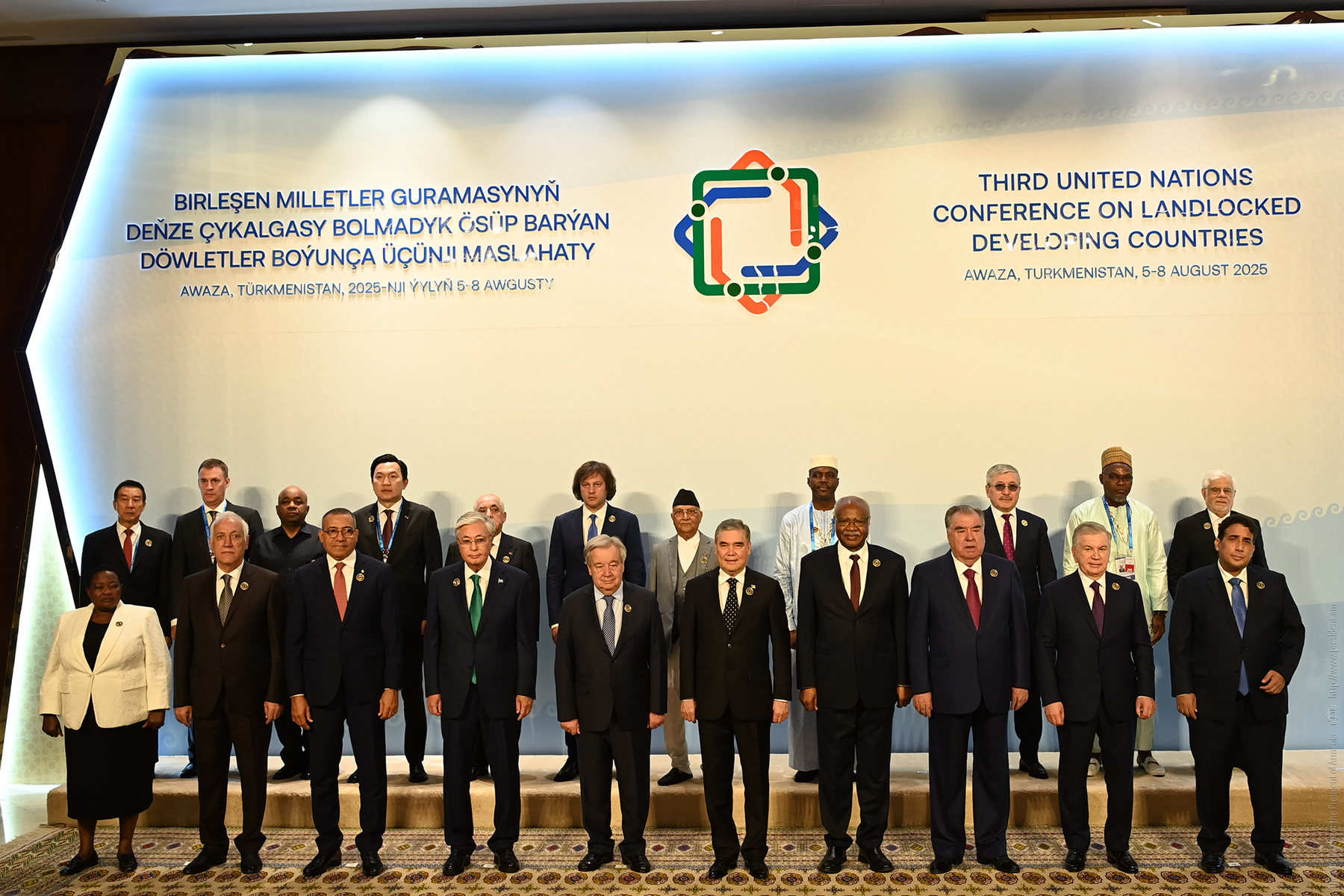
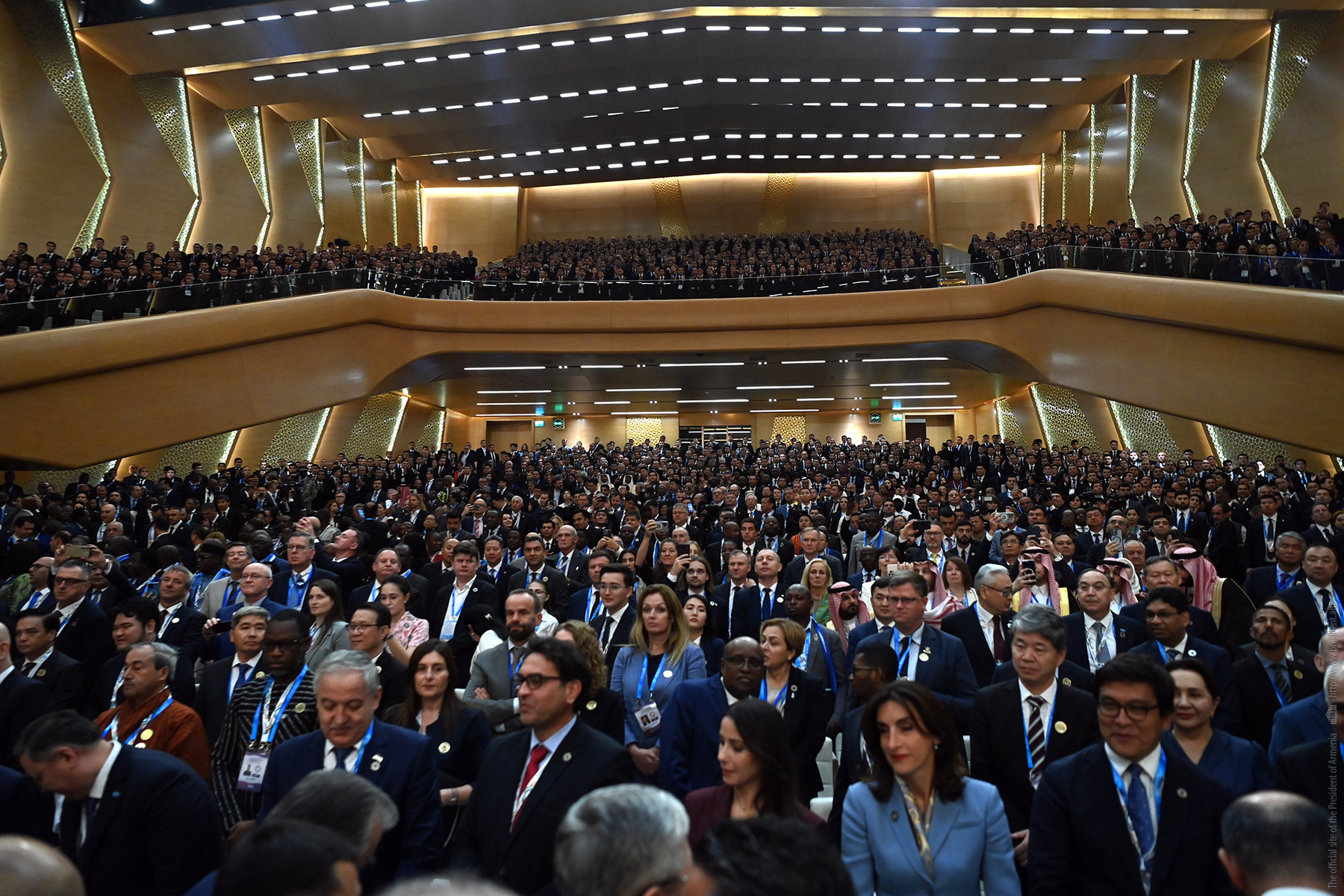
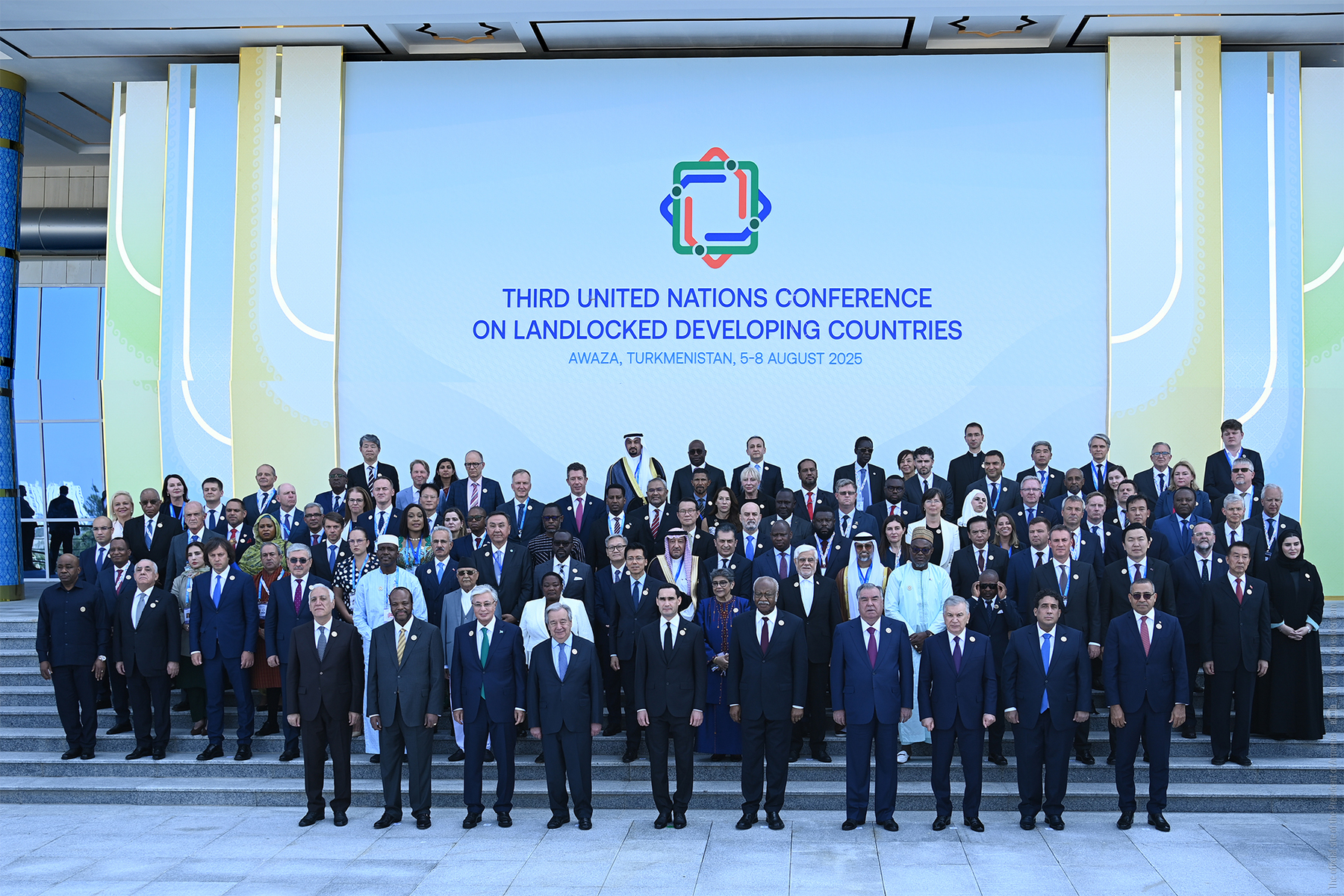
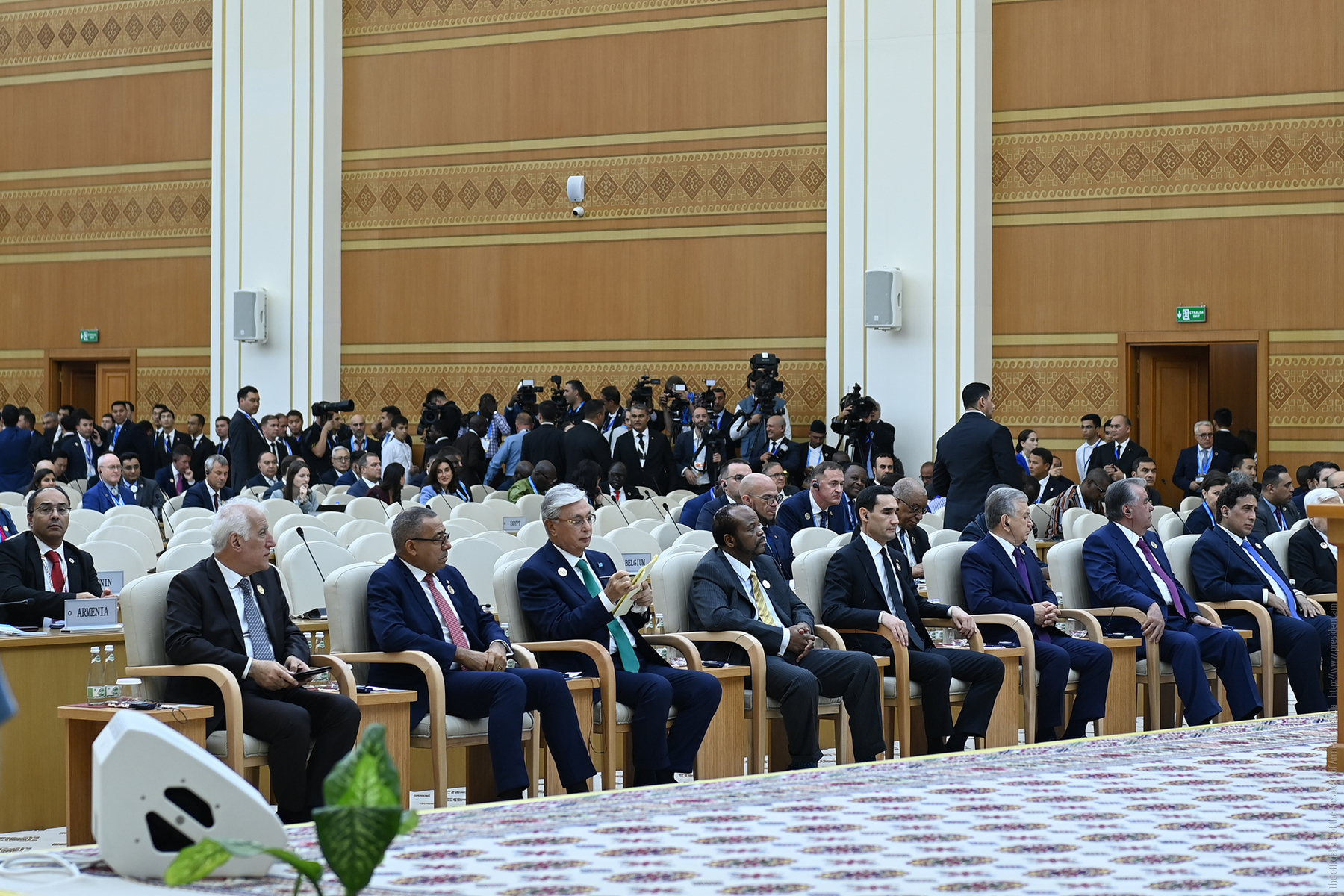
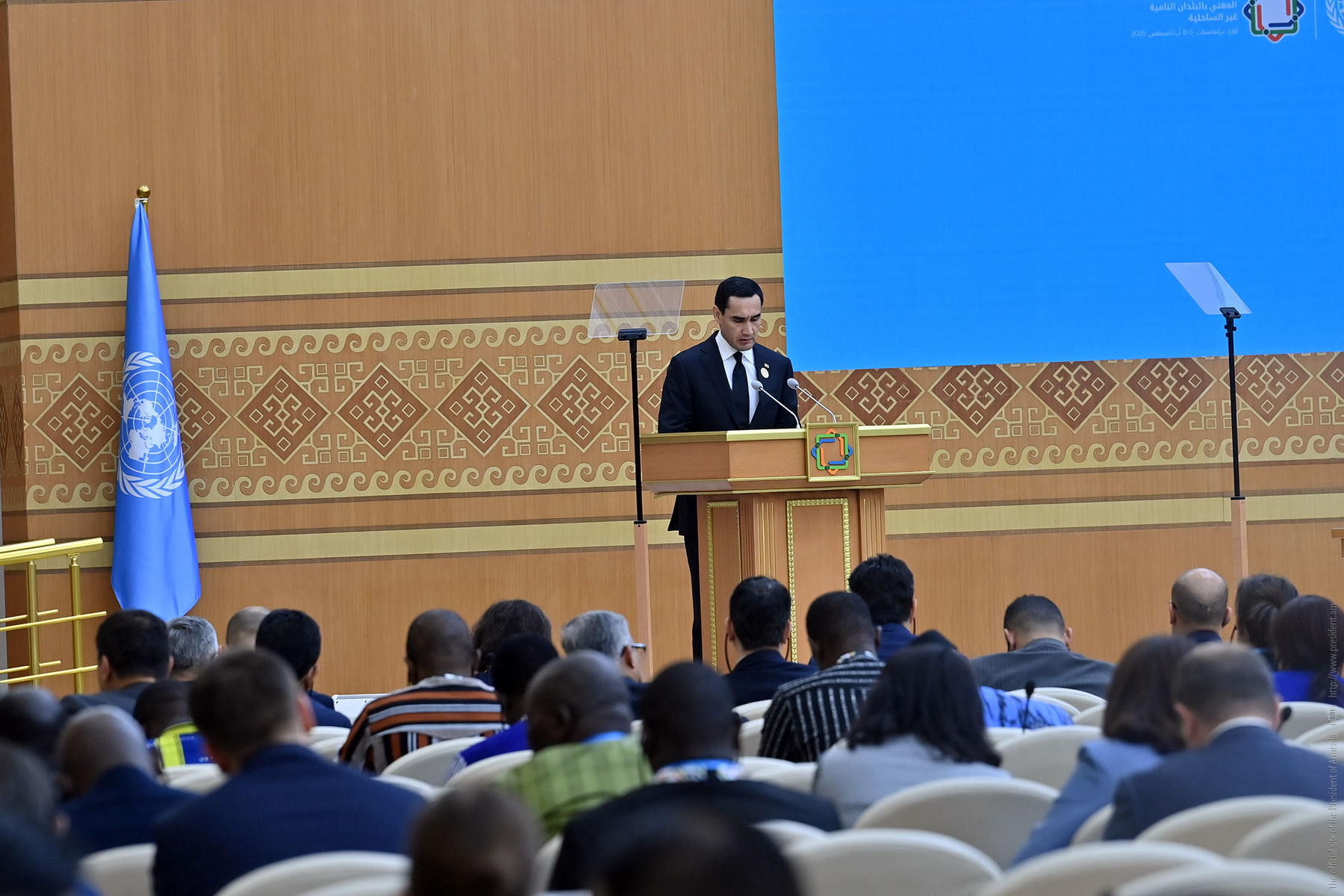
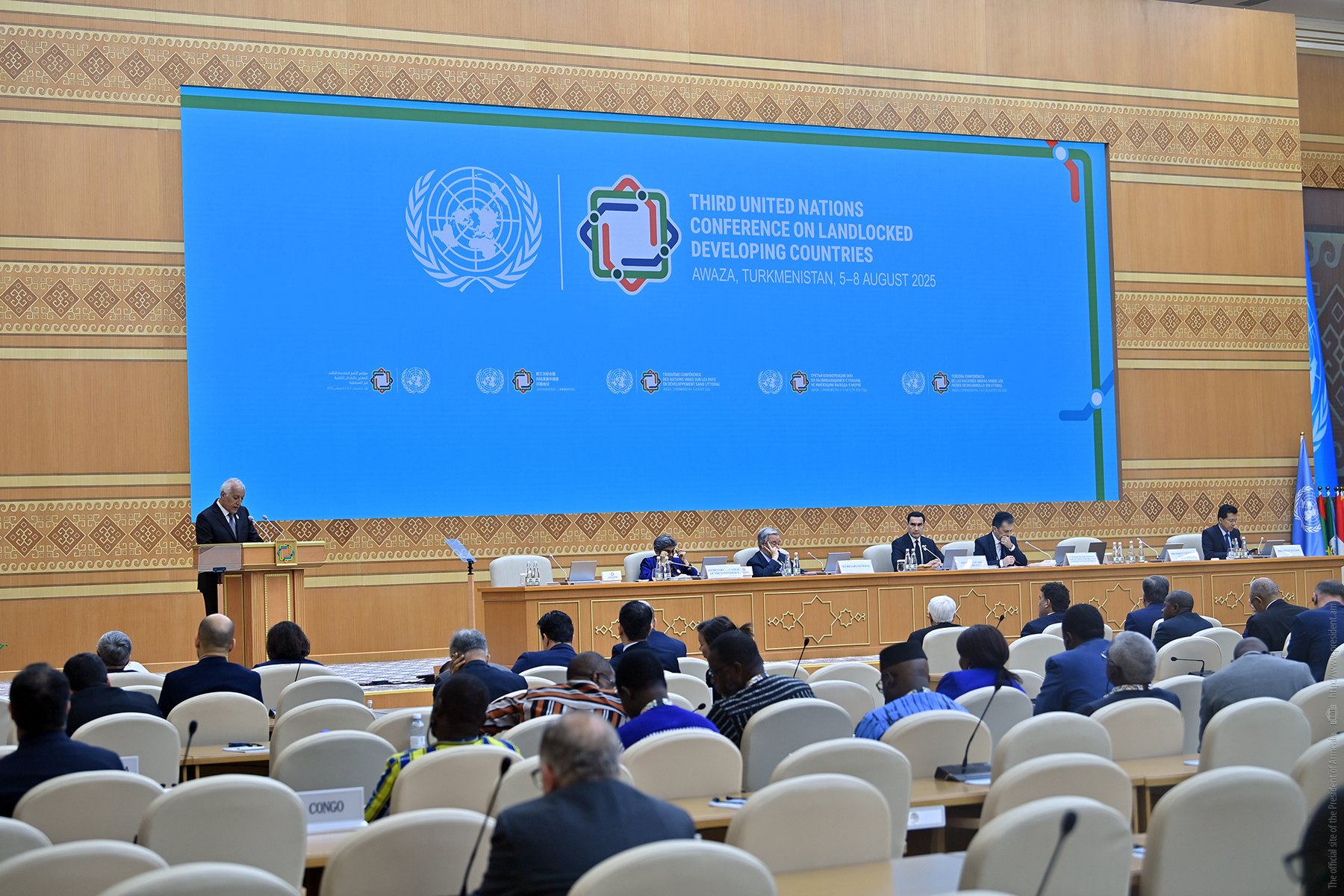
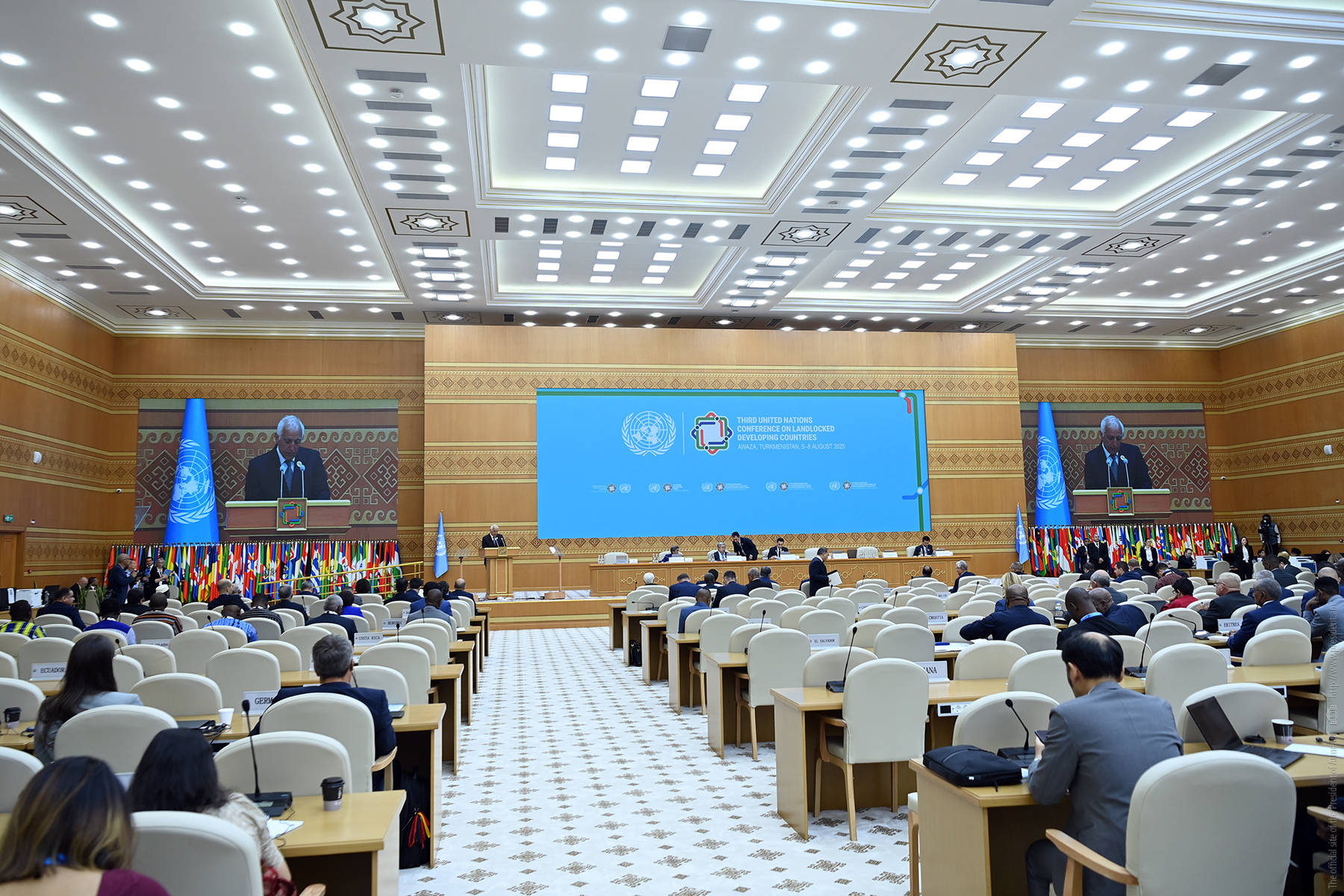
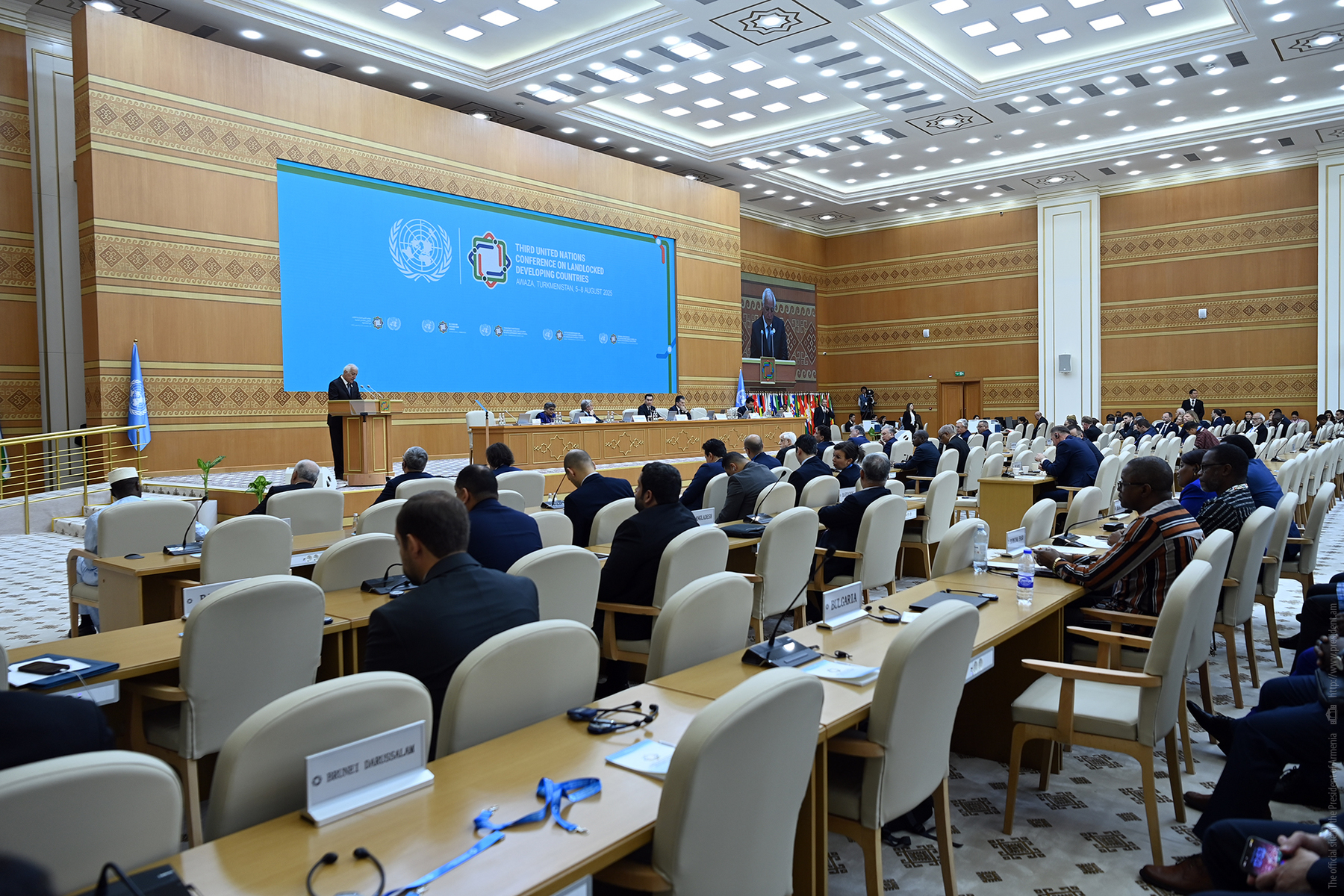
In Turkmenbashi, Turkmenistan, President of the Republic Vahagn Khachaturyan participated in the official opening ceremony of the Third United Nations Conference on Landlocked Developing Countries.
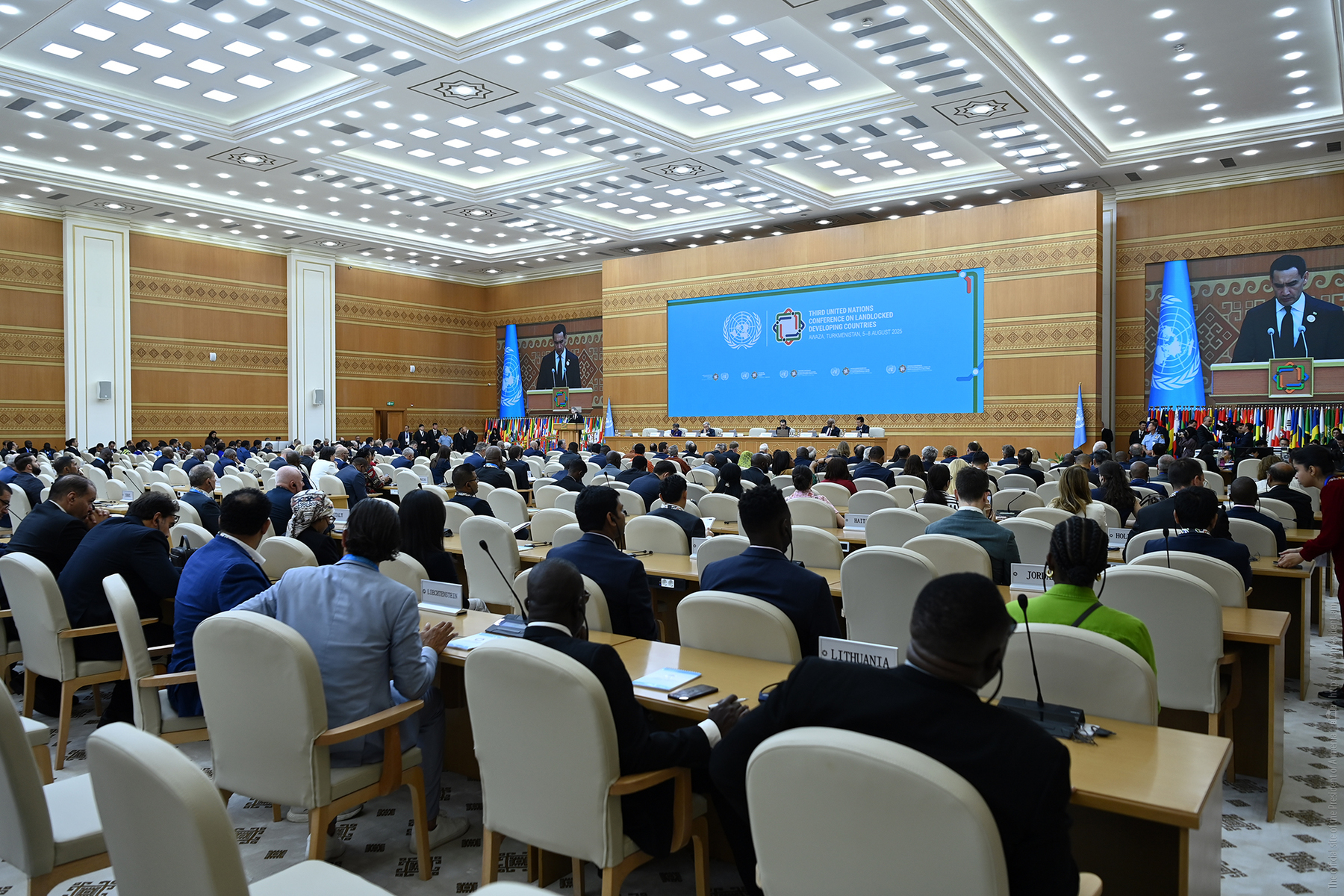
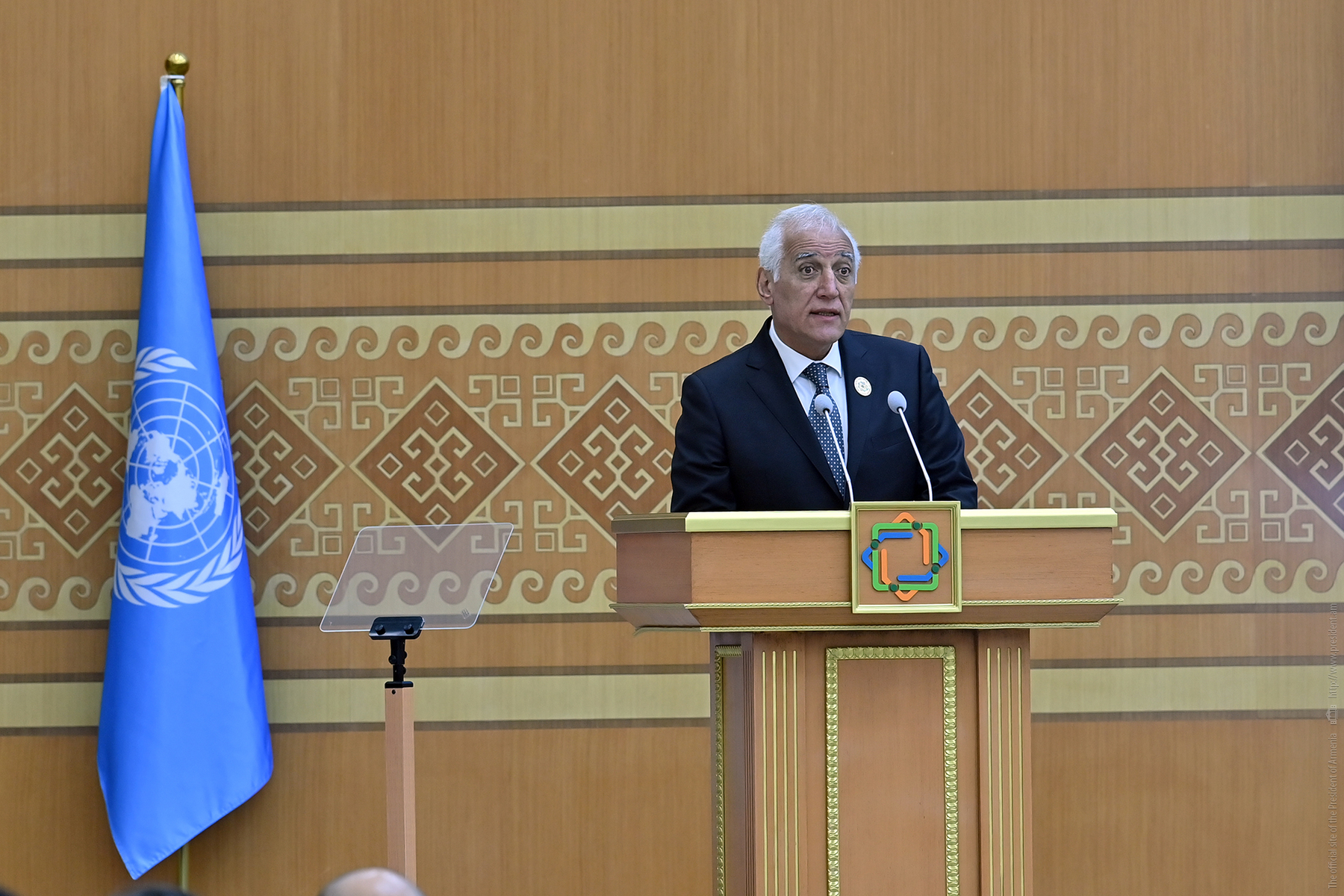
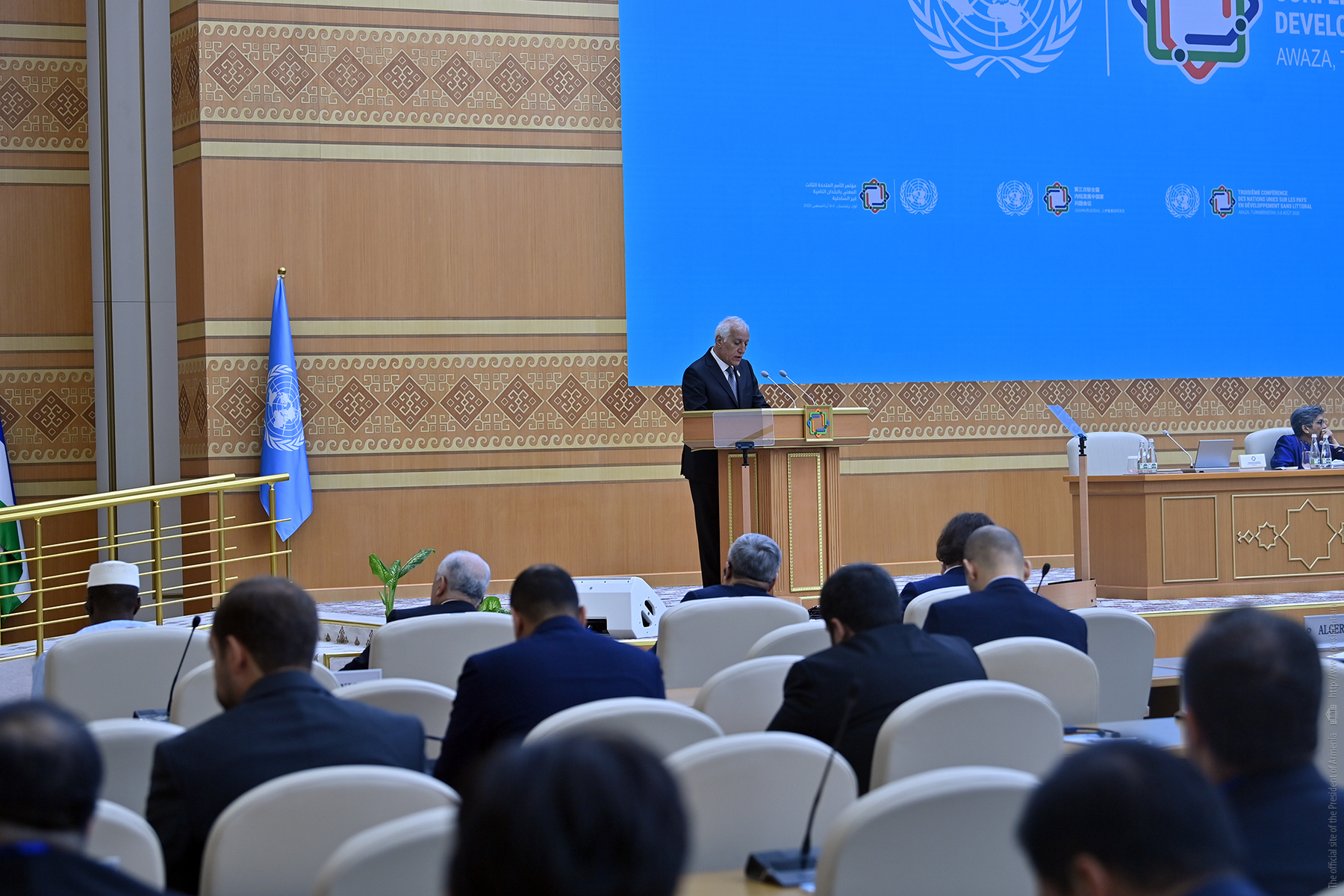
Following the reception of the heads of delegations and the official photo session, the plenary session of the conference commenced, during which President Vahagn Khachaturyan delivered a speech.
The President’s speech:
“It is my great pleasure to address you all today, as we gather here in Awaza at this historic and truly significant moment – the Third UN Conference on Landlocked Developing Countries.
Allow me to sincerely thank the Government of Turkmenistan for the excellent organization of this Conference and for their generous hospitality.
Our deep appreciation also goes to High Representative Madam Rabab Fatima, Secretary of the Third United Nations Conference on LLDCs and her team for their leadership in keeping LLDCs high on the UN agenda.
Ladies and Gentlemen,
Access to global markets is vital for achieving inclusive and sustainable development. In today’s interconnected world, cross-border flows of trade, services and people are powerful drivers of shared prosperity. Yet, LLDCs continue to face pressing challenges due to geographical constraints, which too often limit their ability to fully participate in global trade, diversify their economies and attract investments, slowing our shared progress towards the Sustainable Development Goals.
To overcome these challenges and transform the lives and economies of LLDCs, we now have a clear and forward-looking roadmap. The Awaza Programme of Action is a comprehensive set of concrete steps, commitments and deliverables by all stakeholders, with a particular focus on responding to the socio-economic consequences of emerging threats. The five priority areas of the new Programme of Action build on the Vienna Programme of Action and directly address the most pressing challenges LLDCs face today.
The Awaza Programme of Action will serve as a blueprint for promoting enhanced cooperation among LLDCs, transit countries, the United Nations, its agencies, as well as international development organizations and financial institutions, helping us make urgent and meaningful progress on our shared priorities.
However, translating the ambitions of the new Programme of Action into concrete results on the ground will be a daunting task in the face of inadequate financing, especially for transport infrastructure and it is evident that LLDCs cannot do this alone. We need enhanced regional cooperation between landlocked and transit countries. Removing artificial and politically-motivated barriers to the free movement of people, goods and services is not only a practical necessity, it is also essential for upholding economic and social rights, advancing the right to development and promoting inclusive regional and global connectivity.
We stress the importance of meaningful support by development partners to increase investment in cross-border infrastructure so that trade becomes faster and more efficient.
We must also ensure that LLDCs are fully engaged in global digital and green transitions, so they are not left behind in the global economy.
We must also enhance resilience in the face of climate change and biodiversity loss. Armenia, as the next host and Presidency of the Biodiversity COP17, will spare no efforts to advance this important agenda and to ensure that LLDCs are fully connected and benefit from their rich biodiversity resources.
Ladies and Gentlemen,
I am representing a country that has been facing the impact of geographical constraints and a complex geopolitical environment for over three decades. With closed borders with two of our neighbors, no direct access to an ocean or sea, unique challenges in trade, transport and logistics, the Government of Armenia fully realizes the crucial importance of inclusive connectivity, open borders, and reliable roads and transport infrastructure for our integration into global markets.
With this understanding the Government of Armenia has developed the “Crossroads of Peace” initiative, which demonstrates my country’s commitment to regional peace and cooperation and to fostering inclusive connectivity at regional and global levels.
“The Crossroads of Peace” project has the potential to transform our economies into more prosperous and resilient ones. By placing the alignment of economic interests alongside long‑awaited peace and stability at its heart, it seeks to establish practical trade arrangements built on shared interests in areas such as trade, transport, energy and tourism - turning vision into reality.
Excellences,
In conclusion I would like to once again express my heartfelt gratitude to the Government of Turkmenistan and the United Nations for organizing this Conference, and we look forward to active and meaningful discussions aimed at building a future where being landlocked is no longer a limitation, but a starting point for innovation, resilience and shared prosperity. Let me also reiterate that Armenia remains fully committed to effective multilateral cooperation with all partners to implement the Awaza Programme of Action for LLDCs.
I thank you.”
***
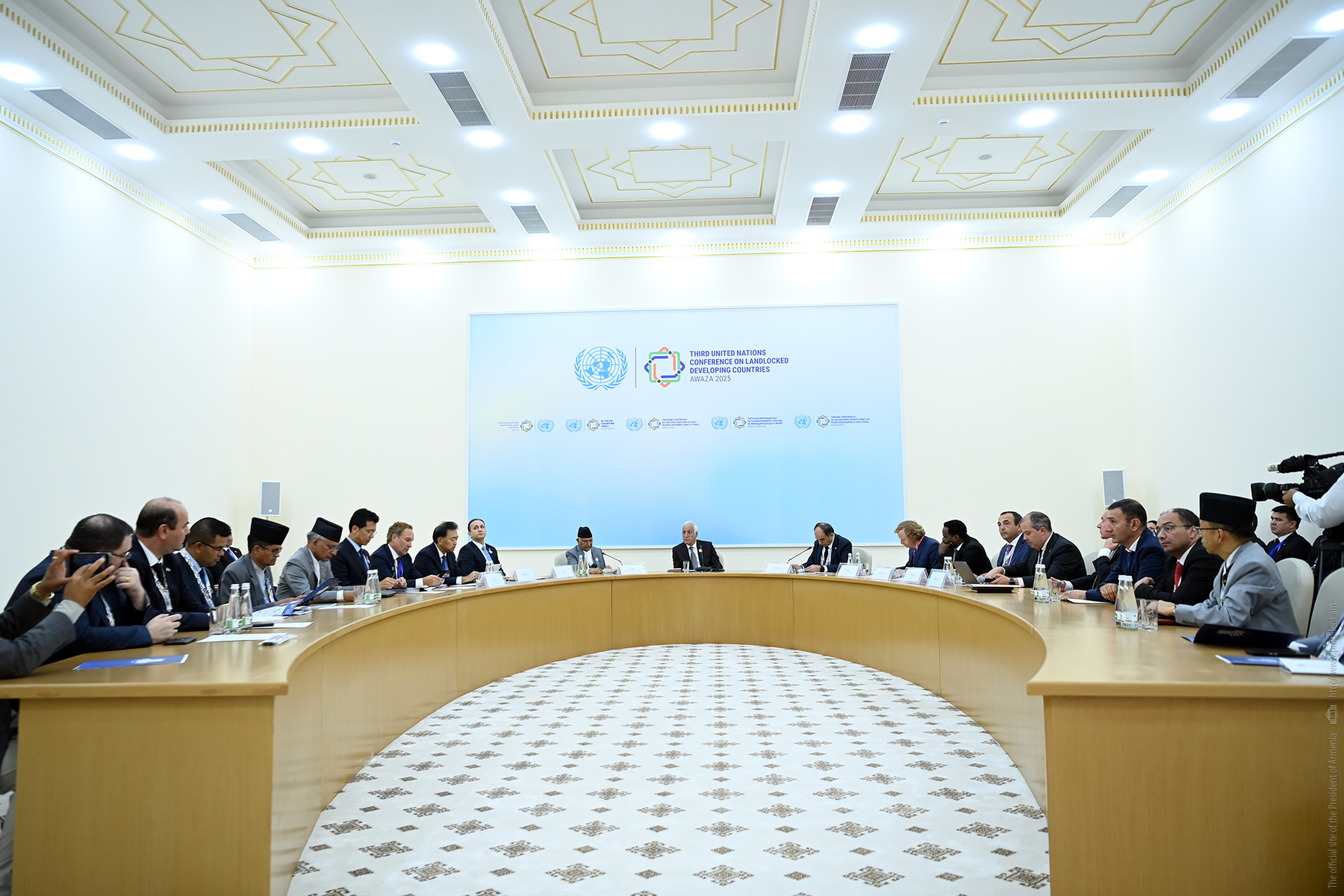
During his working visit to Turkmenbashi, Turkmenistan, President Vahagn Khachaturyan participated in a side event and panel discussion entitled “Promotion of regional security and cooperation through enhanced trade and transport connectivity” organized by the Armenian side within the framework of the Third United Nations Conference on Landlocked Developing Countries.
At the start of the event, the President delivered opening remarks.
The President’s opening remarks:
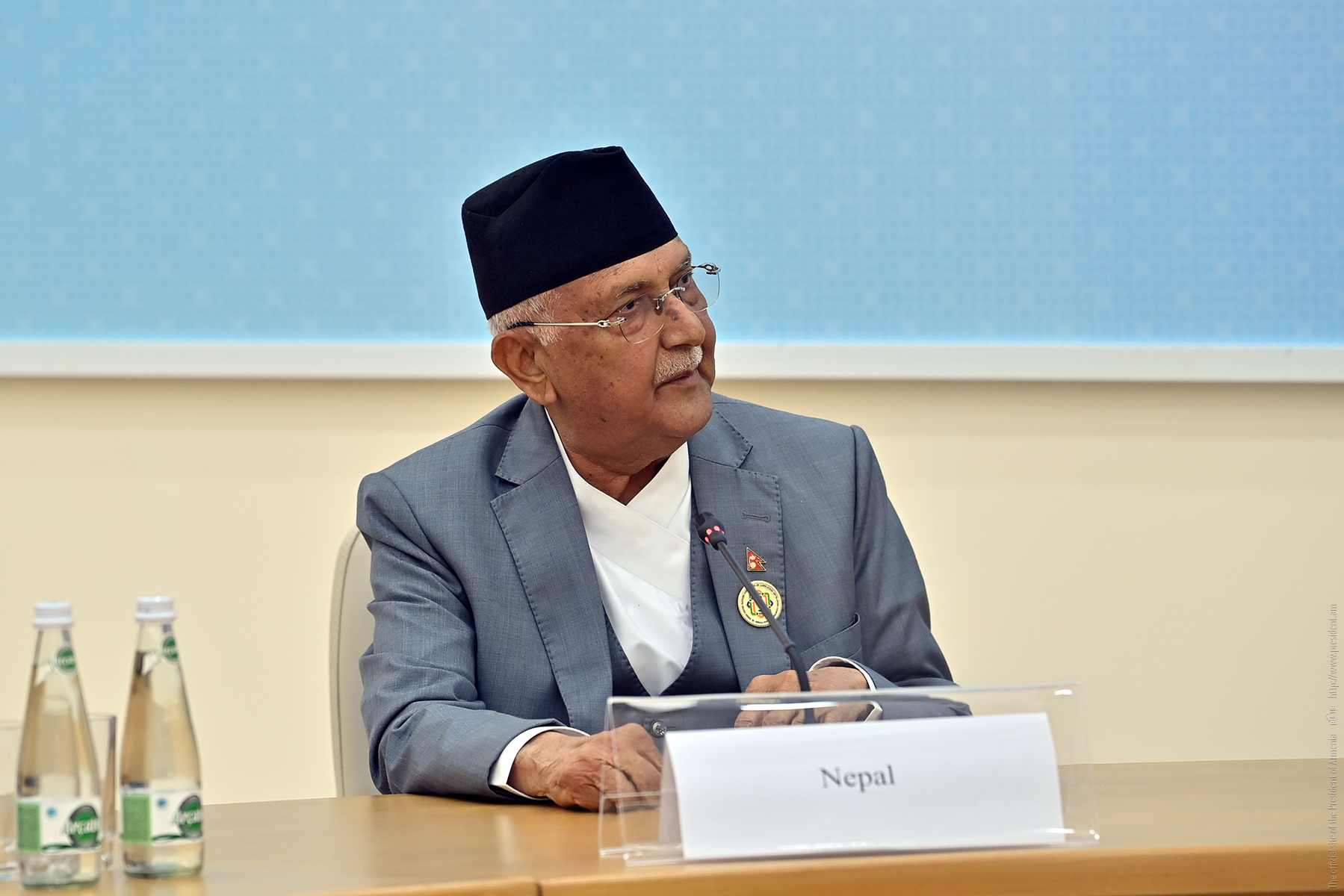
Honorable Prime Minister of Nepal,
Distinguished Minister of Transport of Tajikistan,
Distinguished panelists,
Excellences, Ladies and Gentlemen,
I am pleased to welcome you at the discussion entitled “Promotion of regional security and cooperation through enhanced trade and transport connectivity” organized by Armenia.
I thank my fellow colleagues from landlocked countries and representatives of international organizations to these deliberations.
This event is dedicated to discussing the ways to address the existing gaps to turn landlocked countries into land-linked ones and take advantage of global markets, thus contributing to a more interconnected and harmonious world for improving livelihoods of people, advancing green growth and developing human capital.
Dear guests,
We often refer to the transport connectivity as an important tool for ensuring smooth movement of cargo and people, thus enhancing trade and economic relations and connecting regions that are divided by geographical distance. However, connectivity can have a direct positive impact on regional stability, security and peace.
Historically, construction of transport communications has been aimed at projection of influence and power. Nowadays too, we may often encounter connectivity projects, anchored on geopolitical motivations, which serve to deepen dividing lines rather than promoting trade, economic prosperity and people-to-people contacts.
The realities of the modern world require global interconnectivity and cooperation at all levels. The cross-border flows of trade, services and people have become the driver of the global economy for the past several decades. A phenomenon largely known as “globalization” has significantly contributed to the growth of global economy, trade, industry and innovations, created enormous opportunities for development and deeper connectivity of countries and regions.
It is equitable and inclusive connectivity, guided by economic rationale, realization of social and economic rights and promotion of intercultural ties that can contribute to peace and security. Establishment of conducive environment and development of sustainable infrastructure for the free movement of people, goods and services are imperative in terms of realization of the economic and social rights and the right to development of all peoples and promoting inclusive regional and global connectivity.
On numerous occasions, we have reiterated our strong belief, that effective regional cooperation and well-designed and implemented transport projects may contribute to overcoming political differences and help to build the solid foundations for peace, stability and long-term inclusive growth, turning regions into prosperous transit hubs.
As a landlocked developing country Armenia recognizes the critical importance of inclusive connectivity, open borders, and fully functioning roads and transport infrastructure. In this context, earlier today I had the opportunity to present the “Crossroads of Peace” project, initiated by the Government of Armenia in my statement. This initiative is a testament to our country’s commitment to regional peace and cooperation aimed at ensuring more interconnected and harmonious world for improving livelihoods of people, advancing environmentally resilient economic growth and developing human capital.
Ladies and Gentlemen
Historically, Armenia has always been at the crossroads connecting the North to the South and the West to the East, with all the political, trade and cultural features arising from this. The Silk Road passing through our country was not just about trade: it was a cultural phenomenon bringing people together and promoting intercultural dialogue.
Today as well, our country, due to its favorable geographical location and following its historical legacy, can promote the economic exchanges, people-to-people contacts and cultural ties between Asia and Europe. We are convinced that unblocking of all trade and transport communications in South Caucasus will open up new opportunities for the movement of cargo, goods and citizens, therefore becoming a cornerstone of security, stability and prosperity in the region and beyond.
I thank you and wish everyone very fruitful discussions.”
***
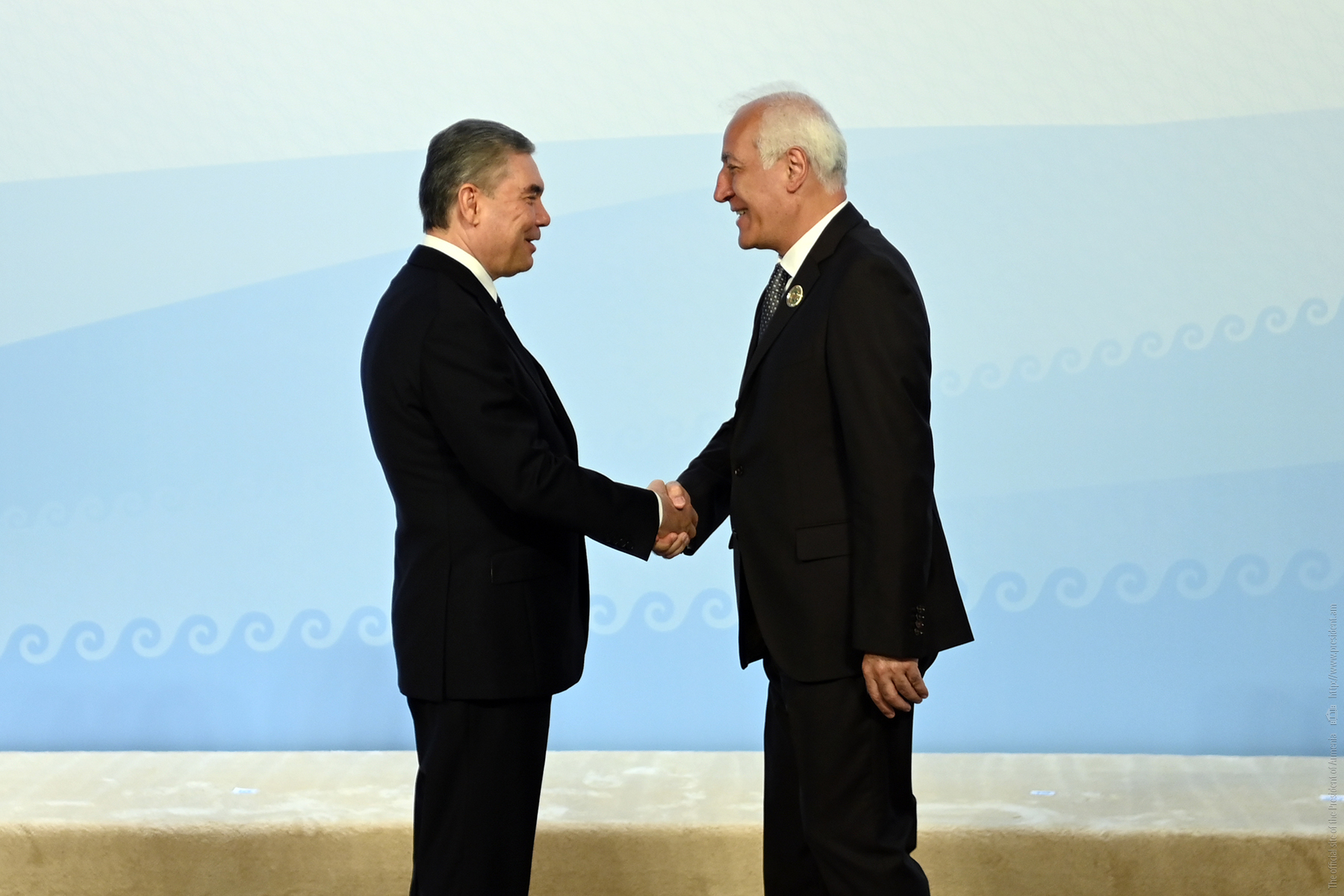
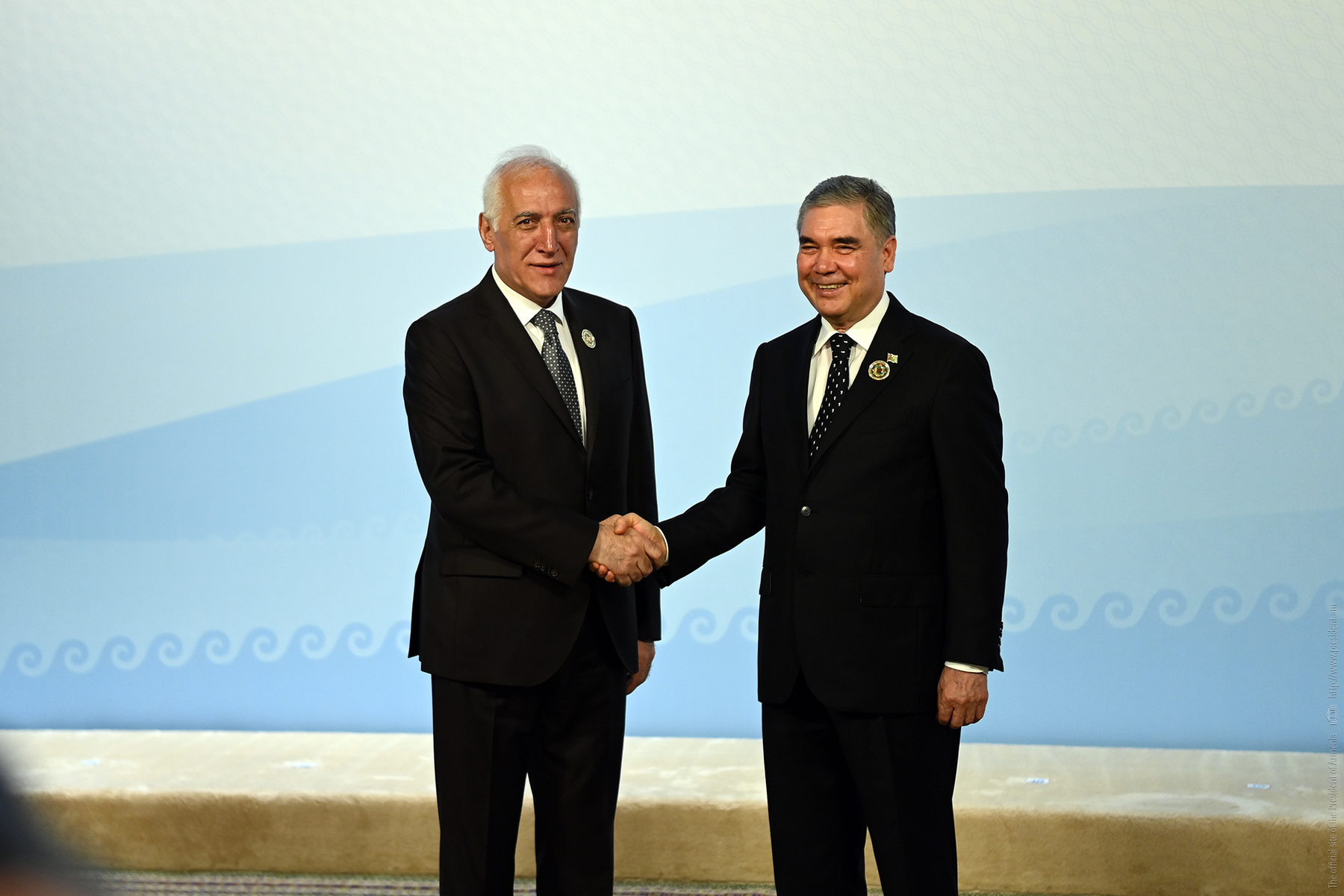
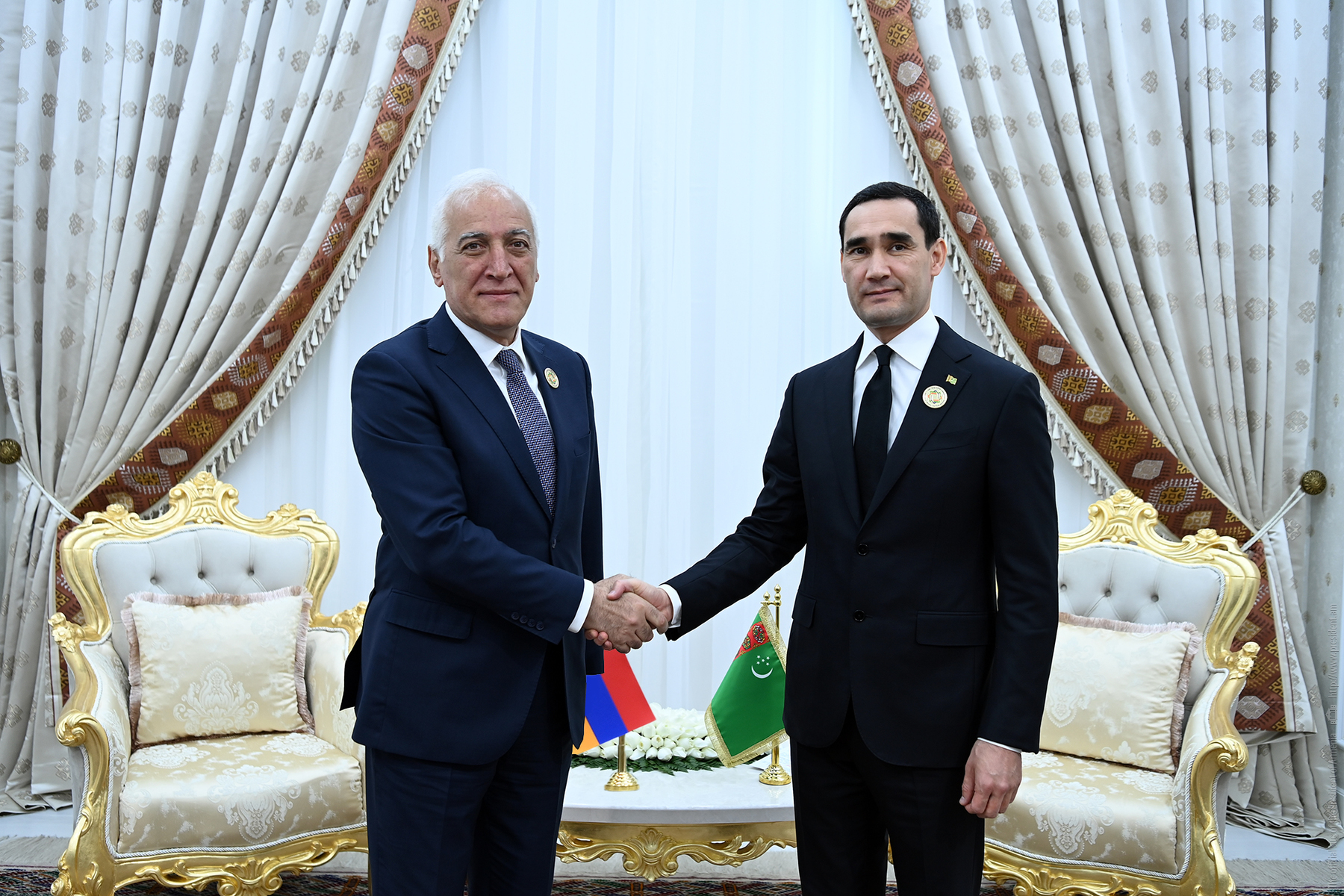
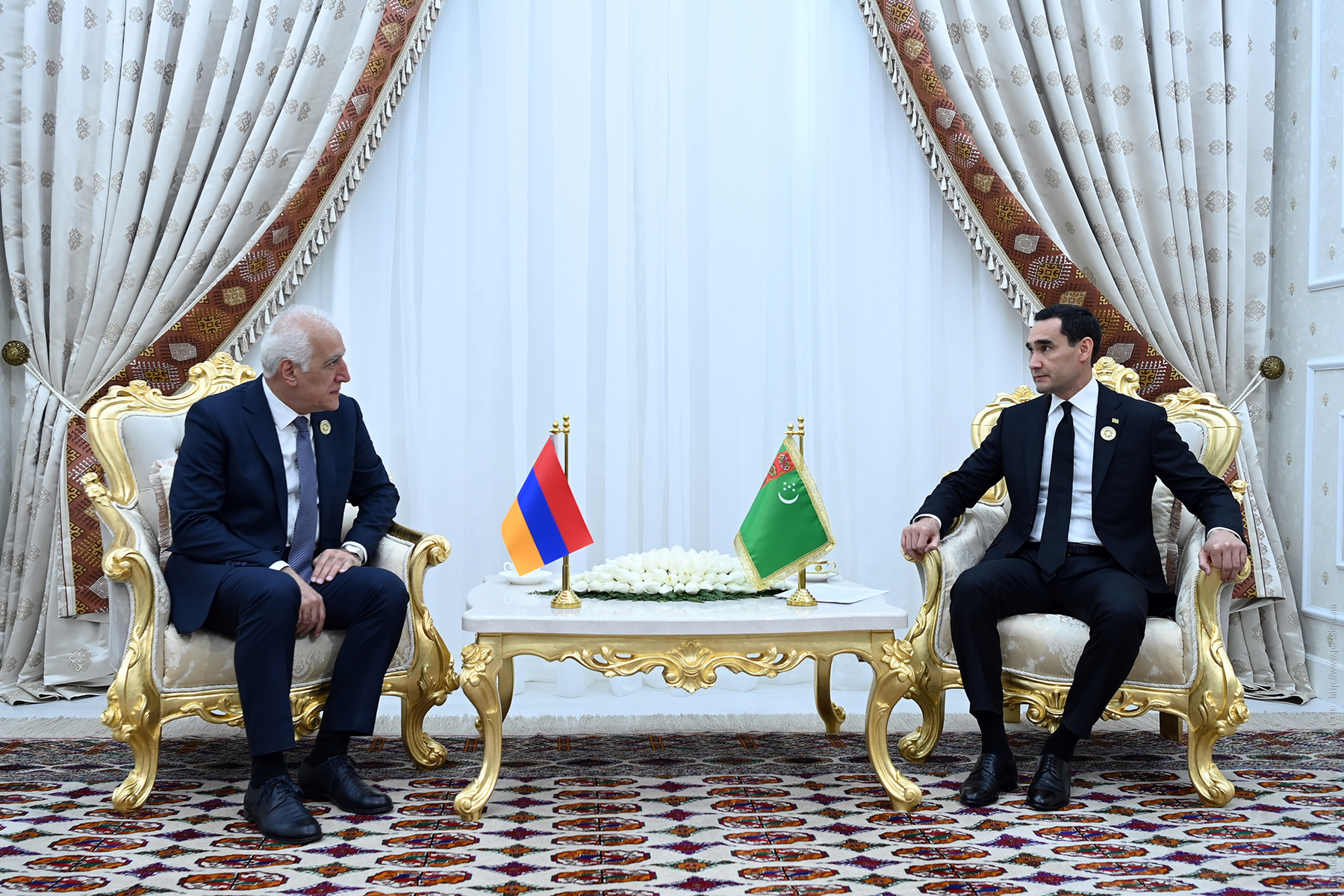
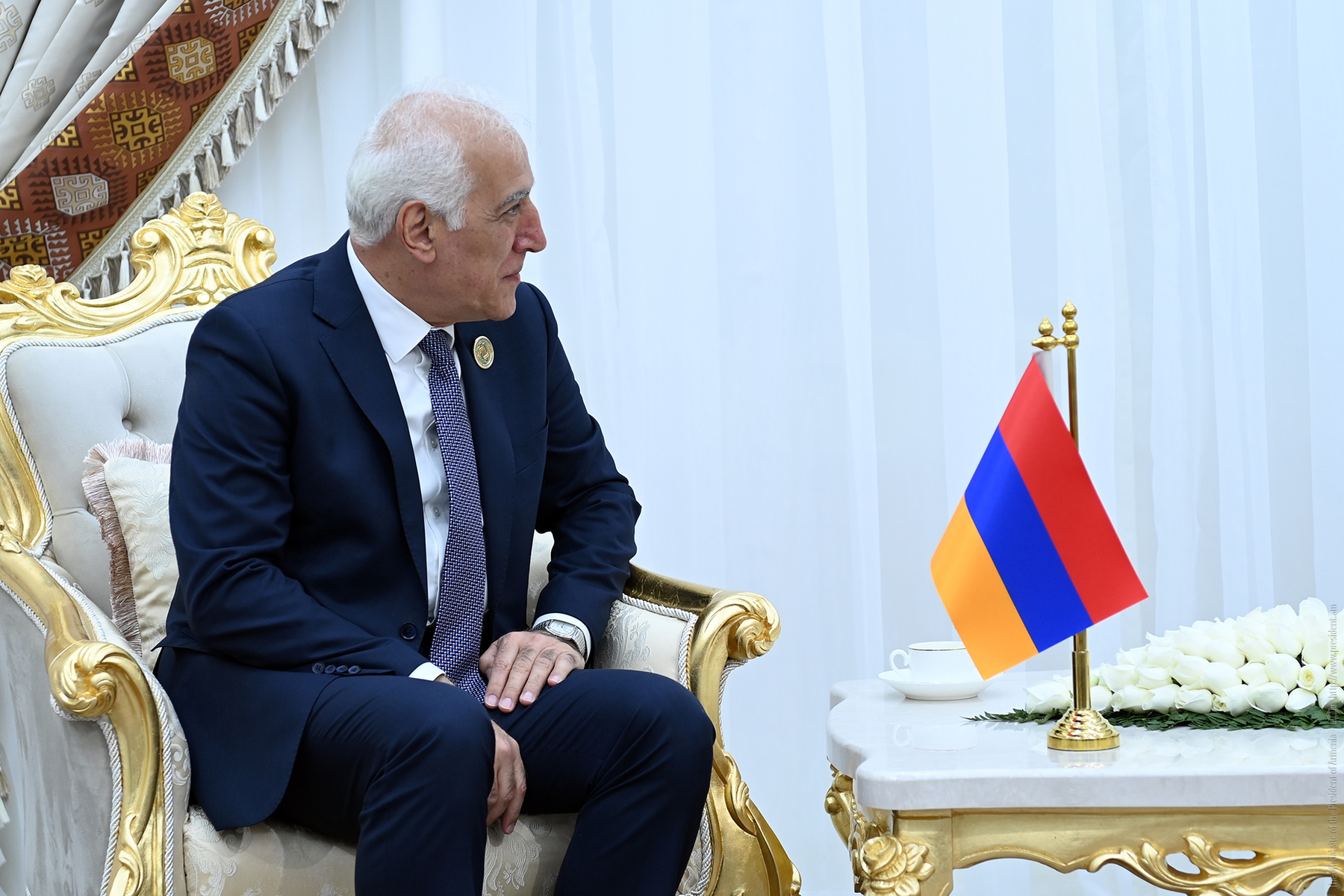
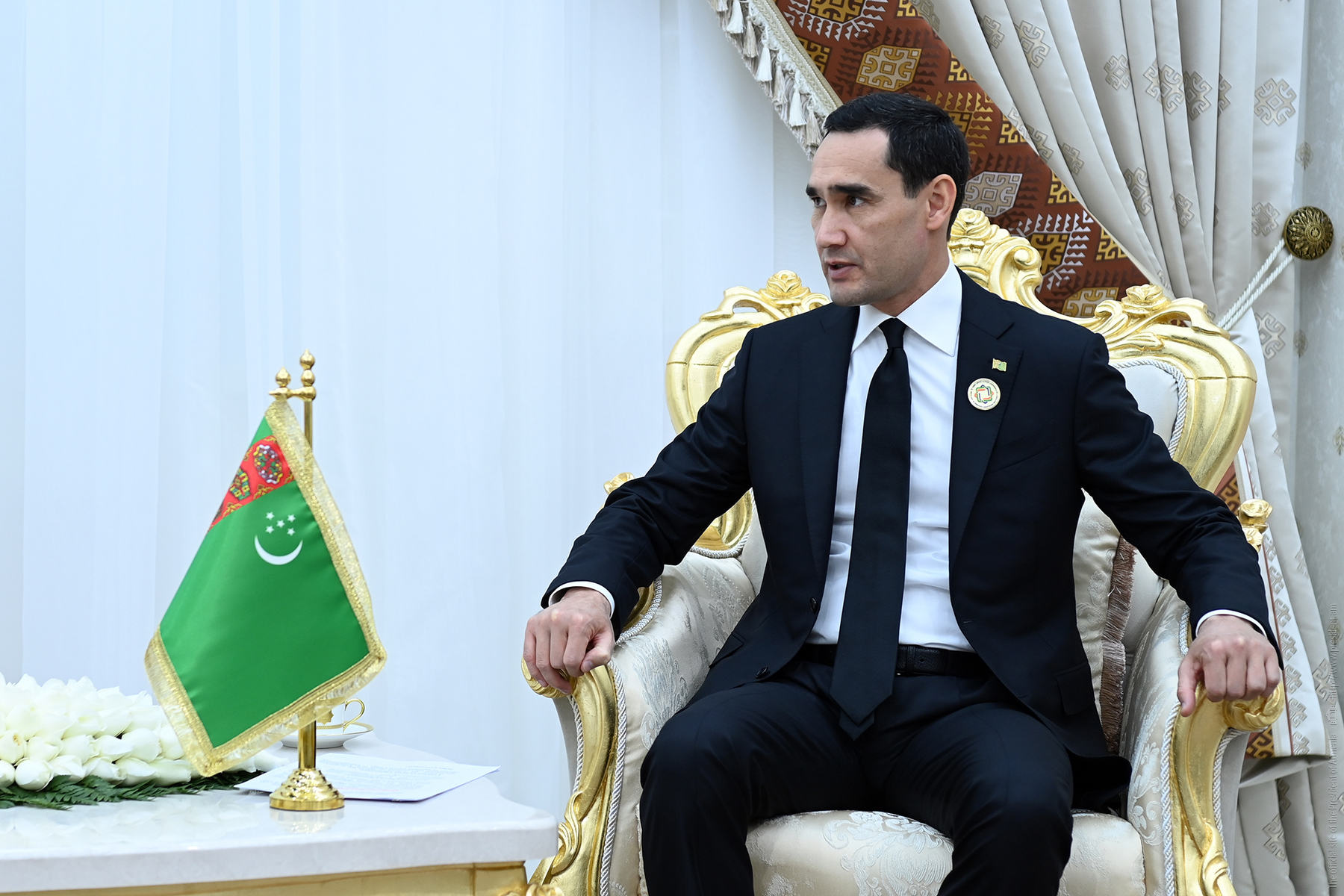
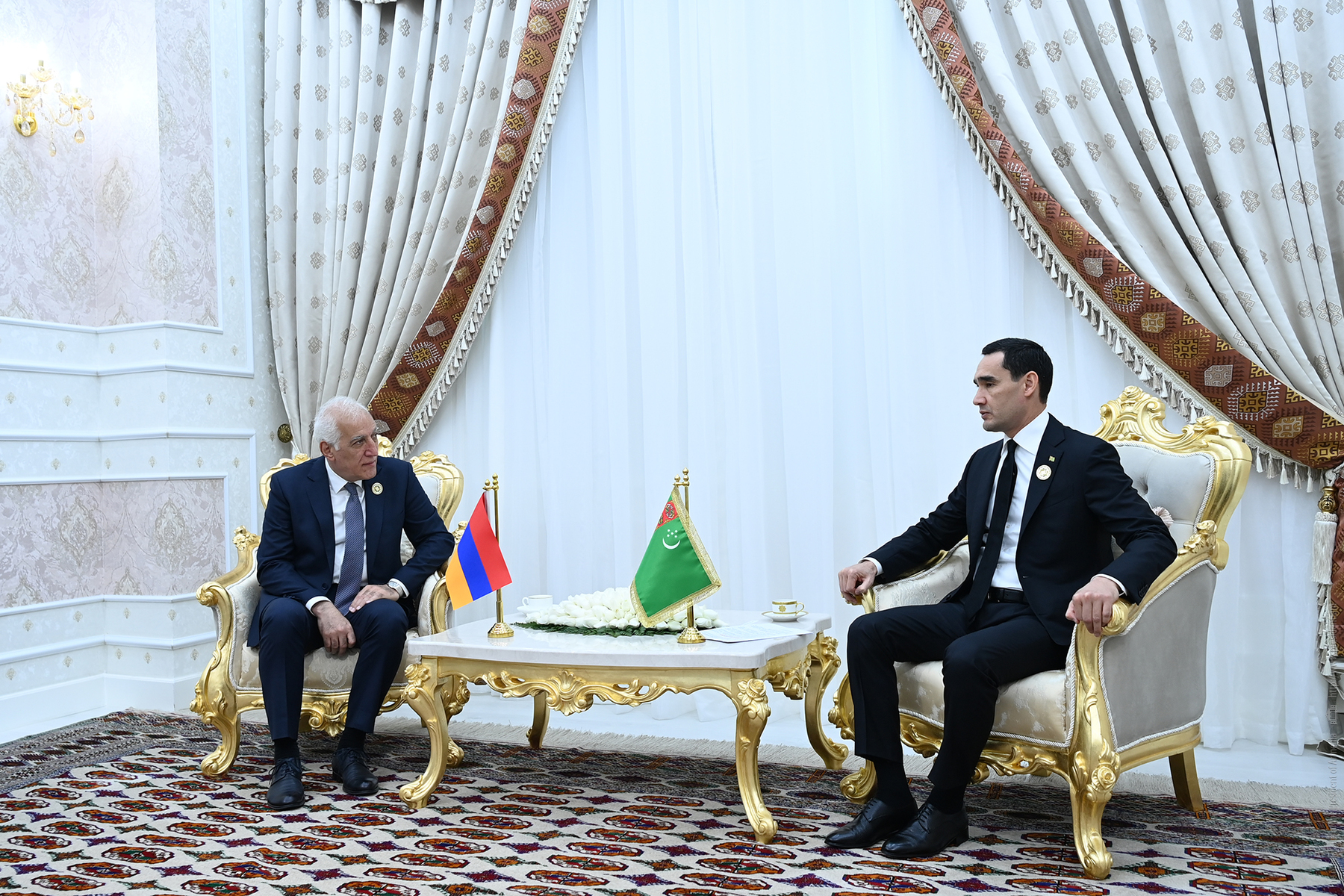
During his working visit to Turkmenbashi, Turkmenistan, President Vahagn Khachaturyan met with President of Turkmenistan Serdar Berdimuhamedov.
Welcoming the President of the Republic, Serdar Berdimuhamedov expressed his gratitude for visiting Turkmenistan and participating in the Third United Nations Conference on Landlocked Developing Countries.
In turn, President Khachaturyan thanked the President of Turkmenistan for the invitation and for the high-level organization and conduct of the event.
During the meeting, the sides discussed issues related to the further development of bilateral relations.
***
During his working visit to Turkmenbashi in Turkmenistan, President Vahagn Khachaturyan visited the Turkmenbashi Oil processing complex. He familiarized himself with the operations of the plant, from oil extraction to the production of final products, as well as its production capacity, and expressed interest in potential avenues for cooperation.
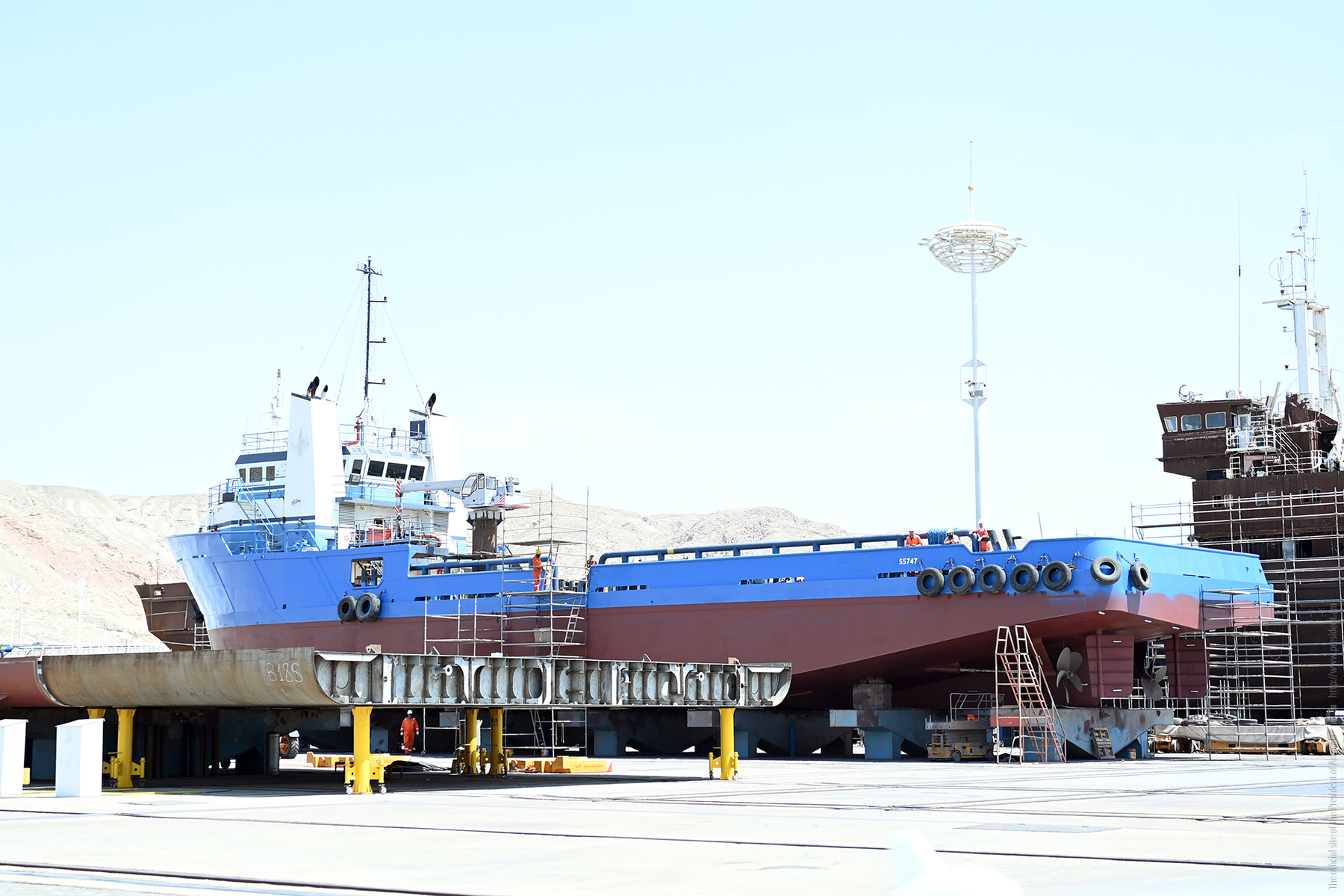
The President then toured the Turkmenbashi International Seaport, where he was briefed on the port’s operations, as well as the shipbuilding and repair activities taking place at the port.
***
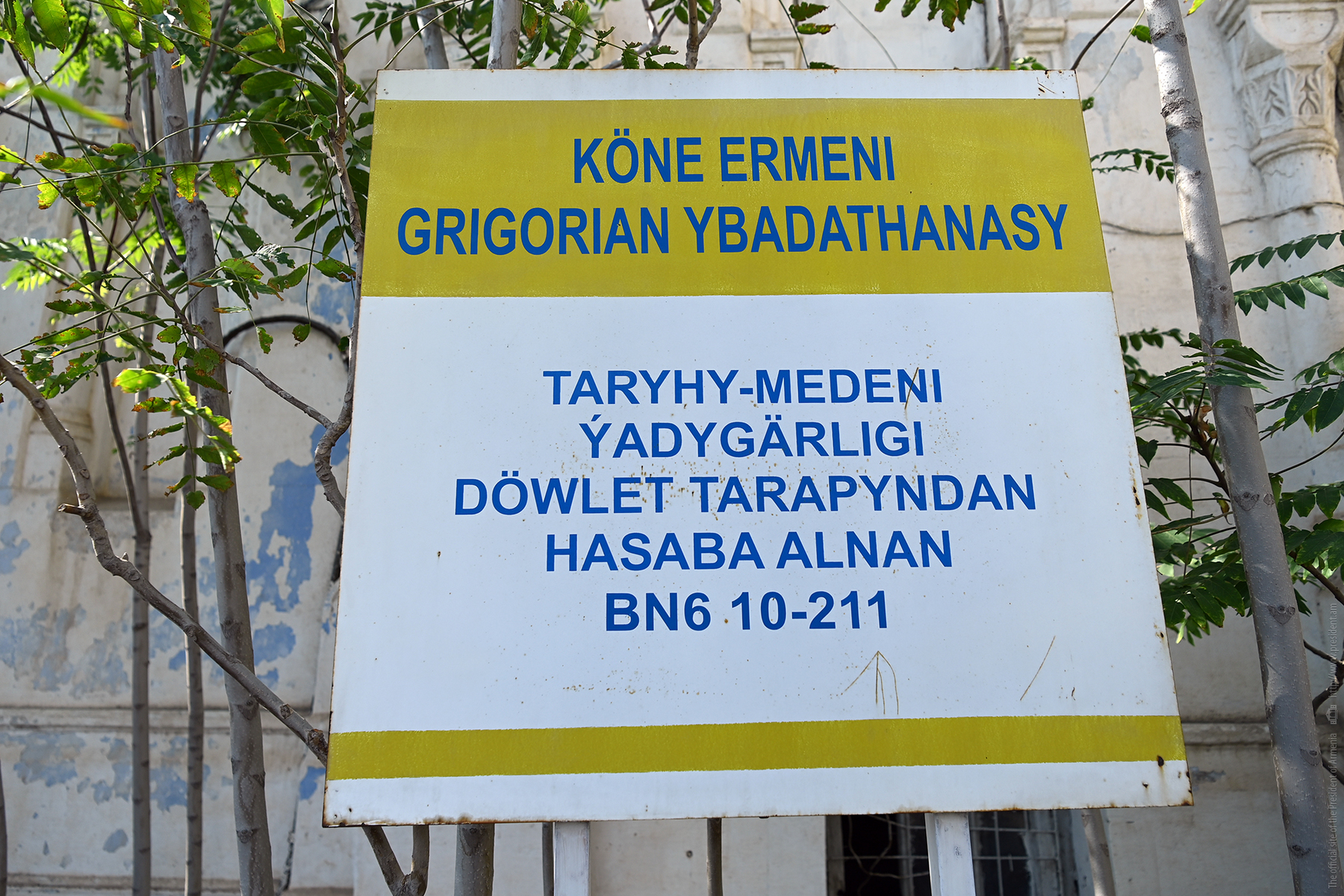
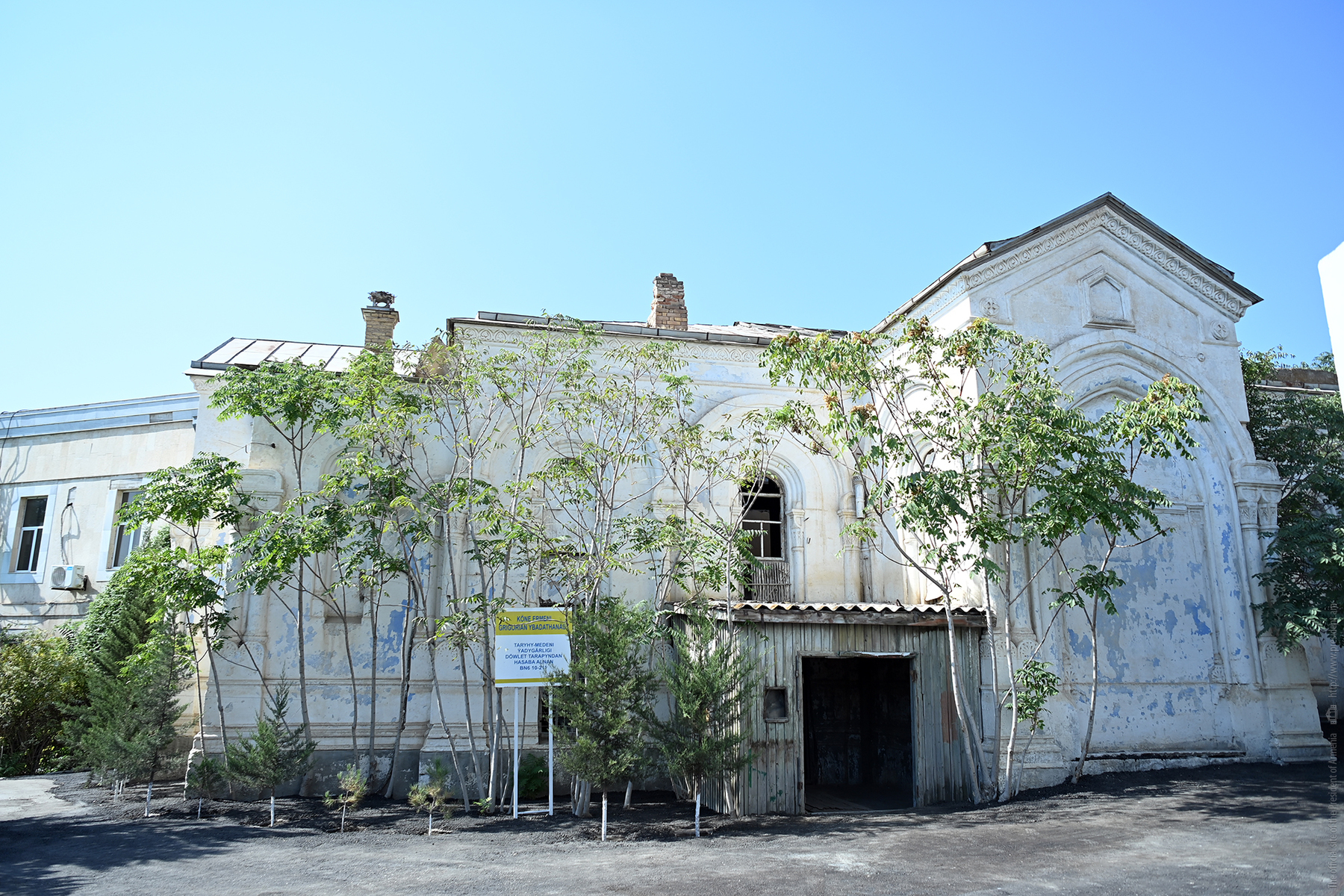
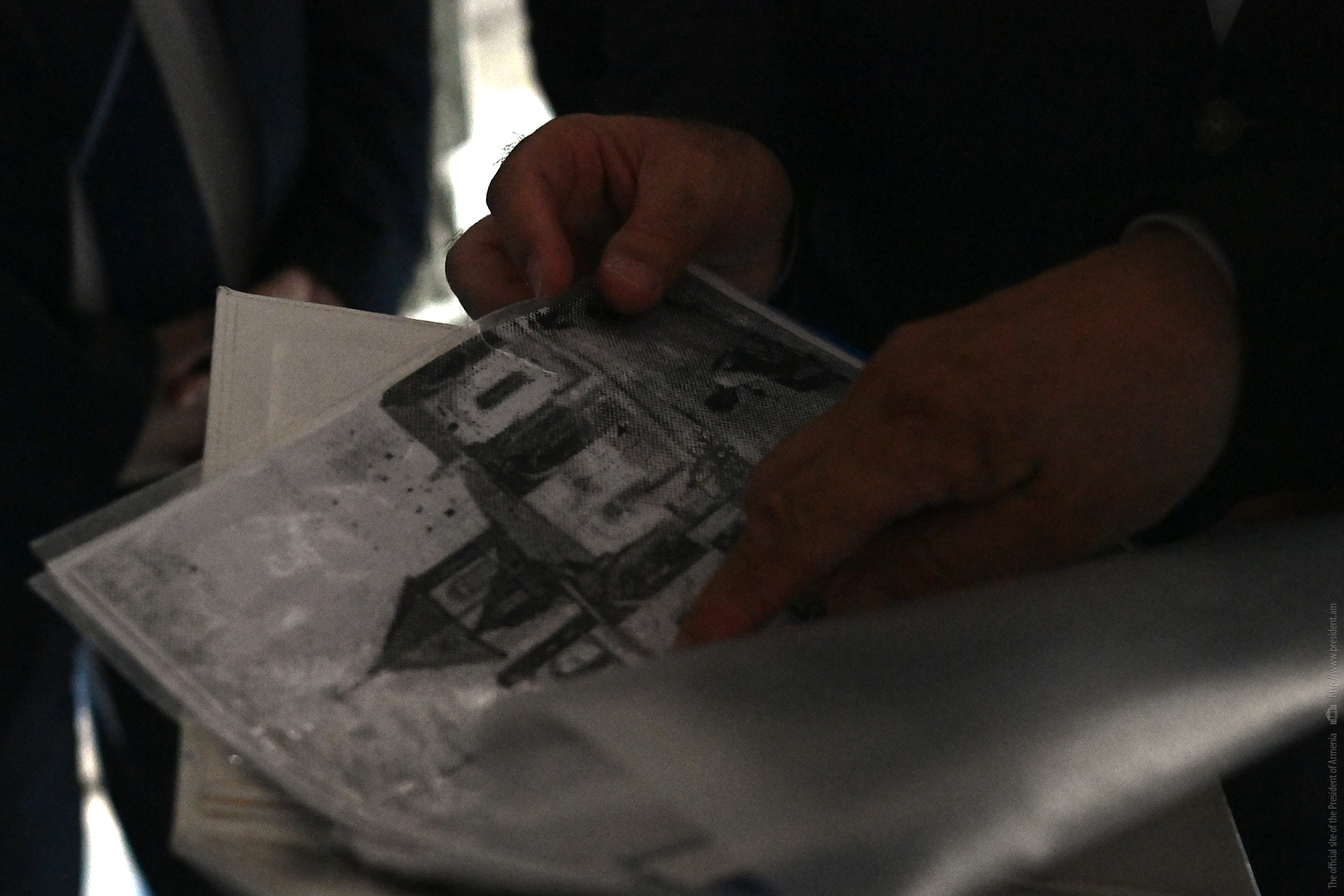
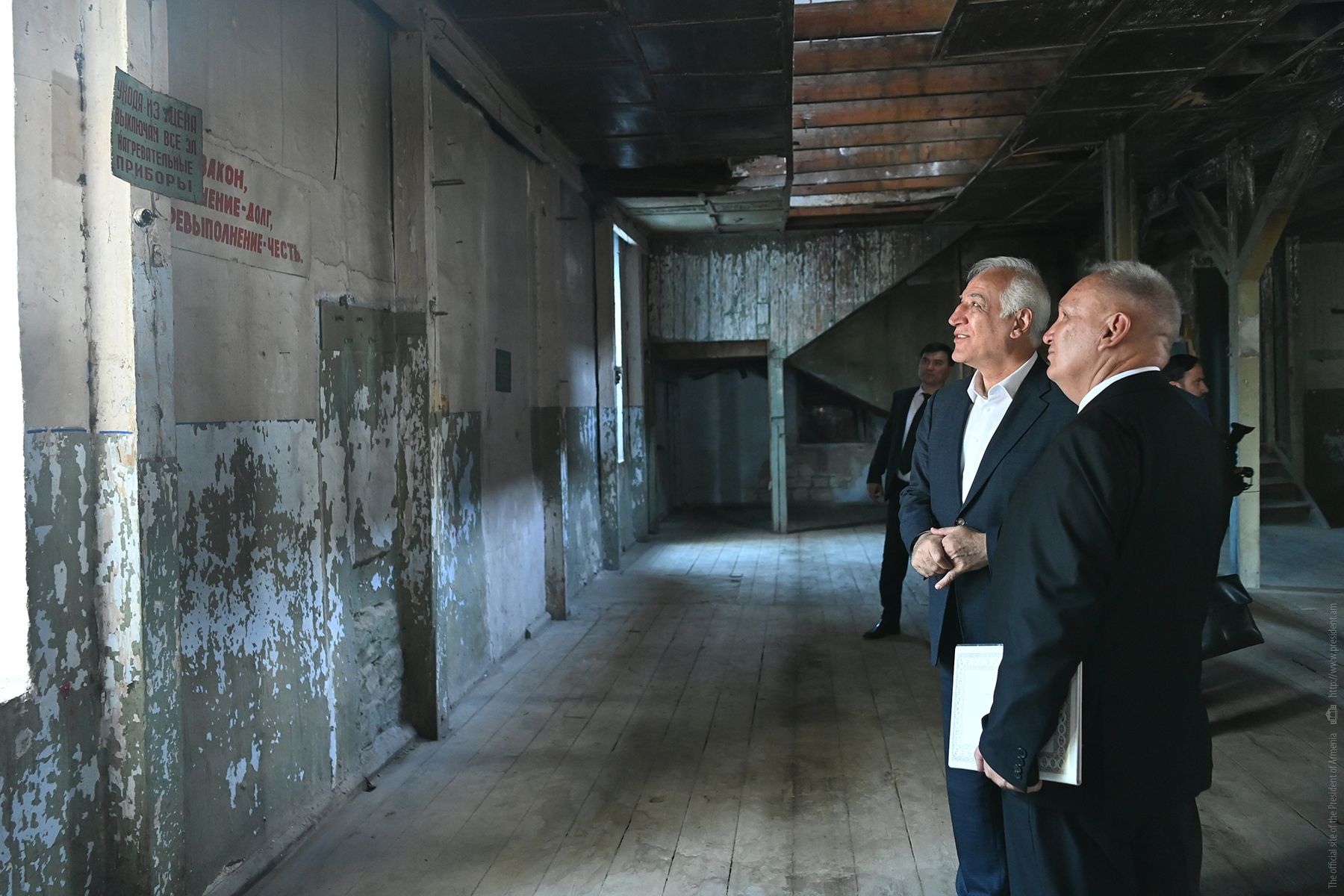
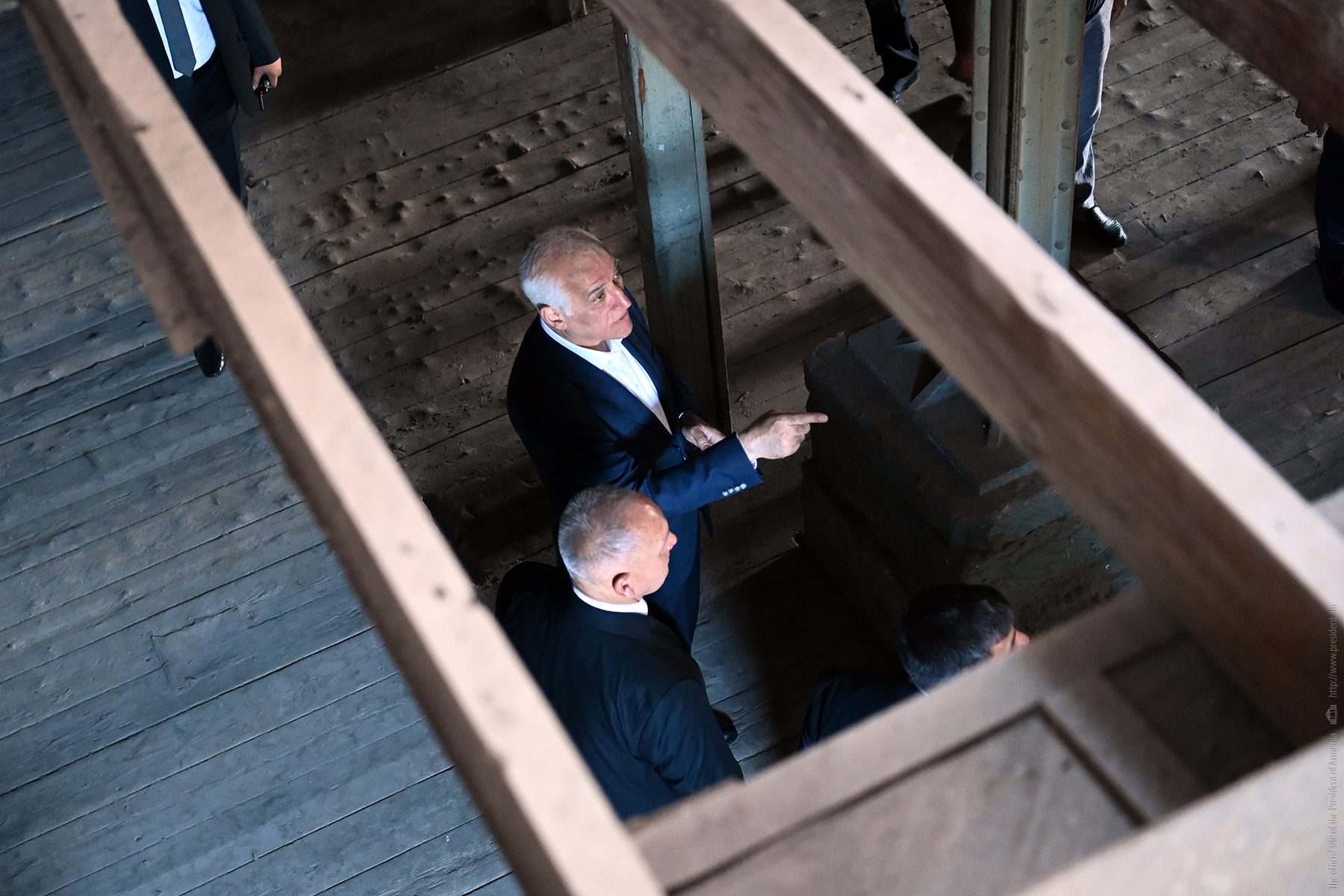
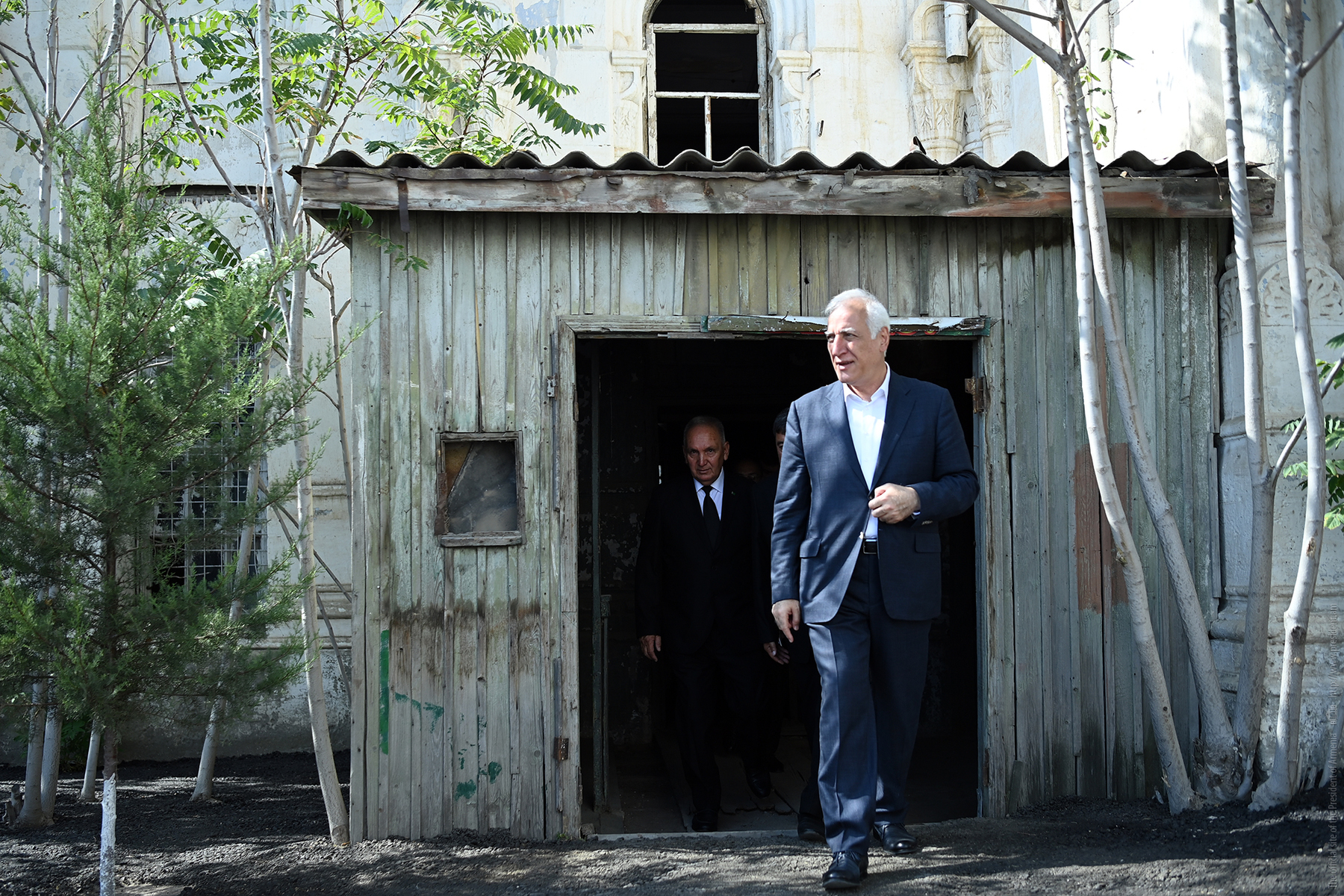
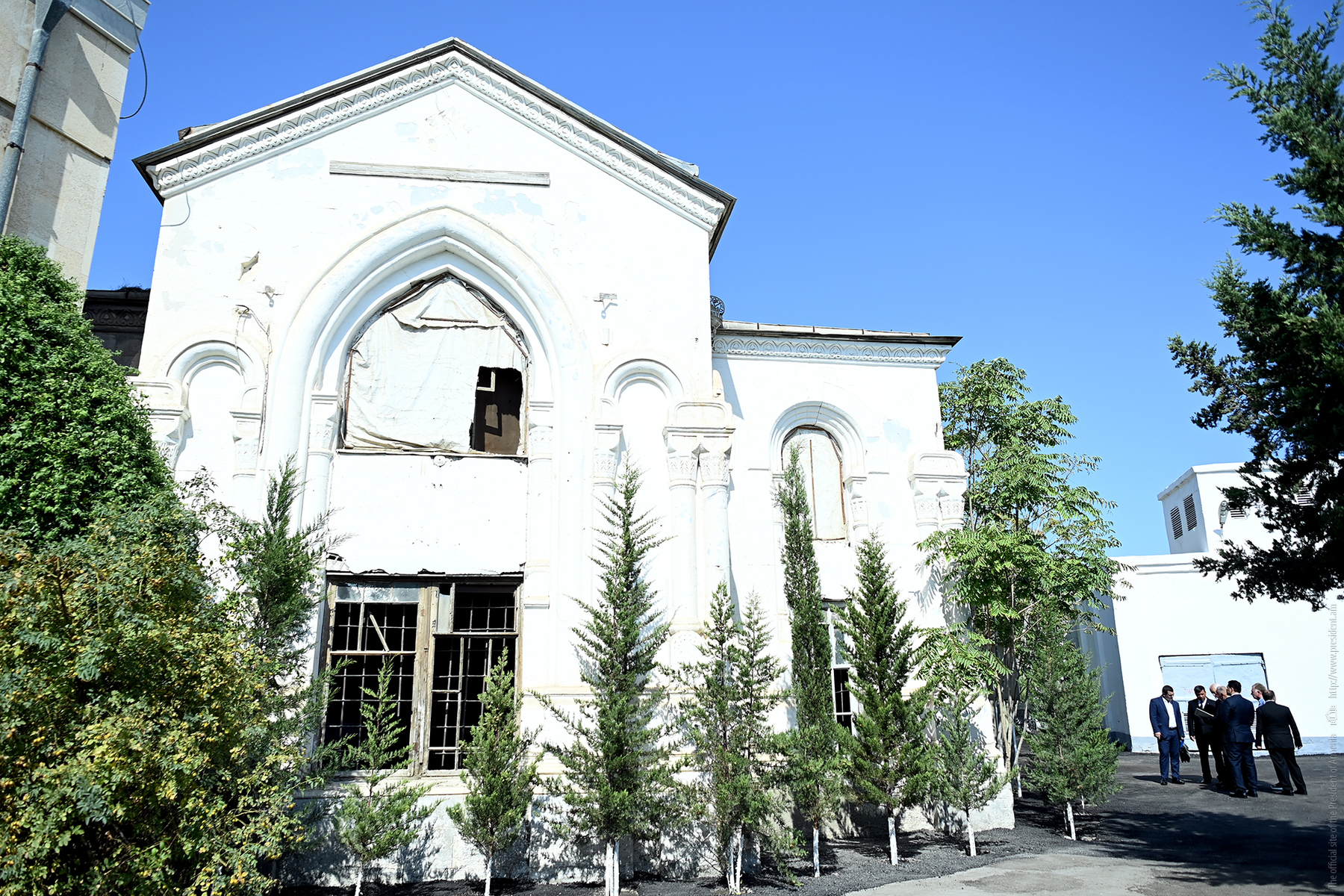
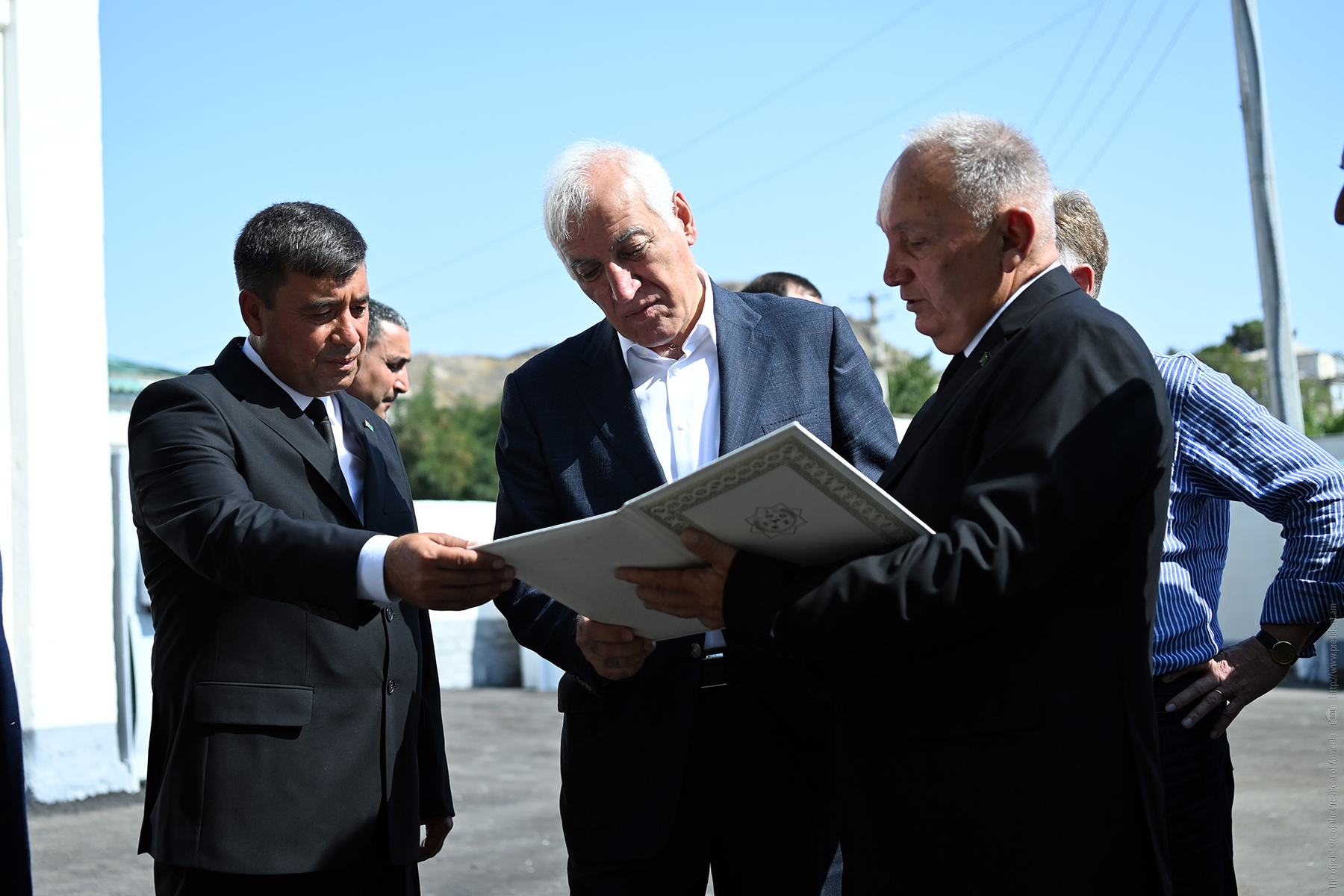
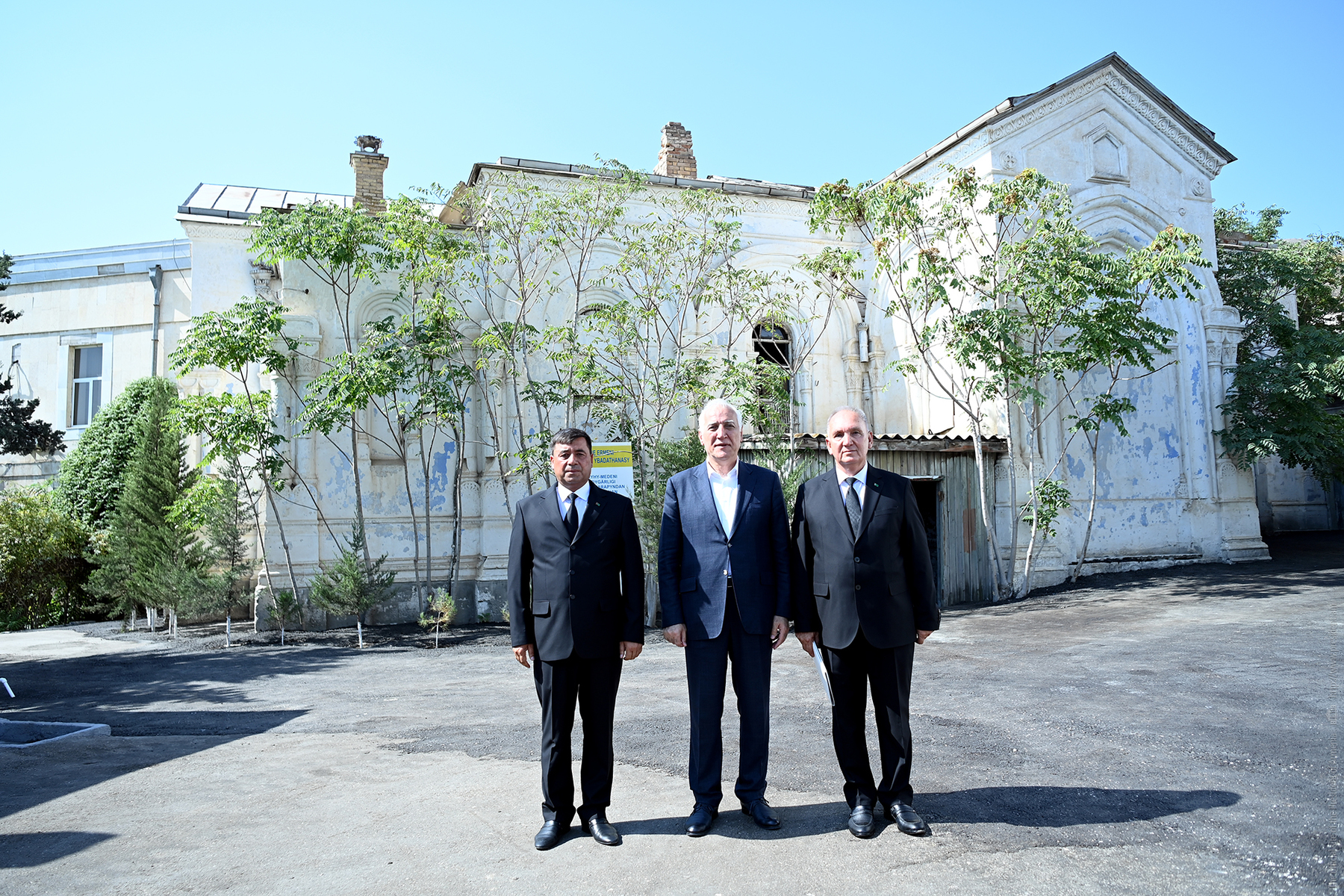
During his working visit to Turkmenbashi, Turkmenistan, President Vahagn Khachaturyan visited an Armenian church in ruins.
The church was consecrated in 1905, however, in the early 1920s, Soviet authorities dismantled its dome and later converted the building into an industrial facility.
In recent years, Turkmen authorities have taken certain steps toward the preservation of the church and the improvement of the surrounding area.
They have also expressed their willingness to fully restore the Armenian church.
President Khachaturyan’s working visit to Turkmenistan has concluded.